 ZoomPhoto 1 of 1
Qualcomm
Qualcomm Snapdragon 8 Gen 1
- AnTuTu 12
- 1,301,568Top 49%
- Cores
- 8
- Process
- 4 nm
- GPU
- Adreno 730
Below average
#52 of 211 mobile chipsetsNewer model: Qualcomm Snapdragon 8 Gen 2 (2022) · compare →
Previous model: Qualcomm Snapdragon 888 (2020) · compare →
Qualcomm's Armv9 debut paired a 3.0 GHz Cortex-X2 with a big Adreno 730 jump — and a Samsung 4nm process that throttled hard enough to spawn a TSMC-built Plus within six months. Fast in bursts, infamous under sustained load.
Compare with
Closest equivalents from other brands (by Inno Score):
Same generation:
Pros
- First Armv9 Snapdragon
- Large Adreno 730 GPU uplift
- 10 Gbps X65 modem
- 8K HDR video capture
Cons
- Severe throttling on Samsung 4nm
- Efficiency far behind TSMC-built rivals
- Replaced by the Plus within six months
Qualcomm Snapdragon 8 Gen 1 benchmarks
Published results for the Qualcomm Snapdragon 8 Gen 1, next to its closest rivals and its predecessor
AnTuTu 12
- Qualcomm Snapdragon 8 Gen 2 vs 1,861,008
- Qualcomm Snapdragon 8+ Gen 1 vs 1,638,399
- Samsung Exynos 2200 vs 1,544,095
- Qualcomm Snapdragon 8 Gen 11,301,568 Top 49%
- Qualcomm Snapdragon 888 vs 1,152,346
AnTuTu 12 totals from AnTuTu's V12 ranking (September 2026 edition); a chip's total is the median of its devices' rows. What's a good AnTuTu score?
Geekbench 6 (single)
- Qualcomm Snapdragon 8 Gen 21,998
- Qualcomm Snapdragon 8+ Gen 11,735
- MediaTek Dimensity 9000 vs 1,663
- Samsung Exynos 22001,601
- Huawei Kirin 9030 Pro vs 1,558
- Qualcomm Snapdragon 8 Gen 11,552 Top 28%
- Qualcomm Snapdragon 8881,480
Published results: review runs where we found them, otherwise typical published figures. A chip's figure is normally the median of review runs on devices with that chip.
Geekbench 6 (multi)
- Huawei Kirin 9030 Pro5,869
- Qualcomm Snapdragon 8 Gen 25,365
- Qualcomm Snapdragon 8+ Gen 14,493
- MediaTek Dimensity 90004,482
- Qualcomm Snapdragon 8 Gen 14,015 Top 35%
- Samsung Exynos 22003,938
- Qualcomm Snapdragon 8883,595
Published results: review runs where we found them, otherwise typical published figures. A chip's figure is normally the median of review runs on devices with that chip.
3DMark Wild Life Extreme
- Qualcomm Snapdragon 8 Gen 23,662
- Huawei Kirin 9030 Pro3,234
- Qualcomm Snapdragon 8+ Gen 12,774
- Qualcomm Snapdragon 8 Gen 12,502 Top 23%
- MediaTek Dimensity 90002,343
- Samsung Exynos 22001,946
- Qualcomm Snapdragon 8881,491
Published 3DMark results (Wild Life Extreme for chips, the Time Spy Graphics score for graphics cards): review runs where we found them, otherwise typical published figures.
Qualcomm Snapdragon 8 Gen 1 vs Qualcomm Snapdragon 888: what changed
The biggest differences from the Qualcomm Snapdragon 888, the previous generation, in our spec and benchmark data.
| Spec | Qualcomm Snapdragon 888 | Qualcomm Snapdragon 8 Gen 1 |
|---|---|---|
| 3DMark Wild Life Extreme | 1,491 | 2,502 |
| AnTuTu 12 | 1,152,346 | 1,301,568 |
| Geekbench 6 (multi) | 3,595 | 4,015 |
| Geekbench 6 (single) | 1,480 | 1,552 |
| Max download | 7.5 Gbps | 10 Gbps |
| Process | 5 nm | 4 nm |
Full comparison: Qualcomm Snapdragon 8 Gen 1 vs Qualcomm Snapdragon 888 →
Qualcomm Snapdragon 8 Gen 1 specs
Everything we track for the Qualcomm Snapdragon 8 Gen 1
General
- Announced
- 2021
- Process
- 4 nm
- Architecture
- Armv9
CPU
- Cores
- 8
- Core configuration
- 1x3.0 GHz Cortex-X2 + 3x2.5 GHz Cortex-A710 + 4x1.8 GHz Cortex-A510
- Max clock
- 3 GHz
GPU
- GPU
- Adreno 730
- GPU clock
- 818 MHz
AI
- NPU
- Hexagon NPU
Memory
- Memory type
- LPDDR5-6400
- Max bandwidth
- 51.2 GB/s
Connectivity
- Modem
- Snapdragon X65 5G
- Max download
- 10 Gbps
- Wi-Fi
- Wi-Fi 6E
- Bluetooth
- 5.2
Media
- Max display
- 4K @ 60Hz / QHD+ @ 144Hz
- Video capture
- 8K@30fps
Benchmarks
- AnTuTu 12
- 1,301,568Top 49%#32 of 66
- Geekbench 6 (single)
- 1,552Top 28%
- Geekbench 6 (multi)
- 4,015Top 35%#64 of 186
- 3DMark Wild Life Extreme
- 2,502Top 23%
Page last updated Nov 22, 2026.
Devices with the Qualcomm Snapdragon 8 Gen 1
7 devices in our catalog use this chip



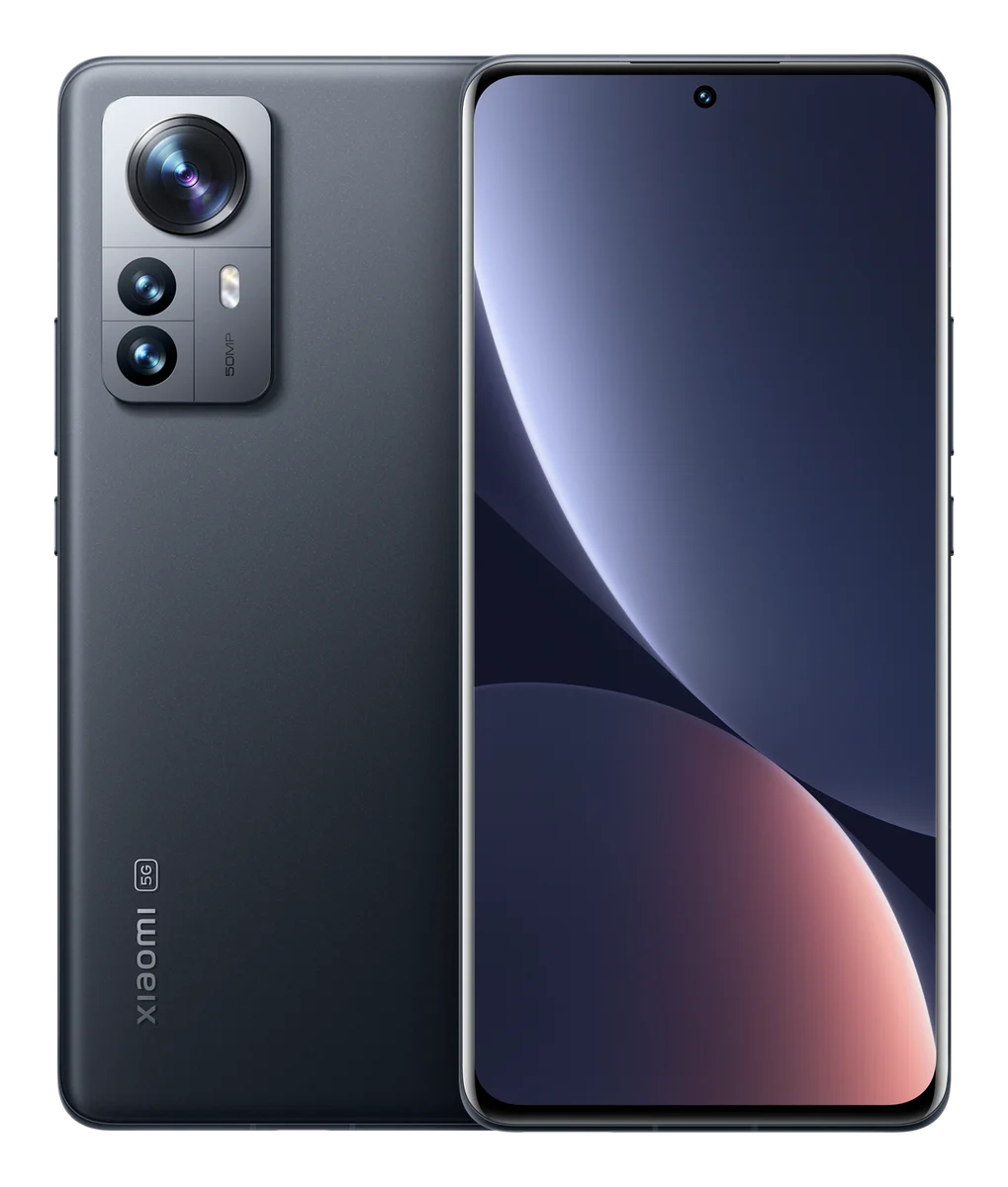
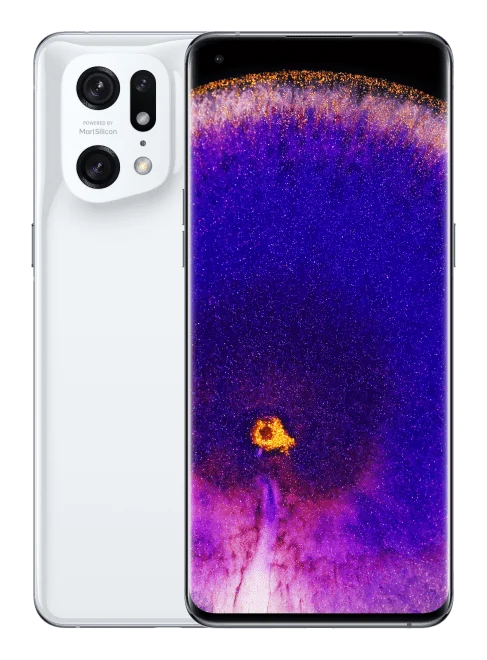
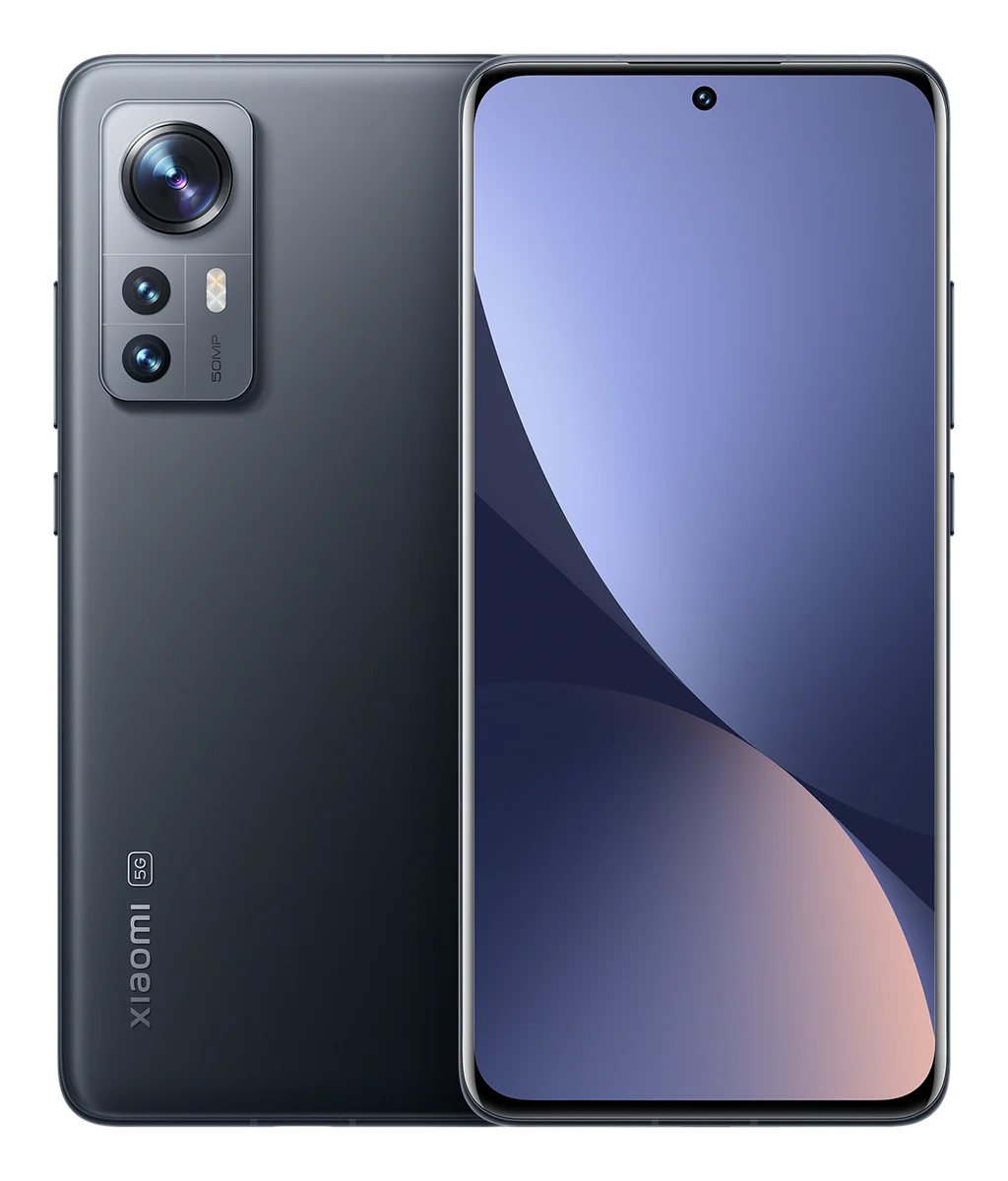
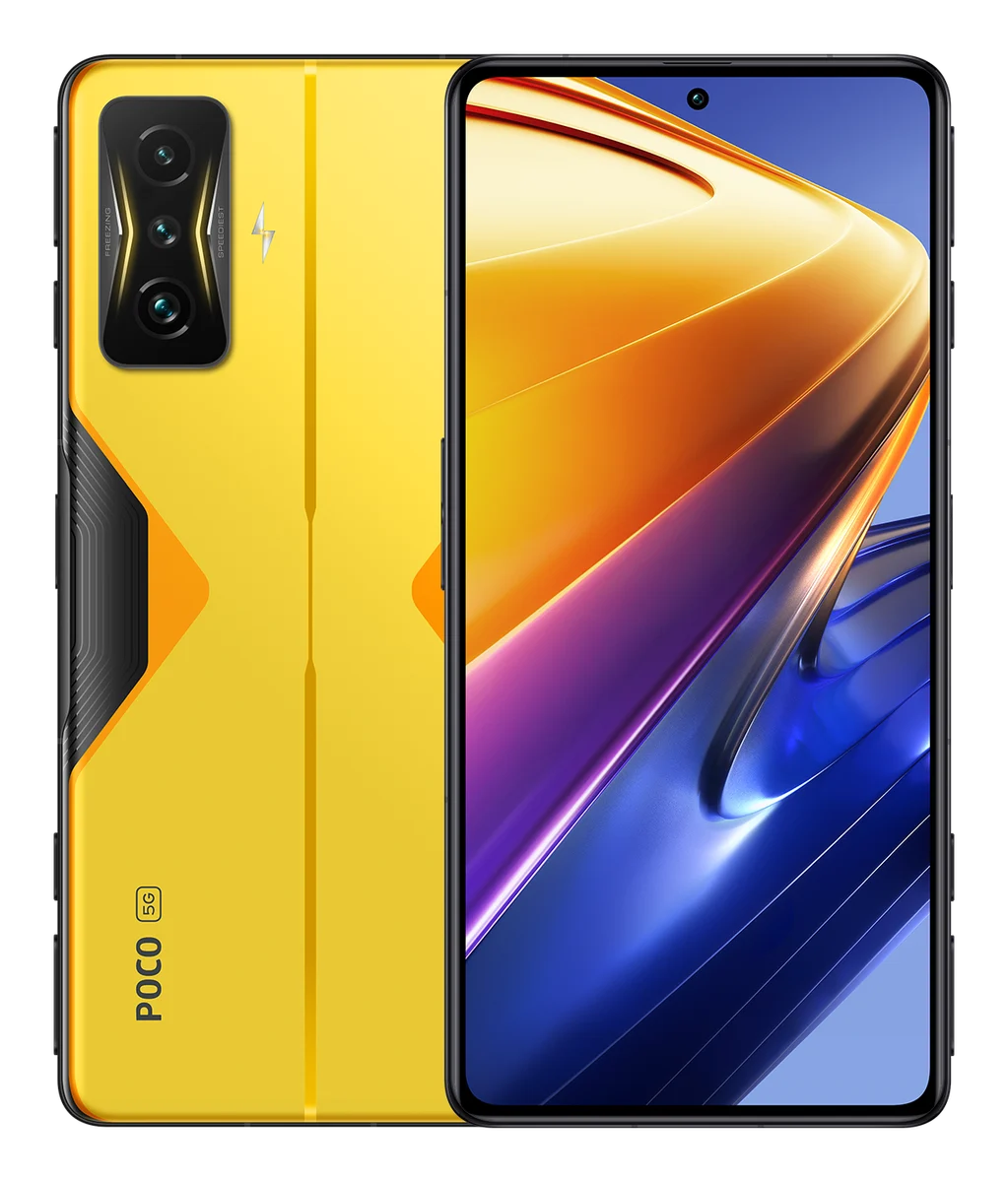
Qualcomm Snapdragon 8 Gen 1: fastest devices by their own results
Only results published for each device itself, sorted by the benchmark most of them have. AnTuTu 11 and AnTuTu 12 use different scales and are kept in separate columns.
| # | Device | AnTuTu 12 | Geekbench 6 multi | Geekbench 6 single | Inno Score |
|---|---|---|---|---|---|
| 1 | Galaxy Tab S8 Ultra | 1,404,514 | 4,350 | 1,680 | 60.8 |
| 2 | Xiaomi 12 | 1,361,131 | — | — | 50.6 |
| 3 | Galaxy Tab S8 | 1,310,917 | — | — | 60.3 |
Qualcomm Snapdragon 8 Gen 1 FAQ
Is the Qualcomm Snapdragon 8 Gen 1 good in 2026?
The Qualcomm Snapdragon 8 Gen 1 earns an Inno Score of 48.9/100 (“Below average”), #52 of 211 mobile chipsets. Its successor, the Qualcomm Snapdragon 8 Gen 2, came out in 2022 and scores 55.5. Qualcomm's Armv9 debut paired a 3.0 GHz Cortex-X2 with a big Adreno 730 jump — and a Samsung 4nm process that throttled hard enough to spawn a TSMC-built Plus within six months. Fast in bursts, infamous under sustained load.
What is the Qualcomm Snapdragon 8 Gen 1 AnTuTu score?
The Qualcomm Snapdragon 8 Gen 1 scores 1,301,568 points in AnTuTu 12. That puts it in the top 49% of the 66 AnTuTu 12 results from AnTuTu's ranking in this category in our database. In Geekbench 6 it reaches 1,552 single-core and 4,015 multi-core.
Which devices use the Qualcomm Snapdragon 8 Gen 1?
7 devices in our catalog use the Qualcomm Snapdragon 8 Gen 1: Galaxy Tab S8+, Galaxy Tab S8 Ultra, Galaxy Tab S8, Xiaomi 12 Pro, OPPO Find X5 Pro, and more.
What are the key specs of the Qualcomm Snapdragon 8 Gen 1?
Cores: 8 · Process: 4 nm · GPU: Adreno 730
What are the closest alternatives to the Qualcomm Snapdragon 8 Gen 1?
Its closest rivals on InnoReviews are Qualcomm Snapdragon 888, Qualcomm Snapdragon 8 Gen 2, Qualcomm Snapdragon 8+ Gen 1 — open the comparison pages for a spec-by-spec breakdown.
Which device with the Qualcomm Snapdragon 8 Gen 1 is fastest?
Among the 3 devices with the Qualcomm Snapdragon 8 Gen 1 that have their own published results, the Galaxy Tab S8 Ultra leads with 1,404,514 in AnTuTu 12. Devices with the same chip still differ through cooling, memory and power limits.
Use this on your site or forum
Copy a ready-made link. Scores on this page update as new results are published, so the link always leads to the current figures.