How to Choose the Perfect Phone: 2026 Buying Guide
Buying a smartphone comes down to matching silicon longevity, display quality, and camera hardware to your actual budget. Here is how to cut through marketing hype.
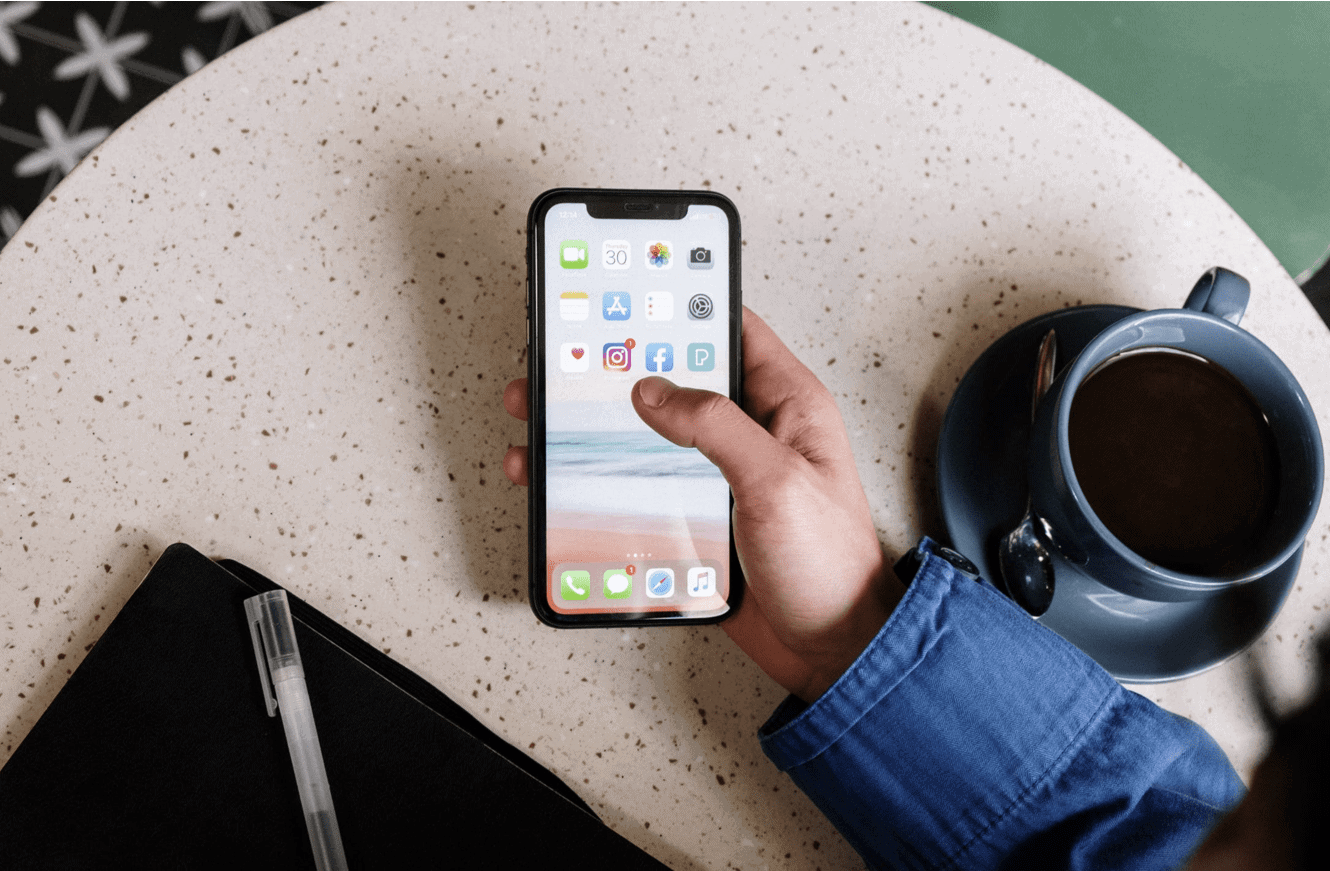
You don't need a $1,200 flagship to get a snappy display, all-day battery life, and pro-grade cameras. The mid-range market has swallowed most top-tier features, while diminishing returns have hit the ultra-premium bracket hard.
Choosing the right phone means ignoring megapixel counts and marketing fluff, focusing instead on three core anchors: software support lifespan, processor efficiency, and display panel quality.
Quick Picks for 2026
- Best Flagship Overall: Apple iPhone 16 Pro / Samsung Galaxy S24 Ultra (Longest software life, top-tier video and zoom).
- Best Value Mid-Ranger ($450–$600): Google Pixel 8a or OnePlus 12R (Flagship-grade main cameras and class-leading displays for half the price).
- Best Sub-$350 Budget Buy: CMF Phone 1 by Nothing or Samsung Galaxy A35 (Clean software, solid 120Hz OLED panels, reliable battery).
The Operating System: Ecosystem Lock-In vs. Freedom
The choice between iOS and Android is rarely about interface polish anymore; it is about your existing hardware stack. If your desk has an iPad, a MacBook, and an Apple Watch, leaving iOS creates friction you will notice daily. Apple makes cross-device syncing frictionless, but hardware repairs outside AppleCare remain expensive and side-loading apps is strictly restricted.
Android dominates on sheer variety, open file management, and hardware pricing. Brands like Samsung, Google, and OnePlus offer hardware designs Apple refuses to touch, including fast foldable devices and 80W wired charging. Cross-platform messaging friction has also mostly evaporated thanks to standard RCS support across both platforms.
Silicon, RAM, and Software Lifespans
Do not buy a phone based on benchmark scores you will never saturate outside mobile gaming. Focus on thermal efficiency and update guarantees.
Google and Samsung now offer up to seven years of major OS and security updates on their primary lineups. Apple routinely supports devices for six years. A phone with an extended update policy retains significantly higher resale value and stays safe for banking apps long after you buy it.
- RAM Requirements: 8GB is the hard baseline for Android in 2026 to prevent background app closures. On iOS, 8GB is now standard to handle local machine-learning tasks. Avoid 4GB Android phones entirely—they choke within a year of OS updates.
- Chip Tiers: Flagship silicon like the Snapdragon 8 Gen 3/8 Elite and Apple A18 series is built for intensive tasks and 4K60 video pipelines. For general daily use, upper-mid-range silicon like the Snapdragon 7+ Gen 3 or MediaTek Dimensity 8300 offers identical UI fluidness while running cooler and sipping less battery.
Display Tech: 120Hz Is Non-Negotiable
You interact with the screen every second the device is on. Never compromise here.
Demand an OLED (or AMOLED) panel. OLED delivers true blacks, infinite contrast, and better battery efficiency during dark-mode use compared to budget LCD panels. Look for peak brightness figures of at least 1,200 nits (outdoor high-brightness mode) if you spend time outside; sub-1,000-nit panels wash out under direct sun.
A 120Hz refresh rate should be standard on any phone costing more than $300. High refresh rates make scrolling feeds, multitasking, and typing feel instantaneous. If your budget allows, look for LTPO panels—they dynamically downclock from 120Hz to 1Hz when the screen is static, saving substantial battery power.
Cameras: Sensor Size Beats Megapixels
Smartphone marketing loves 108MP and 200MP labels. In reality, physical sensor size and image processing pipelines dictate image quality far more than raw pixel count.
A large 1-inch or 1/1.3-inch sensor with a 50MP resolution will routinely capture cleaner low-light photos, wider dynamic range, and natural depth-of-field than a tiny budget sensor cramming in 108 million microscopic pixels. Look for Optical Image Stabilization (OIS) on the main lens—without it, your night shots and low-light video will come out blurry.
Editorial rule of thumb: If a sub-$400 phone advertises a triple-camera array featuring 2MP macro and 2MP depth sensors, treat it as a single-camera phone. Those auxiliary lenses are cheap filler to pad the spec sheet.
Battery Capacity and Real-World Charging
Battery capacity is measured in milliamp-hours (mAh), but raw numbers do not tell the whole story. A 5,000 mAh battery paired with an inefficient processor will drain faster than a 4,400 mAh battery running on optimized silicon.
- Capacity: Aim for a minimum of 4,500 mAh on compact phones and 5,000 mAh on standard 6.5-inch to 6.8-inch devices.
- Charging Speeds: Apple and Samsung still limit wired charging to a modest 25W to 45W, requiring 60 to 80 minutes for a full top-up. Brands like OnePlus, Xiaomi, and Motorola provide 65W to 100W chargers in the box that take your phone from empty to 100% in under 30 minutes.
- Wireless Charging: Convenient on nightstands and in cars, but Qi2/MagSafe magnetic alignment is what makes it genuinely useful without generating excess heat.
Smartphone Tiers Compared
| Category | Price Range | Target Processor | Display Target | Expected Lifespan |
|---|---|---|---|---|
| Budget | $200 – $350 | MediaTek Dimensity 7000 / Snapdragon 6 Gen 1 | FHD+ 120Hz AMOLED | 2–3 Years |
| Mid-Range Sweet Spot | $400 – $650 | Snapdragon 7+ Gen 3 / Tensor G4 / A16 | 120Hz OLED (1500+ nits) | 4–5 Years |
| Flagship | $750 – $1,000 | Snapdragon 8 Elite / Apple A18 Pro | 120Hz LTPO OLED (2000+ nits) | 5–7 Years |
| Ultra / Foldable | $1,100+ | Snapdragon 8 Elite / Apple A18 Pro | LTPO foldable / High-res zoom optics | 5–7 Years |
FAQ
How much internal storage do I actually need?
Start at 258GB (256GB) if you keep your phones for more than two years. While 128GB is workable if you offload media to cloud storage, 4K video recording, high-resolution games, and local operating system files will eat through 128GB rapidly. Skip 1TB tiers unless you shoot uncompressed ProRes or LOG video for work.
Is buying a previous-generation flagship smarter than a new mid-ranger?
Often, yes. A one-year-old flagship like a discounted iPhone 15 Pro or Galaxy S23 Ultra delivers superior build materials (titanium/aluminum vs. plastic frames), better telephoto zoom hardware, IP68 water resistance, and faster USB-C transfer speeds than a brand-new $500 mid-tier device.
Do I need to worry about 5G bands when buying an unlocked phone?
If you purchase unlocked devices directly from retail, check carrier compatibility bands—specifically mmWave and C-band support (n77/n41 in the US). Most carrier-unlocked devices sold for your domestic region support all major sub-6GHz networks out of the box, but gray-market imports often lack local emergency bands and carrier aggregation features.