Apple M1 Pro (10-core) vs Intel Core Ultra 5 135H
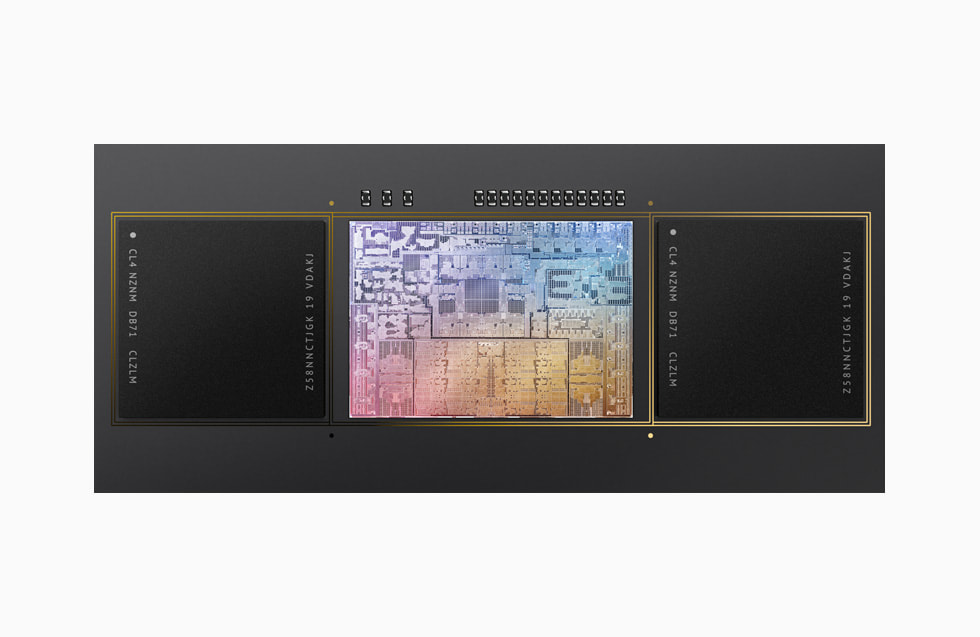
Apple M1 Pro (10-core): released Oct 26, 2021
Intel Core Ultra 5 135H: released Dec 14, 2023
The Intel Core Ultra 5 135H is 26 months newer.
InnoReviews verdict
Intel Core Ultra 5 135H wins this laptop processor face-off, 54.9 to 53.3. Apple M1 Pro (10-core) is the better pick for PassMark (single thread) and performance cores.
Key differences
Reasons to pick the Apple M1 Pro (10-core)
- 10% higher PassMark (single thread): 3,794 vs 3,459
- 100% higher performance cores: 8 vs 4
- 29% lower process: 5 nm vs 7 nm
Reasons to pick the Intel Core Ultra 5 135H
- 400% higher efficiency cores: 10 vs 2
- 200% higher max memory: 96 GB vs 32 GB
- 80% higher threads: 18 vs 10
- 43% higher boost clock: 4.6 GHz vs 3.2 GHz
- 40% higher cores: 14 vs 10
Up next
Apple M1 Pro (10-core) vs Intel Core Ultra 5 135H: benchmarks
Published results for both, side by side
PassMark (single thread)
- Apple M1 Pro (10-core)3,794
- Intel Core Ultra 5 135H3,459
PassMark's published CPU rating for the processor.
PassMark
- Apple M1 Pro (10-core)21,932
- Intel Core Ultra 5 135H21,886
PassMark's published CPU rating for the processor.
Not drawn side by side, because only one device has a published result or the two come from different versions:
- Geekbench 6 (single): Apple M1 Pro (10-core) 2,409
- Geekbench 6 (multi): Apple M1 Pro (10-core) 12,440
- Cinebench R23 (single): Apple M1 Pro (10-core) 1,534
- Cinebench R23 (multi): Apple M1 Pro (10-core) 12,370
Which would you pick?
Apple M1 Pro (10-core) vs Intel Core Ultra 5 135H: full specs
General
| Spec | Apple M1 Pro (10-core) | Intel Core Ultra 5 135H |
|---|---|---|
| Announced | 2021 | 2023 |
| Process | 5 nm+29% | 7 nm |
| Base TDP | — | 28 W |
| Max TDP | — | 115 W |
Cores & Clocks
| Spec | Apple M1 Pro (10-core) | Intel Core Ultra 5 135H |
|---|---|---|
| Cores | 10 | 14+40% |
| Performance cores | 8+100% | 4 |
| Efficiency cores | 2 | 10+400% |
| Threads | 10 | 18+80% |
| Base clock | — | 1.7 GHz |
| Boost clock | 3.2 GHz | 4.6 GHz+43% |
| L3 cache | — | 18 MB |
Integrated GPU
| Spec | Apple M1 Pro (10-core) | Intel Core Ultra 5 135H |
|---|---|---|
| iGPU | Apple 16-core GPU | Intel Arc Graphics (8 Xe) |
| iGPU clock | — | 2,200 MHz |
Memory
| Spec | Apple M1 Pro (10-core) | Intel Core Ultra 5 135H |
|---|---|---|
| Memory support | LPDDR5-6400 | LPDDR5X-7467 / DDR5-5600 |
| Max memory | 32 GB | 96 GB+200% |
Benchmarks
| Spec | Apple M1 Pro (10-core) | Intel Core Ultra 5 135H |
|---|---|---|
| Geekbench 6 (single) | 2,409Bottom 30% | — |
| Geekbench 6 (multi) | 12,440Top 41% | — |
| Cinebench R23 (single) | 1,534Bottom 23% | — |
| Cinebench R23 (multi) | 12,370Bottom 45% | — |
| PassMark | 21,932Bottom 49% | 21,886Bottom 48% |
| PassMark (single thread) | 3,794+10%Top 41% | 3,459Bottom 33% |
| 3DMark Time Spy Graphics (iGPU) | — | 3,270Top 18% |
Quick answers
Which is better: Apple M1 Pro (10-core) or Intel Core Ultra 5 135H?
Intel Core Ultra 5 135H wins this laptop processor face-off, 54.9 to 53.3. Apple M1 Pro (10-core) is the better pick for PassMark (single thread) and performance cores.
How do the scores compare?
Apple M1 Pro (10-core) scores 53.3/100 overall; Intel Core Ultra 5 135H scores 54.9/100. Apple M1 Pro (10-core) wins 4 individual spec rows, Intel Core Ultra 5 135H wins 6.
What are the main differences between the Apple M1 Pro (10-core) and the Intel Core Ultra 5 135H?
Apple M1 Pro (10-core) advantages: 10% higher PassMark (single thread): 3,794 vs 3,459; 100% higher performance cores: 8 vs 4; 29% lower process: 5 nm vs 7 nm. Intel Core Ultra 5 135H advantages: 400% higher efficiency cores: 10 vs 2; 200% higher max memory: 96 GB vs 32 GB; 80% higher threads: 18 vs 10; 43% higher boost clock: 4.6 GHz vs 3.2 GHz; 40% higher cores: 14 vs 10.
Use this on your site or forum
Copy a ready-made link. Scores on this page update as new results are published, so the link always leads to the current figures.