Intel Arc B570 vs NVIDIA GeForce RTX 5050
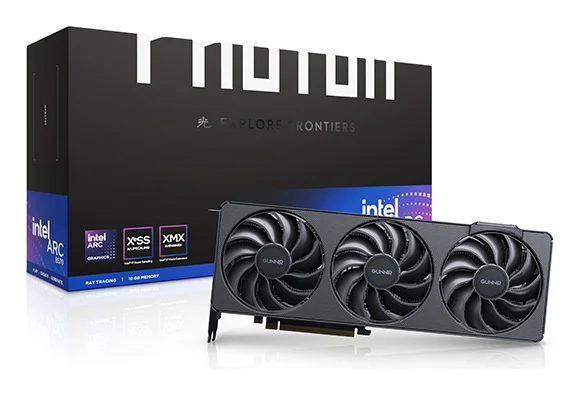
Intel Arc B570: released Jan 16, 2025, $219
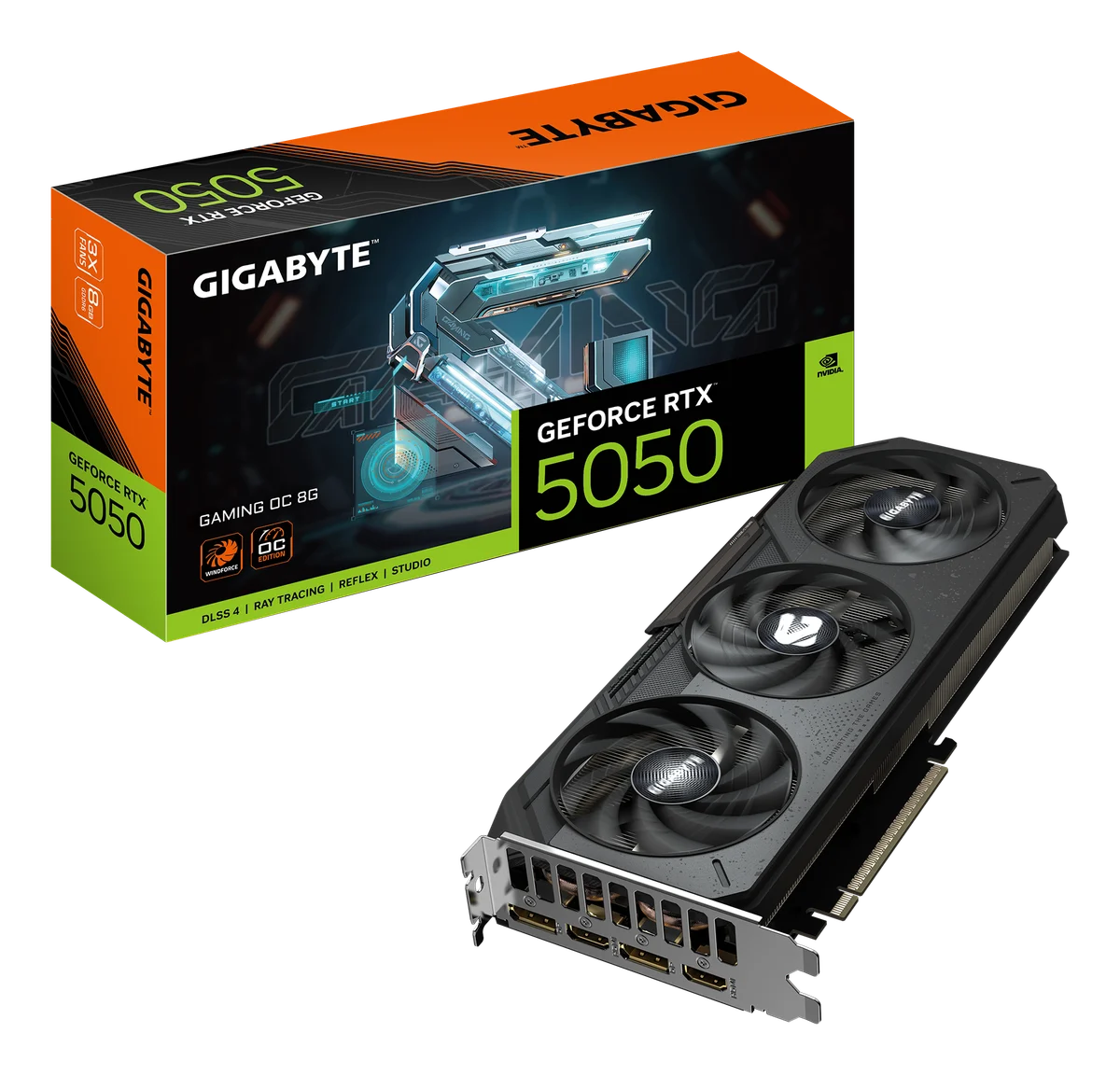
NVIDIA GeForce RTX 5050: released Jul 1, 2025, $249
The NVIDIA GeForce RTX 5050 is 5 months newer.
InnoReviews verdictToo close to call
This one is close to a dead heat: Intel Arc B570 scores 44.1 against 43.3 for NVIDIA GeForce RTX 5050. Pick by the categories that matter to you — Intel Arc B570 edges ahead in rasterization, or by price.
Key differences
Reasons to pick the Intel Arc B570
- 24% higher 3DMark Time Spy: 12,611 vs 10,201
- 80% higher Tensor / AI cores: 144 vs 80
- 25% higher VRAM: 10 GB vs 8 GB
- 25% higher bus width: 160 bit vs 128 bit
- 19% higher bandwidth: 380 GB/s vs 320 GB/s
- Lower launch price: $219 vs $249
Reasons to pick the NVIDIA GeForce RTX 5050
- 30% higher 3DMark Speed Way: 2,558 vs 1,971
- 19% higher PassMark G3D: 16,747 vs 14,088
- 13% lower TDP: 130 W vs 150 W
- 11% higher shading units: 2,560 vs 2,304
- 11% higher RT cores: 20 vs 18
Up next
Intel Arc B570 vs NVIDIA GeForce RTX 5050: benchmarks
Published results for both, side by side
3DMark Time Spy
Published 3DMark results (Wild Life Extreme for chips, the Time Spy Graphics score for graphics cards): review runs where we found them, otherwise typical published figures.
PassMark G3D
- NVIDIA GeForce RTX 505016,747
- Intel Arc B57014,088
PassMark's published G3D Mark for the graphics card.
Not drawn side by side, because only one device has a published result or the two come from different versions:
- 1440p Ultra: NVIDIA GeForce RTX 5050 50.1
Which would you pick?
Intel Arc B570 vs NVIDIA GeForce RTX 5050: full specs
General
| Spec | Intel Arc B570 | NVIDIA GeForce RTX 5050 |
|---|---|---|
| Announced | 2025 | 2025 |
| Architecture | Xe2 (Battlemage) | Blackwell |
| Process | 5 nm | 5 nm |
| TDP | 150 W | 130 W+13% |
| Power connector | 1x 8-pin | — |
Cores & Clocks
| Spec | Intel Arc B570 | NVIDIA GeForce RTX 5050 |
|---|---|---|
| Shading units | 2,304 | 2,560+11% |
| RT cores | 18 | 20+11% |
| Tensor / AI cores | 144+80% | 80 |
| Base clock | 2,200 MHz | 2,310 MHz+5% |
| Boost clock | 2,500 MHz | 2,570 MHz+3% |
Memory
| Spec | Intel Arc B570 | NVIDIA GeForce RTX 5050 |
|---|---|---|
| VRAM | 10 GB+25% | 8 GB |
| VRAM type | GDDR6 | GDDR6 |
| Bus width | 160 bit+25% | 128 bit |
| Bandwidth | 380 GB/s+19% | 320 GB/s |
Benchmarks
| Spec | Intel Arc B570 | NVIDIA GeForce RTX 5050 |
|---|---|---|
| 3DMark Time Spy | 12,611+24%Top 47% | 10,201Bottom 45% |
| 3DMark Speed Way | 1,971Bottom 21% | 2,558+30%Bottom 39% |
| PassMark G3D | 14,088Bottom 33% | 16,747+19%Bottom 45% |
| 1080p Ultra | — | 72 fpsBottom 15% |
| 1440p Ultra | — | 50 fpsBottom 13% |
| 4K Ultra | — | 26 fpsBottom 10% |
Features
| Spec | Intel Arc B570 | NVIDIA GeForce RTX 5050 |
|---|---|---|
| Upscaling | XeSS 2 | DLSS 4 |
Quick answers
Which is better: Intel Arc B570 or NVIDIA GeForce RTX 5050?
This one is close to a dead heat: Intel Arc B570 scores 44.1 against 43.3 for NVIDIA GeForce RTX 5050. Pick by the categories that matter to you — Intel Arc B570 edges ahead in rasterization, or by price.
How do the scores compare?
Intel Arc B570 scores 44.1/100 overall; NVIDIA GeForce RTX 5050 scores 43.3/100. Intel Arc B570 wins 5 individual spec rows, NVIDIA GeForce RTX 5050 wins 7.
What are the main differences between the Intel Arc B570 and the NVIDIA GeForce RTX 5050?
Intel Arc B570 advantages: 24% higher 3DMark Time Spy: 12,611 vs 10,201; 80% higher Tensor / AI cores: 144 vs 80; 25% higher VRAM: 10 GB vs 8 GB; 25% higher bus width: 160 bit vs 128 bit; 19% higher bandwidth: 380 GB/s vs 320 GB/s; Lower launch price: $219 vs $249. NVIDIA GeForce RTX 5050 advantages: 30% higher 3DMark Speed Way: 2,558 vs 1,971; 19% higher PassMark G3D: 16,747 vs 14,088; 13% lower TDP: 130 W vs 150 W; 11% higher shading units: 2,560 vs 2,304; 11% higher RT cores: 20 vs 18.
Which is cheaper: Intel Arc B570 or NVIDIA GeForce RTX 5050?
Intel Arc B570 launched cheaper at $219, versus $249 for the NVIDIA GeForce RTX 5050.
Use this on your site or forum
Copy a ready-made link. Scores on this page update as new results are published, so the link always leads to the current figures.