Intel Arc Pro B70 vs NVIDIA GeForce RTX 5090
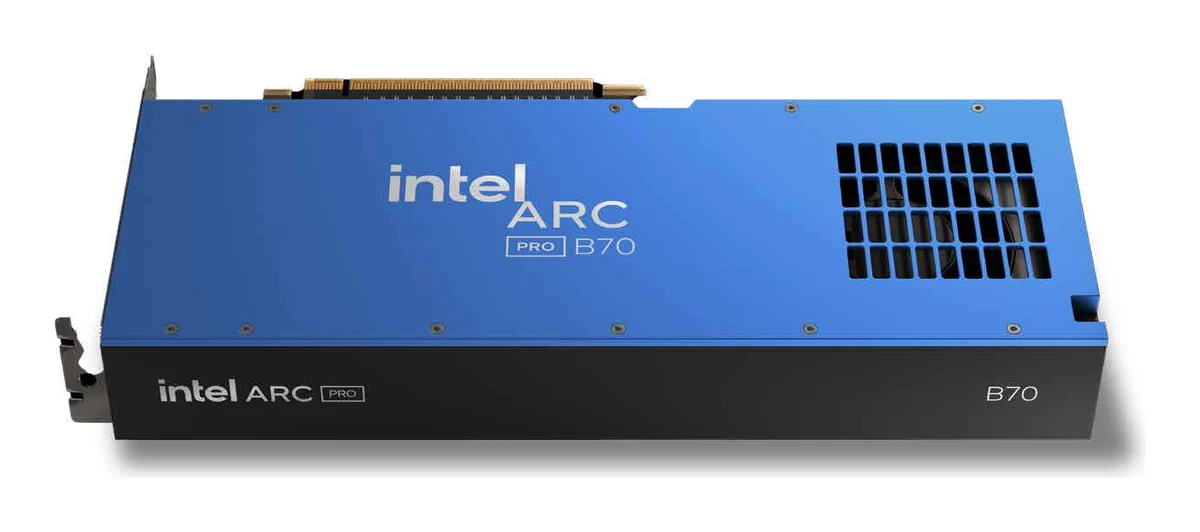
Intel Arc Pro B70: released Mar 25, 2026, $949
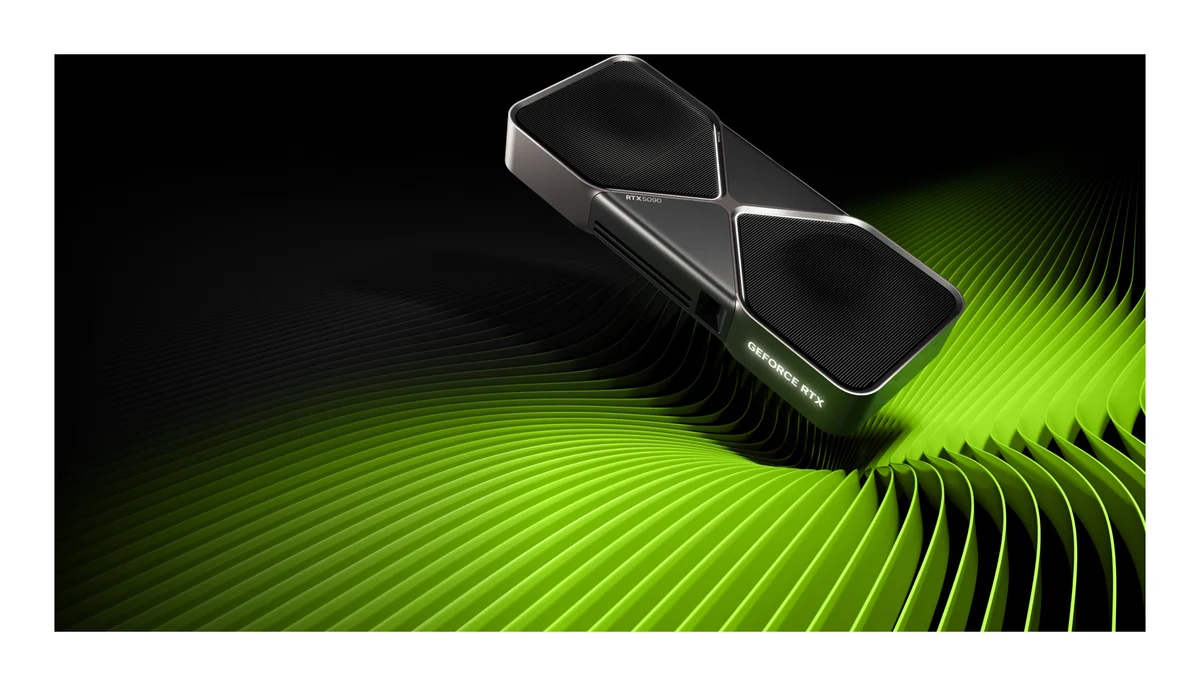
NVIDIA GeForce RTX 5090: released Jan 30, 2025, $1,999
The Intel Arc Pro B70 is 14 months newer.
InnoReviews verdict
NVIDIA GeForce RTX 5090 wins this graphics card face-off, 82.2 to 53.3, pulling ahead mainly in Ray Tracing (+61) and rasterization (+43). Intel Arc Pro B70 is the better pick for lower TDP and boost clock, and it launched cheaper.
Key differences
Reasons to pick the Intel Arc Pro B70
- 60% lower TDP: 230 W vs 575 W
- 16% higher boost clock: 2,800 MHz vs 2,407 MHz
- 13% higher base clock: 2,280 MHz vs 2,017 MHz
- Lower launch price: $949 vs $1,999
Reasons to pick the NVIDIA GeForce RTX 5090
- 353% higher 3DMark Speed Way: 14,622 vs 3,225
- 155% higher 3DMark Time Spy: 46,861 vs 18,396
- 109% higher PassMark G3D: 38,995 vs 18,640
- 431% higher shading units: 21,760 vs 4,096
- 431% higher RT cores: 170 vs 32
Up next
Intel Arc Pro B70 vs NVIDIA GeForce RTX 5090: benchmarks
Published results for both, side by side
3DMark Time Spy
Published 3DMark results (Wild Life Extreme for chips, the Time Spy Graphics score for graphics cards): review runs where we found them, otherwise typical published figures.
PassMark G3D
- NVIDIA GeForce RTX 509038,995
- Intel Arc Pro B7018,640
PassMark's published G3D Mark for the graphics card.
Not drawn side by side, because only one device has a published result or the two come from different versions:
- 1440p Ultra: NVIDIA GeForce RTX 5090 206.1
Which would you pick?
Intel Arc Pro B70 vs NVIDIA GeForce RTX 5090: full specs
General
| Spec | Intel Arc Pro B70 | NVIDIA GeForce RTX 5090 |
|---|---|---|
| Announced | 2026 | 2025 |
| Architecture | Xe2 (Battlemage) | Blackwell |
| Process | 5 nm | 5 nm |
| TDP | 230 W+60% | 575 W |
| Power connector | 1x 8-pin | 1x 16-pin |
Cores & Clocks
| Spec | Intel Arc Pro B70 | NVIDIA GeForce RTX 5090 |
|---|---|---|
| Shading units | 4,096 | 21,760+431% |
| RT cores | 32 | 170+431% |
| Tensor / AI cores | 256 | 680+166% |
| Base clock | 2,280 MHz+13% | 2,017 MHz |
| Boost clock | 2,800 MHz+16% | 2,407 MHz |
Memory
| Spec | Intel Arc Pro B70 | NVIDIA GeForce RTX 5090 |
|---|---|---|
| VRAM | 32 GB | 32 GB |
| VRAM type | GDDR6 | GDDR7 |
| Bus width | 256 bit | 512 bit+100% |
| Bandwidth | 608 GB/s | 1,792 GB/s+195% |
Benchmarks
| Spec | Intel Arc Pro B70 | NVIDIA GeForce RTX 5090 |
|---|---|---|
| 3DMark Time Spy | 18,396Top 26% | 46,861+155%Top 2% |
| 3DMark Speed Way | 3,225Bottom 50% | 14,622+353%Top 4% |
| PassMark G3D | 18,640Top 49% | 38,995+109%Top 2% |
| 1080p Ultra | — | 242 fpsTop 3% |
| 1440p Ultra | — | 206 fpsTop 3% |
| 4K Ultra | — | 140 fpsTop 3% |
Features
| Spec | Intel Arc Pro B70 | NVIDIA GeForce RTX 5090 |
|---|---|---|
| Upscaling | XeSS | DLSS 4 |
Quick answers
Which is better: Intel Arc Pro B70 or NVIDIA GeForce RTX 5090?
NVIDIA GeForce RTX 5090 wins this graphics card face-off, 82.2 to 53.3, pulling ahead mainly in Ray Tracing (+61) and rasterization (+43). Intel Arc Pro B70 is the better pick for lower TDP and boost clock, and it launched cheaper.
How do the scores compare?
Intel Arc Pro B70 scores 53.3/100 overall; NVIDIA GeForce RTX 5090 scores 82.2/100. Intel Arc Pro B70 wins 4 individual spec rows, NVIDIA GeForce RTX 5090 wins 8.
What are the main differences between the Intel Arc Pro B70 and the NVIDIA GeForce RTX 5090?
Intel Arc Pro B70 advantages: 60% lower TDP: 230 W vs 575 W; 16% higher boost clock: 2,800 MHz vs 2,407 MHz; 13% higher base clock: 2,280 MHz vs 2,017 MHz; Lower launch price: $949 vs $1,999. NVIDIA GeForce RTX 5090 advantages: 353% higher 3DMark Speed Way: 14,622 vs 3,225; 155% higher 3DMark Time Spy: 46,861 vs 18,396; 109% higher PassMark G3D: 38,995 vs 18,640; 431% higher shading units: 21,760 vs 4,096; 431% higher RT cores: 170 vs 32.
Which is cheaper: Intel Arc Pro B70 or NVIDIA GeForce RTX 5090?
Intel Arc Pro B70 launched cheaper at $949, versus $1,999 for the NVIDIA GeForce RTX 5090.
Use this on your site or forum
Copy a ready-made link. Scores on this page update as new results are published, so the link always leads to the current figures.