ASUS ProArt P16 (H7606GP) vs Samsung Galaxy Book6 Ultra
ASUS ProArt P16 (H7606GP): AMD Ryzen AI 9 465, released Jul 1, 2026
Samsung Galaxy Book6 Ultra: Intel Core Ultra 7 356H, released Jan 27, 2026, $3,800
The ASUS ProArt P16 (H7606GP) is 5 months newer.
Chip vs chip: AMD Ryzen AI 9 465 vs Intel Core Ultra 7 356H →
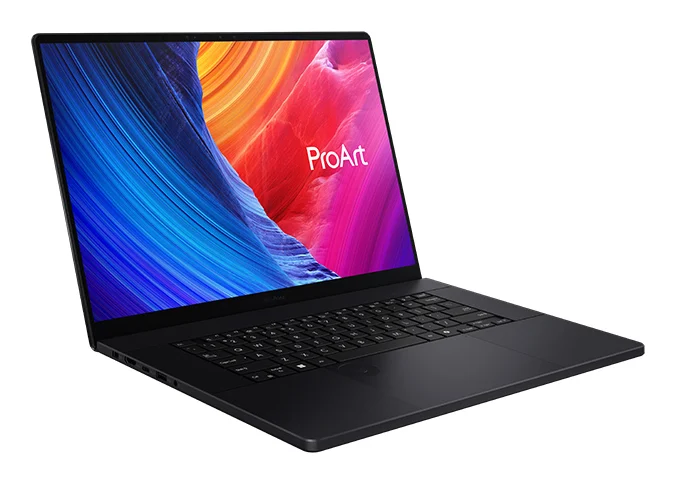
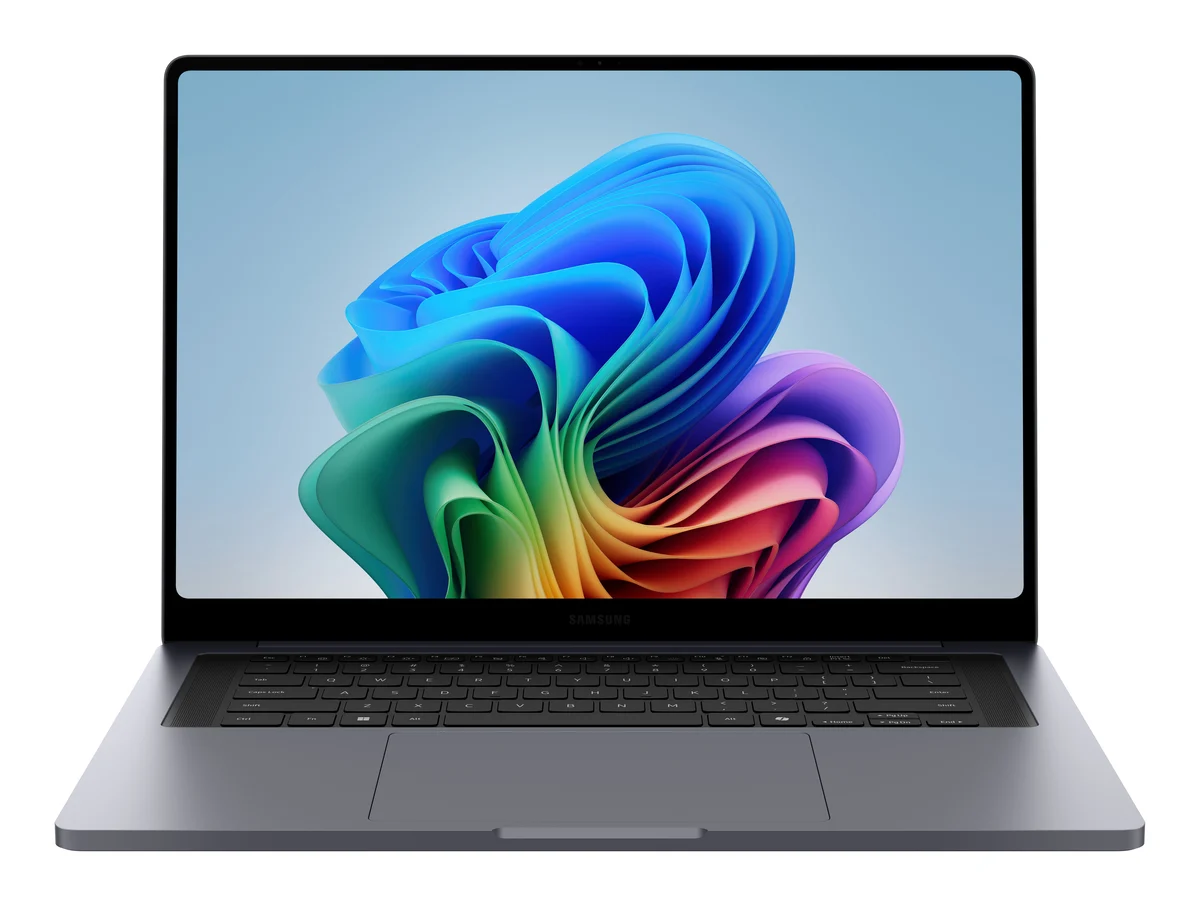
InnoReviews verdict
This one is close to a dead heat: ASUS ProArt P16 (H7606GP) scores 65.9 against 66.7 for Samsung Galaxy Book6 Ultra. Pick by the categories that matter to you — Samsung Galaxy Book6 Ultra edges ahead in performance, or by price.
Key differences
Reasons to pick the ASUS ProArt P16 (H7606GP)
- 43% higher charging: 200 W vs 140 W
- 12% higher capacity: 90 Wh vs 80.2 Wh
Reasons to pick the Samsung Galaxy Book6 Ultra
- Stronger performance score: 57 vs 54
- 11% lower thickness: 15.4 mm vs 17.3 mm
Which would you pick?
ASUS ProArt P16 (H7606GP) vs Samsung Galaxy Book6 Ultra: full specs
Display
| Spec | ASUS ProArt P16 (H7606GP) | Samsung Galaxy Book6 Ultra |
|---|---|---|
| Screen size | 16 ″ | 16 ″ |
| Panel type | OLED touchscreen (100% DCI-P3, stylus support) | Dynamic AMOLED 2X (Anti-Reflective, touch) |
| Resolution | 2880x1800 | 2880x1800 |
| Refresh rate | 120 Hz | 120 Hz |
| Peak brightness | 1,000 nits | 1,000 nits |
Performance
| Spec | ASUS ProArt P16 (H7606GP) | Samsung Galaxy Book6 Ultra |
|---|---|---|
| Processor | AMD Ryzen AI 9 465 | Intel Core Ultra 7 356H |
| Graphics | NVIDIA GeForce RTX 5070 Laptop GPU (8GB GDDR7) | NVIDIA GeForce RTX 5070 Laptop GPU (8GB GDDR7) |
| RAM | 32 GB | 32 GB |
| RAM type | LPDDR5X (soldered) | LPDDR5X (on-board) |
| Storage | 1,024 GB | 1,024 GB |
| Storage type | M.2 NVMe PCIe 4.0 SSD | NVMe SSD |
Benchmarks
| Spec | ASUS ProArt P16 (H7606GP) | Samsung Galaxy Book6 Ultra |
|---|---|---|
| Geekbench 6 (single) | — | 2,851Top 46% |
| Geekbench 6 (multi) | — | 16,676Top 28% |
| 3DMark Time Spy Graphics (GPU) | 13,644Top 31% | 13,644Top 31% |
Battery
| Spec | ASUS ProArt P16 (H7606GP) | Samsung Galaxy Book6 Ultra |
|---|---|---|
| Capacity | 90 Wh+12% | 80.2 Wh |
| Web browsing endurance | — | 16.8 h |
| Charging | 200 W+43% | 140 W |
Design
| Spec | ASUS ProArt P16 (H7606GP) | Samsung Galaxy Book6 Ultra |
|---|---|---|
| Weight | 1.85 kg+2% | 1.89 kg |
| Thickness | 17.3 mm | 15.4 mm+11% |
| Material | — | Aluminum |
Connectivity
| Spec | ASUS ProArt P16 (H7606GP) | Samsung Galaxy Book6 Ultra |
|---|---|---|
| Ports | 2x USB 3.2 Gen 2 Type-A, 1x USB4 Gen 3 Type-C (40Gbps, display and power delivery), 1x USB 3.2 Gen 2 Type-C (display and power delivery), HDMI 2.1 FRL, SD Express 7.0 card reader, 3.5mm combo audio jack | 2x Thunderbolt 4 (USB-C), 1x USB-A (USB 3.2), HDMI 2.1, SDXC card reader, 3.5mm headphone/mic combo |
| Wi-Fi | Wi-Fi 7 (802.11be) | Wi-Fi 7 |
| Bluetooth | 5.4 | 5.4 |
| Webcam | FHD with IR | 2MP (1080p) |
| Biometrics | IR camera for Windows Hello face login | Fingerprint reader, face recognition |
Software
| Spec | ASUS ProArt P16 (H7606GP) | Samsung Galaxy Book6 Ultra |
|---|---|---|
| Operating system | Windows 11 Home | Windows 11 Home |
Quick answers
Which is better: ASUS ProArt P16 (H7606GP) or Samsung Galaxy Book6 Ultra?
This one is close to a dead heat: ASUS ProArt P16 (H7606GP) scores 65.9 against 66.7 for Samsung Galaxy Book6 Ultra. Pick by the categories that matter to you — Samsung Galaxy Book6 Ultra edges ahead in performance, or by price.
How do the scores compare?
ASUS ProArt P16 (H7606GP) scores 65.9/100 overall; Samsung Galaxy Book6 Ultra scores 66.7/100. ASUS ProArt P16 (H7606GP) wins 3 individual spec rows, Samsung Galaxy Book6 Ultra wins 1.
What are the main differences between the ASUS ProArt P16 (H7606GP) and the Samsung Galaxy Book6 Ultra?
ASUS ProArt P16 (H7606GP) advantages: 43% higher charging: 200 W vs 140 W; 12% higher capacity: 90 Wh vs 80.2 Wh. Samsung Galaxy Book6 Ultra advantages: Stronger performance score: 57 vs 54; 11% lower thickness: 15.4 mm vs 17.3 mm.
Use this on your site or forum
Copy a ready-made link. Scores on this page update as new results are published, so the link always leads to the current figures.