ASUS ProArt PZ13 (HT5306) vs Lenovo ThinkPad X13 Gen 6 (Intel)
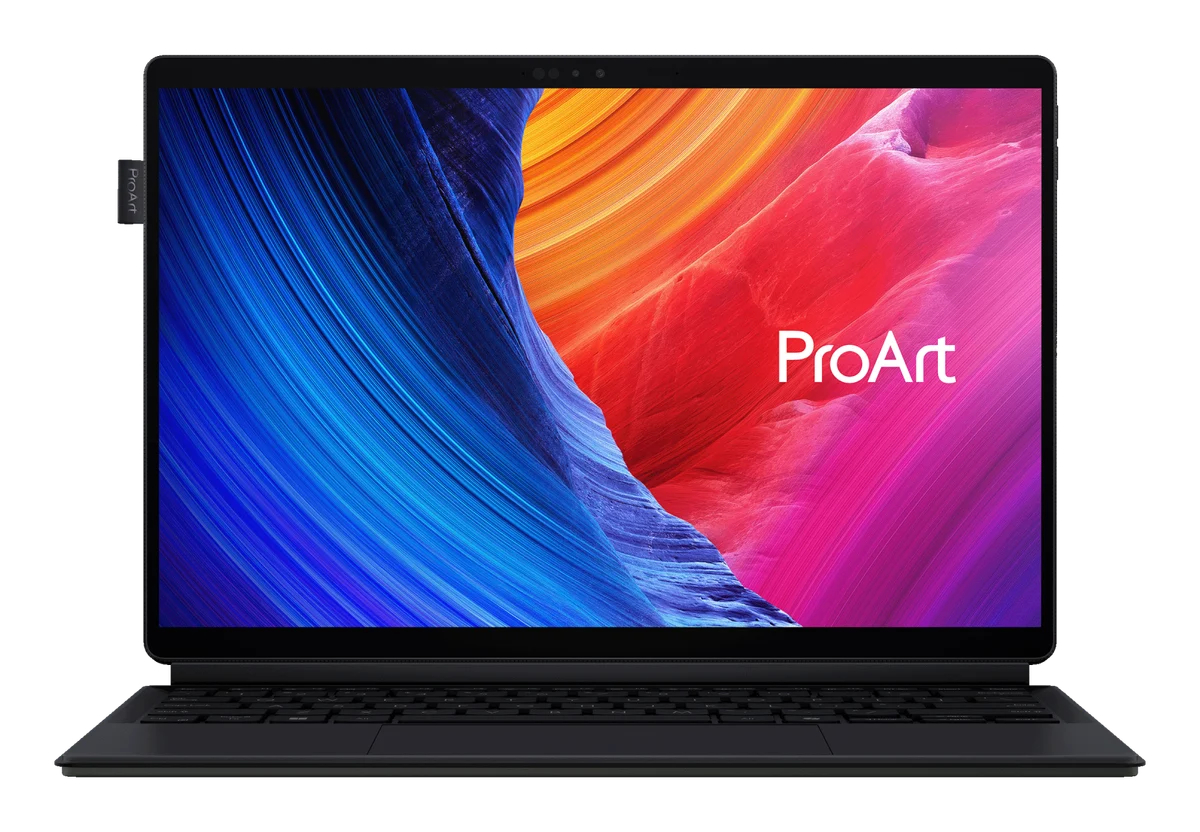
ASUS ProArt PZ13 (HT5306): Qualcomm Snapdragon X Plus X1P-42-100, released Sep 4, 2024, $1,099
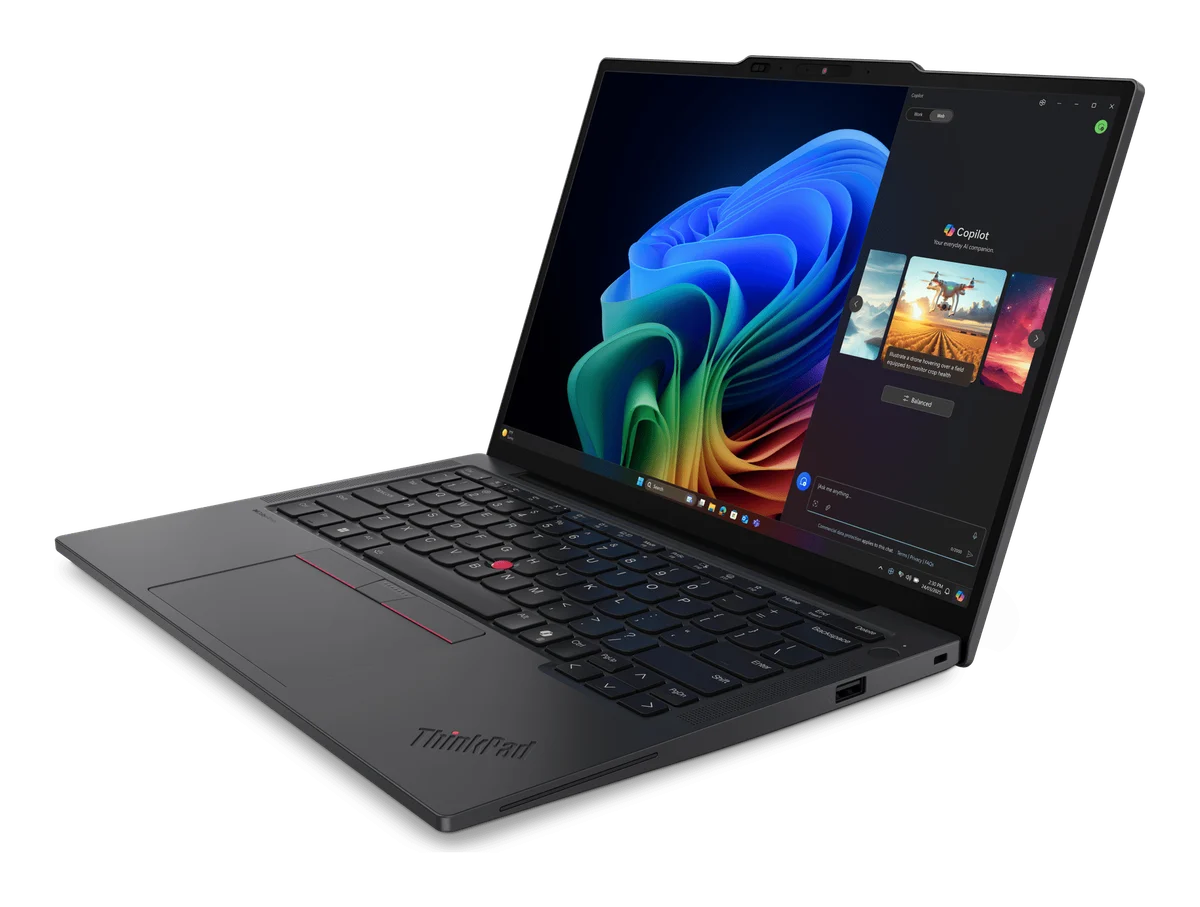
Lenovo ThinkPad X13 Gen 6 (Intel): Intel Core Ultra 5 225U, released Apr 15, 2025, $1,139
The Lenovo ThinkPad X13 Gen 6 (Intel) is 7 months newer.
Chip vs chip: Qualcomm Snapdragon X Plus X1P-42-100 vs Intel Core Ultra 5 225U →
InnoReviews verdict
ASUS ProArt PZ13 (HT5306) wins this laptop face-off, 52.1 to 49.8, pulling ahead mainly in performance (+1). Lenovo ThinkPad X13 Gen 6 (Intel) is the better pick for Geekbench 6 (single) and graphics.
Key differences
Reasons to pick the ASUS ProArt PZ13 (HT5306)
- 9.1 mm thinner: 9 mm vs 18.2 mm
- 25% higher peak brightness: 500 nits vs 400 nits
- 0.11 kg lighter: 0.85 kg vs 0.96 kg
- 100% higher storage: 1,024 GB vs 512 GB
- 28% higher capacity: 70 Wh vs 54.7 Wh
Reasons to pick the Lenovo ThinkPad X13 Gen 6 (Intel)
- 5% higher Geekbench 6 (single): 2,460 vs 2,353
- Stronger graphics score: 47 vs 33
Up next
ASUS ProArt PZ13 (HT5306) vs Lenovo ThinkPad X13 Gen 6 (Intel): benchmarks
Published results for both, side by side
Geekbench 6 (single)
- Lenovo ThinkPad X13 Gen 6 (Intel)2,460
- ASUS ProArt PZ13 (HT5306)2,353
Published results: review runs where we found them, otherwise typical published figures. A chip's figure is normally the median of review runs on devices with that chip.
Which would you pick?
ASUS ProArt PZ13 (HT5306) vs Lenovo ThinkPad X13 Gen 6 (Intel): full specs
Display
| Spec | ASUS ProArt PZ13 (HT5306) | Lenovo ThinkPad X13 Gen 6 (Intel) |
|---|---|---|
| Screen size | 13.3 ″ | 13.3 ″ |
| Panel type | OLED touchscreen (ASUS Lumina, 100% DCI-P3, Pantone validated, stylus support) | IPS (anti-glare, non-touch) |
| Resolution | 2880x1800 | 1920x1200 |
| Refresh rate | 60 Hz | 60 Hz |
| Peak brightness | 500 nits+25% | 400 nits |
Performance
| Spec | ASUS ProArt PZ13 (HT5306) | Lenovo ThinkPad X13 Gen 6 (Intel) |
|---|---|---|
| Processor | Qualcomm Snapdragon X Plus X1P-42-100 | Intel Core Ultra 5 225U |
| Graphics | Qualcomm Adreno X1-45 (integrated) | Intel Graphics (integrated) |
| RAM | 16 GB | 16 GB |
| RAM type | LPDDR5x-8448 (onboard) | LPDDR5X-8400 (soldered) |
| Storage | 1,024 GB+100% | 512 GB |
| Storage type | M.2 NVMe PCIe 4.0 SSD | PCIe 4.0 NVMe SSD (M.2 2280) |
Benchmarks
| Spec | ASUS ProArt PZ13 (HT5306) | Lenovo ThinkPad X13 Gen 6 (Intel) |
|---|---|---|
| Geekbench 6 (single) | 2,353Bottom 9% | 2,460+5%Bottom 19% |
| Geekbench 6 (multi) | 10,833+1%Bottom 19% | 10,734Bottom 16% |
Battery
| Spec | ASUS ProArt PZ13 (HT5306) | Lenovo ThinkPad X13 Gen 6 (Intel) |
|---|---|---|
| Capacity | 70 Wh+28% | 54.7 Wh |
| Charging | 65 W | 65 W |
Design
| Spec | ASUS ProArt PZ13 (HT5306) | Lenovo ThinkPad X13 Gen 6 (Intel) |
|---|---|---|
| Weight | 0.85 kg+12% | 0.96 kg |
| Thickness | 9 mm+50% | 18.2 mm |
| Material | CNC-machined aluminum alloy with an anodized Nano Black finish | Carbon-fiber top cover with aluminum or magnesium bottom (varies by configuration) |
Connectivity
| Spec | ASUS ProArt PZ13 (HT5306) | Lenovo ThinkPad X13 Gen 6 (Intel) |
|---|---|---|
| Ports | 2x USB4 Gen 3 Type-C (40Gbps, USB Power Delivery, DisplayPort), SD Express 7.0 card reader (microSD adapter), no 3.5mm audio jack | 2x USB-C (Thunderbolt 4 / USB4 40Gbps, USB PD, DisplayPort 2.1), 1x USB-A (5Gbps, always-on), HDMI 2.1 (up to 4K/60Hz), 3.5mm combo jack; optional nano-SIM slot and smart card reader |
| Wi-Fi | Wi-Fi 7 (802.11be) | Wi-Fi 6E (Wi-Fi 7 on some configurations) |
| Bluetooth | 5.4 | 5.3 |
| Webcam | 5MP front camera (1440p) with IR, 13MP rear camera (4K) | 5MP + IR with privacy shutter (5MP without IR on some configurations) |
| Biometrics | IR camera (Windows Hello face login) | Fingerprint reader in power button and IR camera for Windows Hello (both optional) |
Software
| Spec | ASUS ProArt PZ13 (HT5306) | Lenovo ThinkPad X13 Gen 6 (Intel) |
|---|---|---|
| Operating system | Windows 11 Home or Pro | Windows 11 (Home or Pro) |
Quick answers
Which is better: ASUS ProArt PZ13 (HT5306) or Lenovo ThinkPad X13 Gen 6 (Intel)?
ASUS ProArt PZ13 (HT5306) wins this laptop face-off, 52.1 to 49.8, pulling ahead mainly in performance (+1). Lenovo ThinkPad X13 Gen 6 (Intel) is the better pick for Geekbench 6 (single) and graphics.
How do the scores compare?
ASUS ProArt PZ13 (HT5306) scores 52.1/100 overall; Lenovo ThinkPad X13 Gen 6 (Intel) scores 49.8/100. ASUS ProArt PZ13 (HT5306) wins 6 individual spec rows, Lenovo ThinkPad X13 Gen 6 (Intel) wins 1.
What are the main differences between the ASUS ProArt PZ13 (HT5306) and the Lenovo ThinkPad X13 Gen 6 (Intel)?
ASUS ProArt PZ13 (HT5306) advantages: 9.1 mm thinner: 9 mm vs 18.2 mm; 25% higher peak brightness: 500 nits vs 400 nits; 0.11 kg lighter: 0.85 kg vs 0.96 kg; 100% higher storage: 1,024 GB vs 512 GB; 28% higher capacity: 70 Wh vs 54.7 Wh. Lenovo ThinkPad X13 Gen 6 (Intel) advantages: 5% higher Geekbench 6 (single): 2,460 vs 2,353; Stronger graphics score: 47 vs 33.
Which is cheaper: ASUS ProArt PZ13 (HT5306) or Lenovo ThinkPad X13 Gen 6 (Intel)?
ASUS ProArt PZ13 (HT5306) launched cheaper at $1,099, versus $1,139 for the Lenovo ThinkPad X13 Gen 6 (Intel).
Use this on your site or forum
Copy a ready-made link. Scores on this page update as new results are published, so the link always leads to the current figures.