ASUS Zenbook S 16 (UM5606) vs Lenovo Xiaoxin Pro 16 2025 (Ryzen)
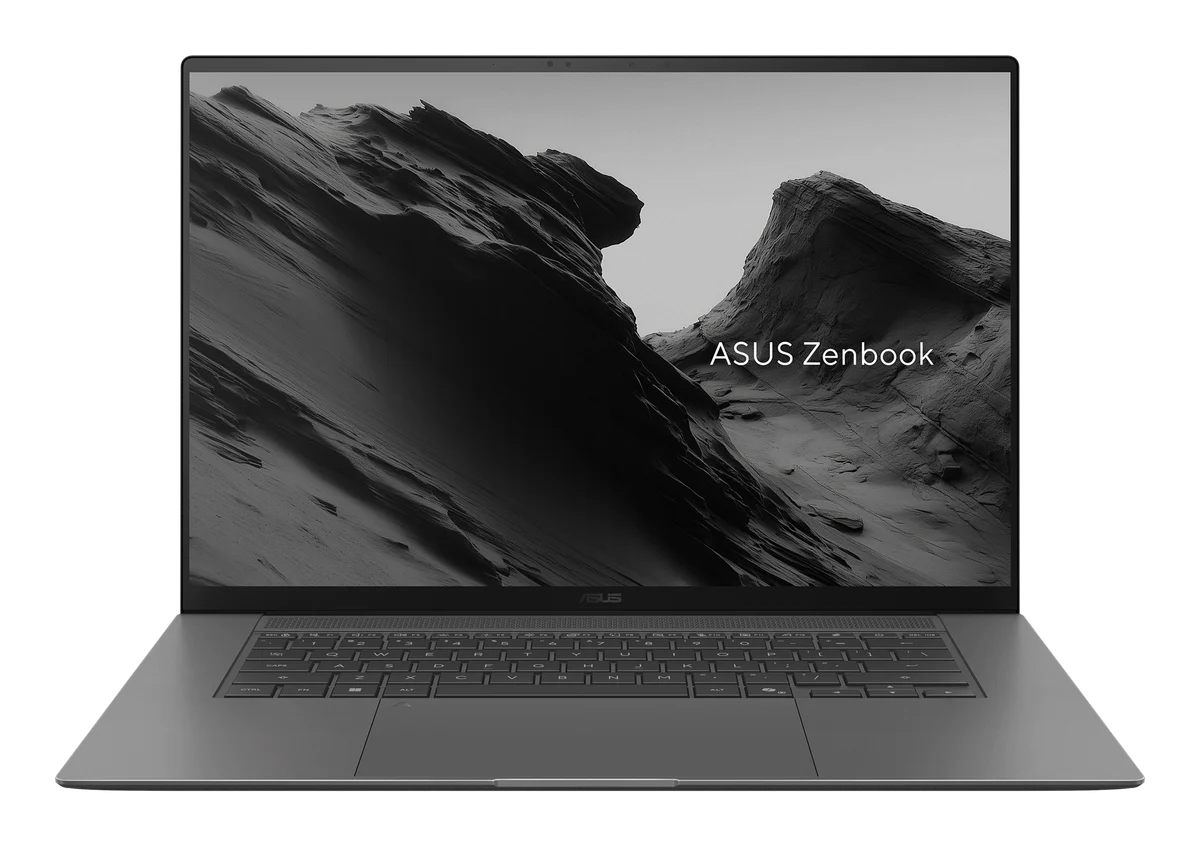
ASUS Zenbook S 16 (UM5606): AMD Ryzen AI 9 HX 370, released Jul 28, 2024, $1,700
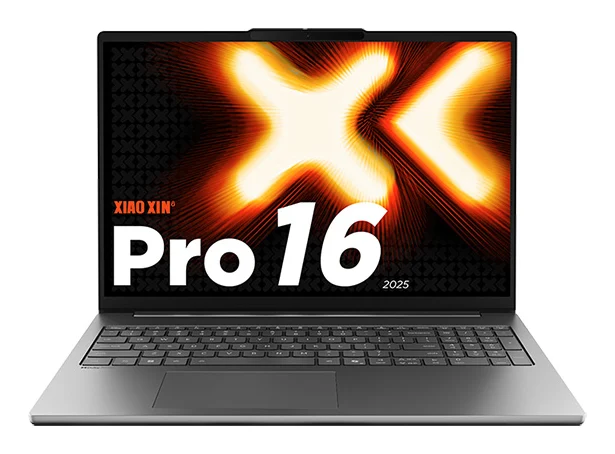
Lenovo Xiaoxin Pro 16 2025 (Ryzen): AMD Ryzen 7 H 255, released Apr 28, 2025
The Lenovo Xiaoxin Pro 16 2025 (Ryzen) is 9 months newer.
InnoReviews verdict
This one is close to a dead heat: ASUS Zenbook S 16 (UM5606) scores 57.7 against 58 for Lenovo Xiaoxin Pro 16 2025 (Ryzen). Pick by the categories that matter to you, or by price.
Key differences
Reasons to pick the ASUS Zenbook S 16 (UM5606)
- Stronger performance score: 52 vs 46
- Stronger graphics score: 59 vs 55
- 33% higher RAM: 32 GB vs 24 GB
- 30% lower thickness: 11.9 mm vs 16.9 mm
- 15% lower weight: 1.5 kg vs 1.76 kg
Reasons to pick the Lenovo Xiaoxin Pro 16 2025 (Ryzen)
- 120% higher peak brightness: 1,100 nits vs 500 nits
Which would you pick?
ASUS Zenbook S 16 (UM5606) vs Lenovo Xiaoxin Pro 16 2025 (Ryzen): full specs
Display
| Spec | ASUS Zenbook S 16 (UM5606) | Lenovo Xiaoxin Pro 16 2025 (Ryzen) |
|---|---|---|
| Screen size | 16 ″ | 16 ″ |
| Panel type | OLED touchscreen (Lumina, 100% DCI-P3, HDR True Black 500) | OLED |
| Resolution | 2880x1800 | 2880x1800 |
| Refresh rate | 120 Hz | 120 Hz |
| Peak brightness | 500 nits | 1,100 nits+120% |
Performance
| Spec | ASUS Zenbook S 16 (UM5606) | Lenovo Xiaoxin Pro 16 2025 (Ryzen) |
|---|---|---|
| Processor | AMD Ryzen AI 9 HX 370 | AMD Ryzen 7 H 255 |
| Graphics | AMD Radeon 890M Graphics | AMD Radeon 780M (integrated) |
| RAM | 32 GB+33% | 24 GB |
| RAM type | LPDDR5X (on board) | DDR5 |
| Storage | 1,024 GB | 1,024 GB |
| Storage type | M.2 NVMe PCIe 4.0 SSD | NVMe SSD |
Benchmarks
| Spec | ASUS Zenbook S 16 (UM5606) | Lenovo Xiaoxin Pro 16 2025 (Ryzen) |
|---|---|---|
| Geekbench 6 (single) | 2,817Bottom 51% | — |
| Geekbench 6 (multi) | 13,363Bottom 48% | — |
Battery
| Spec | ASUS Zenbook S 16 (UM5606) | Lenovo Xiaoxin Pro 16 2025 (Ryzen) |
|---|---|---|
| Capacity | 78 Wh | 80 Wh+3% |
| Charging | 65 W | — |
Design
| Spec | ASUS Zenbook S 16 (UM5606) | Lenovo Xiaoxin Pro 16 2025 (Ryzen) |
|---|---|---|
| Weight | 1.5 kg+15% | 1.76 kg |
| Thickness | 11.9 mm+30% | 16.9 mm |
| Material | Ceraluminum | — |
Connectivity
| Spec | ASUS Zenbook S 16 (UM5606) | Lenovo Xiaoxin Pro 16 2025 (Ryzen) |
|---|---|---|
| Ports | 2x USB4 Type-C (40Gbps, display/PD), 1x USB 3.2 Gen 2 Type-A, 1x HDMI 2.1, SD 4.0 card reader, 3.5mm combo audio jack | 2x USB-A 3.2 Gen 1, 2x full-function USB-C, HDMI, 3.5mm audio jack |
| Wi-Fi | Wi-Fi 7 (802.11be) | Wi-Fi 6 |
| Bluetooth | 5.4 | — |
| Webcam | FHD with IR | 1080p |
| Biometrics | IR camera (Windows Hello) | Face recognition |
Software
| Spec | ASUS Zenbook S 16 (UM5606) | Lenovo Xiaoxin Pro 16 2025 (Ryzen) |
|---|---|---|
| Operating system | Windows 11 Pro | Windows 11 Home |
Quick answers
Which is better: ASUS Zenbook S 16 (UM5606) or Lenovo Xiaoxin Pro 16 2025 (Ryzen)?
This one is close to a dead heat: ASUS Zenbook S 16 (UM5606) scores 57.7 against 58 for Lenovo Xiaoxin Pro 16 2025 (Ryzen). Pick by the categories that matter to you, or by price.
How do the scores compare?
ASUS Zenbook S 16 (UM5606) scores 57.7/100 overall; Lenovo Xiaoxin Pro 16 2025 (Ryzen) scores 58/100. ASUS Zenbook S 16 (UM5606) wins 3 individual spec rows, Lenovo Xiaoxin Pro 16 2025 (Ryzen) wins 2.
What are the main differences between the ASUS Zenbook S 16 (UM5606) and the Lenovo Xiaoxin Pro 16 2025 (Ryzen)?
ASUS Zenbook S 16 (UM5606) advantages: Stronger performance score: 52 vs 46; Stronger graphics score: 59 vs 55; 33% higher RAM: 32 GB vs 24 GB; 30% lower thickness: 11.9 mm vs 16.9 mm; 15% lower weight: 1.5 kg vs 1.76 kg. Lenovo Xiaoxin Pro 16 2025 (Ryzen) advantages: 120% higher peak brightness: 1,100 nits vs 500 nits.
Use this on your site or forum
Copy a ready-made link. Scores on this page update as new results are published, so the link always leads to the current figures.