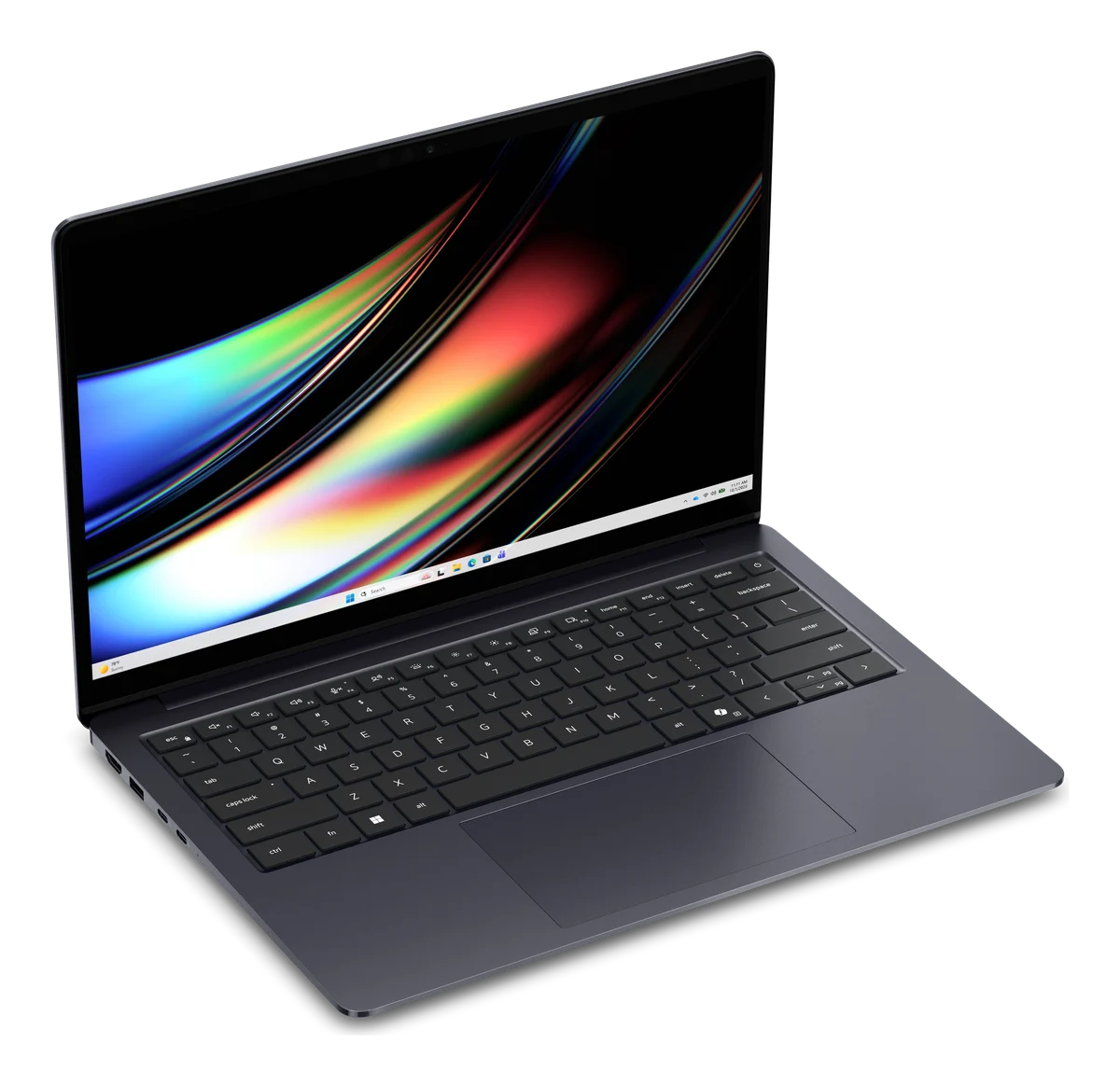
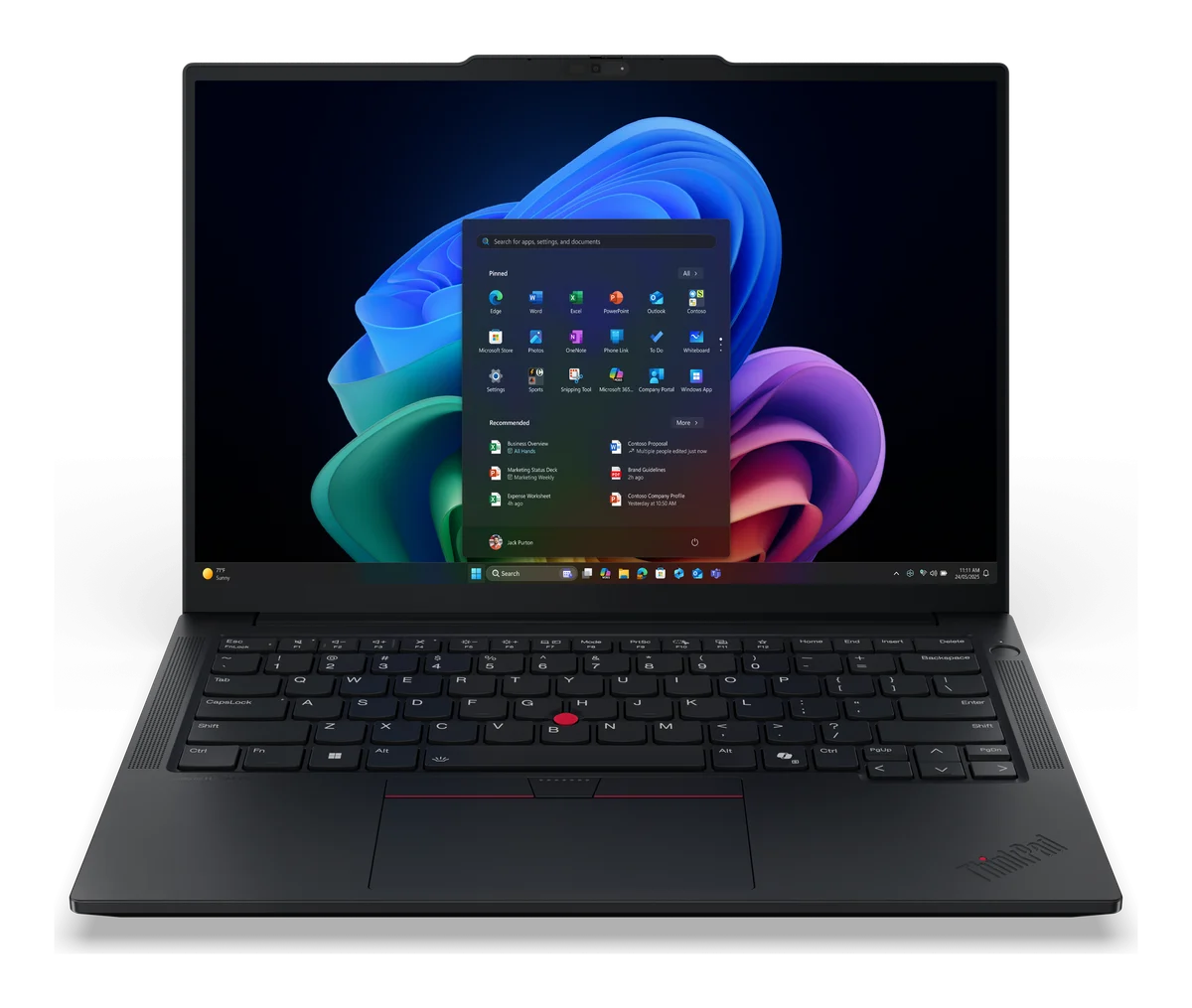
Dell 14S (DS14265) vs Lenovo ThinkPad E14 Gen 8 (Intel)
Dell 14S (DS14265): AMD Ryzen AI 7 445, released May 29, 2026, $1,450
Lenovo ThinkPad E14 Gen 8 (Intel): Intel Core 7 350, released Jul 15, 2026, $1,399
The Lenovo ThinkPad E14 Gen 8 (Intel) is 2 months newer.
InnoReviews verdict
Dell 14S (DS14265) wins this laptop face-off, 45.5 to 39.1, pulling ahead mainly in performance (+3) and graphics (+0). Lenovo ThinkPad E14 Gen 8 (Intel) still makes sense if its price or standout specs fit your needs better.
Key differences
Reasons to pick the Dell 14S (DS14265)
- Stronger performance score: 39 vs 36
- 46% higher capacity: 70 Wh vs 48 Wh
- 22% lower thickness: 15.3 mm vs 19.7 mm
Reasons to pick the Lenovo ThinkPad E14 Gen 8 (Intel)
- 33% higher peak brightness: 400 nits vs 300 nits
Which would you pick?
Dell 14S (DS14265) vs Lenovo ThinkPad E14 Gen 8 (Intel): full specs
Display
| Spec | Dell 14S (DS14265) | Lenovo ThinkPad E14 Gen 8 (Intel) |
|---|---|---|
| Screen size | 14 ″ | 14 ″ |
| Panel type | OLED (touchscreen, glossy) | IPS (anti-glare, in-cell touch) |
| Resolution | 1920x1200 | 1920x1200 |
| Refresh rate | 60 Hz | 60 Hz |
| Peak brightness | 300 nits | 400 nits+33% |
Performance
| Spec | Dell 14S (DS14265) | Lenovo ThinkPad E14 Gen 8 (Intel) |
|---|---|---|
| Processor | AMD Ryzen AI 7 445 | Intel Core 7 350 |
| Graphics | AMD Radeon 840M Graphics (integrated) | Intel Graphics (integrated, 2 Xe3 cores) |
| RAM | 16 GB | 16 GB |
| RAM type | LPDDR5X-8000 (onboard) | DDR5-5600 (1x SO-DIMM, single-channel) |
| Storage | 512 GB | 512 GB |
| Storage type | PCIe Gen4 NVMe SSD (M.2 2230) | PCIe 4.0 NVMe SSD (M.2 2242) |
Battery
| Spec | Dell 14S (DS14265) | Lenovo ThinkPad E14 Gen 8 (Intel) |
|---|---|---|
| Capacity | 70 Wh+46% | 48 Wh |
| Charging | 65 W | 65 W |
Design
| Spec | Dell 14S (DS14265) | Lenovo ThinkPad E14 Gen 8 (Intel) |
|---|---|---|
| Weight | 1.51 kg | 1.4 kg+7% |
| Thickness | 15.3 mm+22% | 19.7 mm |
| Material | Aluminum | Aluminum top, aluminum or PC-ABS bottom (varies by configuration) |
Connectivity
| Spec | Dell 14S (DS14265) | Lenovo ThinkPad E14 Gen 8 (Intel) |
|---|---|---|
| Ports | 2x USB4 (Type-C, 40Gbps, DisplayPort, Power Delivery), 2x USB 3.2 Gen 1 (5Gbps), HDMI 2.1, global headset jack | 2x Thunderbolt 4 (USB PD, DisplayPort 2.1), 1x USB-A (10Gbps, always on), 1x USB-A (5Gbps), HDMI 2.1 (up to 4K/60Hz), Gigabit Ethernet (RJ-45), 3.5mm combo jack |
| Wi-Fi | Wi-Fi 7 (MediaTek MT7925) | Wi-Fi 6E (Wi-Fi 7 on some configurations) |
| Bluetooth | 5.4 | 5.3 |
| Webcam | FHD (1080p) with IR and presence detection | 1080p with IR and privacy shutter (720p or 5MP on some configurations) |
| Biometrics | IR camera face sign-in (no fingerprint reader) | Fingerprint reader in power button and IR face unlock (both optional) |
Software
| Spec | Dell 14S (DS14265) | Lenovo ThinkPad E14 Gen 8 (Intel) |
|---|---|---|
| Operating system | Windows 11 Home (Copilot+ PC) | Windows 11 (Home or Pro) |
Quick answers
Which is better: Dell 14S (DS14265) or Lenovo ThinkPad E14 Gen 8 (Intel)?
Dell 14S (DS14265) wins this laptop face-off, 45.5 to 39.1, pulling ahead mainly in performance (+3) and graphics (+0). Lenovo ThinkPad E14 Gen 8 (Intel) still makes sense if its price or standout specs fit your needs better.
How do the scores compare?
Dell 14S (DS14265) scores 45.5/100 overall; Lenovo ThinkPad E14 Gen 8 (Intel) scores 39.1/100. Dell 14S (DS14265) wins 2 individual spec rows, Lenovo ThinkPad E14 Gen 8 (Intel) wins 2.
What are the main differences between the Dell 14S (DS14265) and the Lenovo ThinkPad E14 Gen 8 (Intel)?
Dell 14S (DS14265) advantages: Stronger performance score: 39 vs 36; 46% higher capacity: 70 Wh vs 48 Wh; 22% lower thickness: 15.3 mm vs 19.7 mm. Lenovo ThinkPad E14 Gen 8 (Intel) advantages: 33% higher peak brightness: 400 nits vs 300 nits.
Which is cheaper: Dell 14S (DS14265) or Lenovo ThinkPad E14 Gen 8 (Intel)?
Lenovo ThinkPad E14 Gen 8 (Intel) launched cheaper at $1,399, versus $1,450 for the Dell 14S (DS14265).
Use this on your site or forum
Copy a ready-made link. Scores on this page update as new results are published, so the link always leads to the current figures.