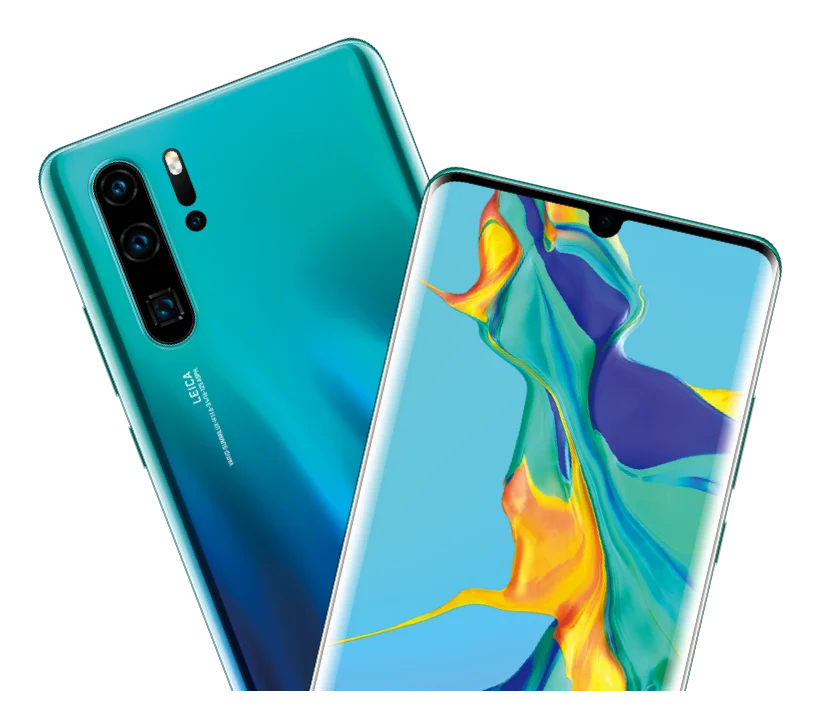
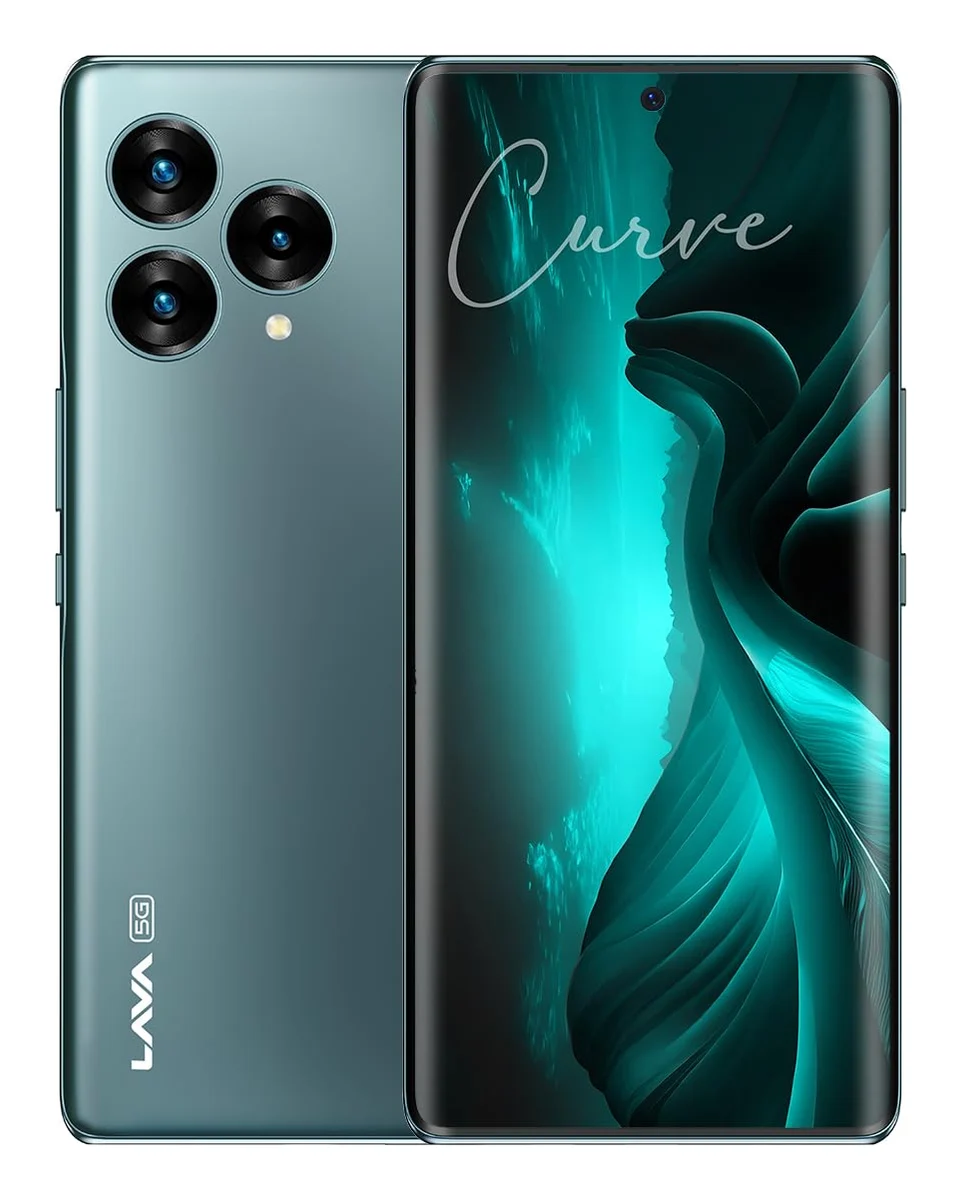
Huawei P30 Pro vs Lava Blaze Curve 5G
Huawei P30 Pro: Huawei Kirin 980, released Mar 26, 2019, $999
Lava Blaze Curve 5G: MediaTek Dimensity 7050, released Mar 11, 2024
The Lava Blaze Curve 5G is 60 months newer.
InnoReviews verdict
Lava Blaze Curve 5G wins this phone face-off, 41.4 to 39, pulling ahead mainly in performance (+1). Huawei P30 Pro is the better pick for OS update pledge and wired charging.
Key differences
Reasons to pick the Huawei P30 Pro
- 1 more year of OS updates: 3 years vs 2 years
- 21% higher wired charging: 40 W vs 33 W
- Ultra-wide: 20 MP vs 8 MP
- Has OIS — the other doesn't
- Has NFC — the other doesn't
Reasons to pick the Lava Blaze Curve 5G
- 100% higher refresh rate: 120 Hz vs 60 Hz
- 19% higher capacity: 5,000 mAh vs 4,200 mAh
- Main camera: 64 MP vs 40 MP
- Has 5G — the other doesn't
- Has stereo speakers — the other doesn't
Huawei P30 Pro vs Lava Blaze Curve 5G: benchmarks
We have no benchmark result for the Huawei P30 Pro itself yet, so its bars show its chip's published results, tagged as the chip's
Not drawn side by side, because only one device has a published result or the two come from different versions:
- Geekbench 5 (single): Huawei P30 Pro 707 chip result · via Huawei Kirin 980; Geekbench 6 (single): Lava Blaze Curve 5G 1,099
- Geekbench 5 (multi): Huawei P30 Pro 2,558 chip result · via Huawei Kirin 980; Geekbench 6 (multi): Lava Blaze Curve 5G 2,632
Which would you pick?
Huawei P30 Pro vs Lava Blaze Curve 5G: full specs
Display
| Spec | Huawei P30 Pro | Lava Blaze Curve 5G |
|---|---|---|
| Screen size | 6.47 ″ | 6.67 ″+3% |
| Panel type | OLED | AMOLED |
| Resolution | 2340x1080 | 1080x2400 |
| Pixel density | 398 ppi+1% | 395 ppi |
| Refresh rate | 60 Hz | 120 Hz+100% |
| Peak brightness | — | 800 nits |
| Screen-to-body | — | 89.7 % |
Performance
| Spec | Huawei P30 Pro | Lava Blaze Curve 5G |
|---|---|---|
| Chipset | Huawei Kirin 980 | MediaTek Dimensity 7050 |
| Geekbench 6 (single) | — | 1,099Bottom 42% |
| Geekbench 6 (multi) | — | 2,632Bottom 29% |
| RAM (max) | 8 GB | 8 GB |
| Storage options | 128GB / 256GB / 512GB | 128/256GB |
| Storage type | UFS 2.1 | UFS 3.1 |
Camera
| Spec | Huawei P30 Pro | Lava Blaze Curve 5G |
|---|---|---|
| Main camera | 40 MP | 64 MP+60% |
| Main aperture | f/1.6 | f/1.9 |
| Ultra-wide | 20 MP+150% | 8 MP |
| Telephoto | 8 MP | — |
| Optical zoom | 5 x | — |
| Max video | 4K@30fps | 4K@30fps |
| Front camera | 32 MP | 32 MP |
| OIS | Yes | No |
Battery
| Spec | Huawei P30 Pro | Lava Blaze Curve 5G |
|---|---|---|
| Capacity | 4,200 mAh | 5,000 mAh+19% |
| Wired charging | 40 W+21% | 33 W |
| Wireless charging | 15 W | — |
Design
| Spec | Huawei P30 Pro | Lava Blaze Curve 5G |
|---|---|---|
| Weight | 192 g | 189 g+2% |
| Thickness | 8.4 mm+5% | 8.8 mm |
| IP rating | IP68 | — |
| Frame material | Aluminum | — |
Connectivity
| Spec | Huawei P30 Pro | Lava Blaze Curve 5G |
|---|---|---|
| 5G | No | Yes |
| Wi-Fi | Wi-Fi 5 | Wi-Fi 6 |
| Bluetooth | 5.0 | 5.2 |
| NFC | Yes | No |
| USB | USB-C 3.1 | USB Type-C 2.0 |
| eSIM | No | — |
Software
| Spec | Huawei P30 Pro | Lava Blaze Curve 5G |
|---|---|---|
| OS at launch | Android 9 (EMUI 9.1) | Android 13 |
| OS update pledge | 3 years+50% | 2 years |
Audio
| Spec | Huawei P30 Pro | Lava Blaze Curve 5G |
|---|---|---|
| Stereo speakers | No | Yes |
| 3.5mm jack | No | No |
Quick answers
Which is better: Huawei P30 Pro or Lava Blaze Curve 5G?
Lava Blaze Curve 5G wins this phone face-off, 41.4 to 39, pulling ahead mainly in performance (+1). Huawei P30 Pro is the better pick for OS update pledge and wired charging.
How do the scores compare?
Huawei P30 Pro scores 39/100 overall; Lava Blaze Curve 5G scores 41.4/100. Huawei P30 Pro wins 7 individual spec rows, Lava Blaze Curve 5G wins 7.
What are the main differences between the Huawei P30 Pro and the Lava Blaze Curve 5G?
Huawei P30 Pro advantages: 1 more year of OS updates: 3 years vs 2 years; 21% higher wired charging: 40 W vs 33 W; Ultra-wide: 20 MP vs 8 MP; Has OIS — the other doesn't; Has NFC — the other doesn't. Lava Blaze Curve 5G advantages: 100% higher refresh rate: 120 Hz vs 60 Hz; 19% higher capacity: 5,000 mAh vs 4,200 mAh; Main camera: 64 MP vs 40 MP; Has 5G — the other doesn't; Has stereo speakers — the other doesn't.
Use this on your site or forum
Copy a ready-made link. Scores on this page update as new results are published, so the link always leads to the current figures.