Qualcomm Snapdragon 778G vs Unisoc Tiger T820
Qualcomm Snapdragon 778G: released May 19, 2021
Unisoc Tiger T820: released May 23, 2023
The Unisoc Tiger T820 is 24 months newer.
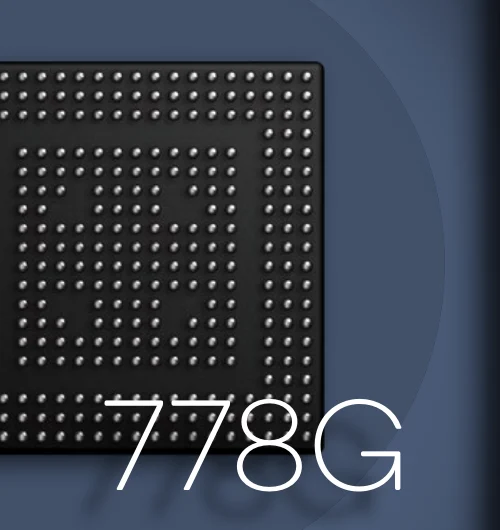
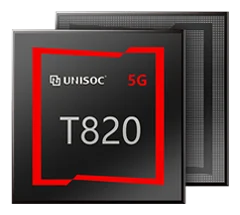
InnoReviews verdict
Qualcomm Snapdragon 778G wins this mobile chipset face-off, 36.6 to 33.7, pulling ahead mainly in CPU (+3) and GPU (+1). Unisoc Tiger T820 still makes sense if its price or standout specs fit your needs better.
Key differences
Reasons to pick the Qualcomm Snapdragon 778G
- 48% higher Geekbench 6 (single): 1,022 vs 690
- 33% higher Geekbench 6 (multi): 2,987 vs 2,250
- 23% higher 3DMark Wild Life Extreme: 688 vs 559
- 199% higher max bandwidth: 51.2 GB/s vs 17.1 GB/s
- 17% lower TDP (typical): 5 W vs 6 W
Reasons to pick the Unisoc Tiger T820
- 13% higher max clock: 2.7 GHz vs 2.4 GHz
Which would you pick?
Qualcomm Snapdragon 778G vs Unisoc Tiger T820: full specs
General
| Spec | Qualcomm Snapdragon 778G | Unisoc Tiger T820 |
|---|---|---|
| Announced | 2021 | 2023 |
| Process | 6 nm | 6 nm |
| TDP (typical) | 5 W+17% | 6 W |
| Architecture | Armv8.2 | Armv8.2 |
CPU
| Spec | Qualcomm Snapdragon 778G | Unisoc Tiger T820 |
|---|---|---|
| Cores | 8 | 8 |
| Core configuration | 1x2.4 GHz Cortex-A78 + 3x2.2 GHz Cortex-A78 + 4x1.9 GHz Cortex-A55 | 1x2.7 GHz Cortex-A76 + 3x2.3 GHz Cortex-A76 + 4x2.1 GHz Cortex-A55 |
| Max clock | 2.4 GHz | 2.7 GHz+13% |
GPU
| Spec | Qualcomm Snapdragon 778G | Unisoc Tiger T820 |
|---|---|---|
| GPU | Adreno 642L | Arm Mali-G57 MP4 |
AI
| Spec | Qualcomm Snapdragon 778G | Unisoc Tiger T820 |
|---|---|---|
| NPU | Hexagon 770 | — |
Memory
| Spec | Qualcomm Snapdragon 778G | Unisoc Tiger T820 |
|---|---|---|
| Memory type | LPDDR5-6400 | LPDDR4X-2133 |
| Max bandwidth | 51.2 GB/s+199% | 17.1 GB/s |
Connectivity
| Spec | Qualcomm Snapdragon 778G | Unisoc Tiger T820 |
|---|---|---|
| Modem | Snapdragon X53 5G | Integrated 5G (sub-6) |
| Max download | 3.7 Gbps | — |
| Wi-Fi | Wi-Fi 6E | Wi-Fi 6 |
| Bluetooth | 5.2 | 5.2 |
Media
| Spec | Qualcomm Snapdragon 778G | Unisoc Tiger T820 |
|---|---|---|
| Max display | FHD+ @ 144Hz | FHD+ @ 120Hz |
| Video capture | 4K@30fps | 4K@30fps |
Benchmarks
| Spec | Qualcomm Snapdragon 778G | Unisoc Tiger T820 |
|---|---|---|
| AnTuTu | 784,274Bottom 29% | — |
| AnTuTu 11 (CPU) | 310,105Bottom 37% | — |
| AnTuTu 11 (GPU) | 95,255Bottom 24% | — |
| AnTuTu 11 (Memory) | 162,954Bottom 39% | — |
| AnTuTu 11 (UX) | 215,960Bottom 26% | — |
| Geekbench 6 (single) | 1,022+48%Bottom 48% | 690Bottom 23% |
| Geekbench 6 (multi) | 2,987+33%Top 49% | 2,250Bottom 39% |
| 3DMark Wild Life Extreme | 688+23%Bottom 45% | 559Bottom 40% |
Quick answers
Which is better: Qualcomm Snapdragon 778G or Unisoc Tiger T820?
Qualcomm Snapdragon 778G wins this mobile chipset face-off, 36.6 to 33.7, pulling ahead mainly in CPU (+3) and GPU (+1). Unisoc Tiger T820 still makes sense if its price or standout specs fit your needs better.
How do the scores compare?
Qualcomm Snapdragon 778G scores 36.6/100 overall; Unisoc Tiger T820 scores 33.7/100. Qualcomm Snapdragon 778G wins 5 individual spec rows, Unisoc Tiger T820 wins 2.
What are the main differences between the Qualcomm Snapdragon 778G and the Unisoc Tiger T820?
Qualcomm Snapdragon 778G advantages: 48% higher Geekbench 6 (single): 1,022 vs 690; 33% higher Geekbench 6 (multi): 2,987 vs 2,250; 23% higher 3DMark Wild Life Extreme: 688 vs 559; 199% higher max bandwidth: 51.2 GB/s vs 17.1 GB/s; 17% lower TDP (typical): 5 W vs 6 W. Unisoc Tiger T820 advantages: 13% higher max clock: 2.7 GHz vs 2.4 GHz.
Use this on your site or forum
Copy a ready-made link. Scores on this page update as new results are published, so the link always leads to the current figures.