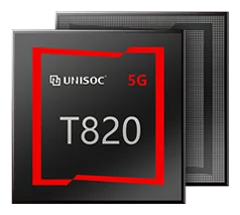
 ZoomPhoto 1 of 1
Unisoc
Unisoc Tiger T820
Also sold as Unisoc T9100
Unisoc's most ambitious chip: a 2.7 GHz A76 prime plus three more A76 cores on 6nm, shipped in the nubia Neo series of budget gaming phones. Respectable numbers from the industry's perennial underdog.
Pros
- Strong CPU cluster for the price
- Budget gaming phone credibility
- 6nm efficiency
Cons
- GPU drivers trail Arm reference quality
- Few devices to choose from
- Brand perception hurts resale
Below average
Computed from specs & benchmarks via our public methodology.
Full specifications
Everything we track for the Unisoc Tiger T820
General
- Announced
- 2023
- Process
- 6 nm
- TDP (typical)
- 6 W
- Architecture
- Armv8.2
CPU
- Cores
- 8
- Core configuration
- 1x2.7 GHz Cortex-A76 + 3x2.3 GHz Cortex-A76 + 4x2.1 GHz Cortex-A55
- Max clock
- 2.7 GHz
GPU
- GPU
- Arm Mali-G57 MP4
Memory
- Memory type
- LPDDR4X-2133
- Max bandwidth
- 17.1 GB/s
Connectivity
- Modem
- Integrated 5G (sub-6)
- Wi-Fi
- Wi-Fi 6
- Bluetooth
- 5.2
Media
- Max display
- FHD+ @ 120Hz
- Video capture
- 4K@30fps
Benchmarks
- AnTuTu (typical)
- 470,000
- Geekbench 6 (single)
- 690Bottom 24%
- Geekbench 6 (multi)
- 2,250Bottom 41%
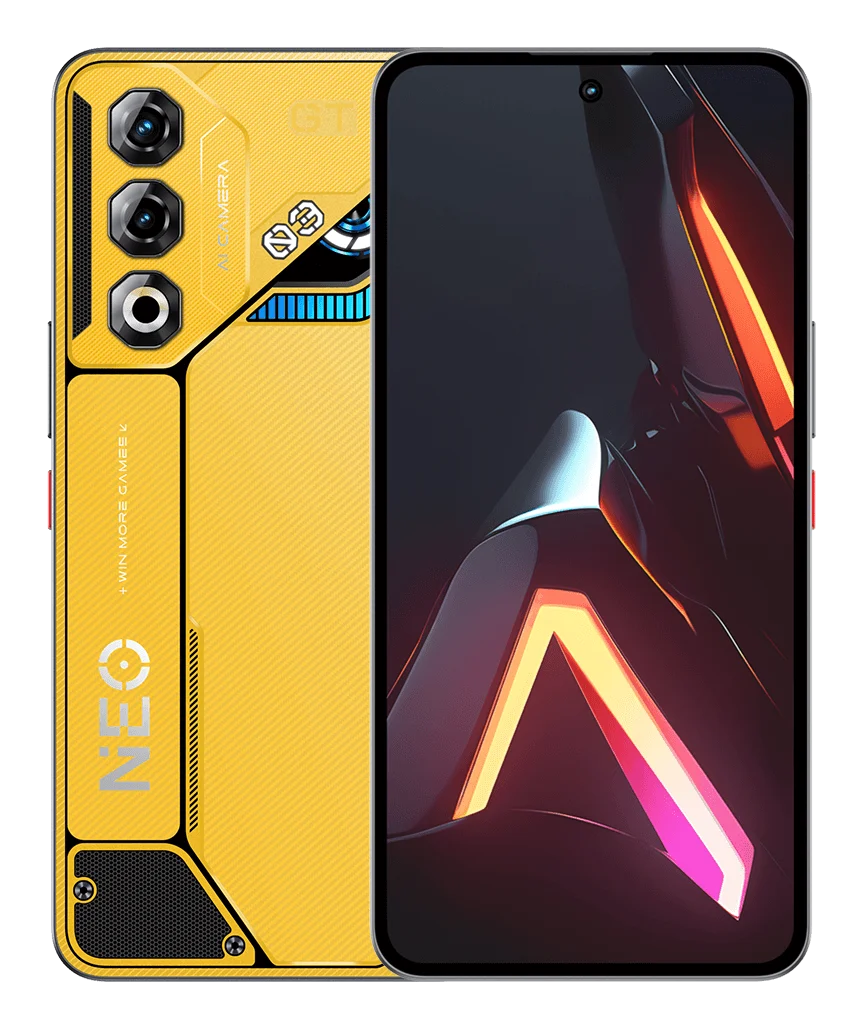
Devices with the Unisoc Tiger T820
1 device in our catalog uses this chip
Quick answers
Is the Unisoc Tiger T820 good in 2026?
The Unisoc Tiger T820 earns an Inno Score of 35.6/100 (“Below average”) based on its specs and benchmark results. Unisoc's most ambitious chip: a 2.7 GHz A76 prime plus three more A76 cores on 6nm, shipped in the nubia Neo series of budget gaming phones. Respectable numbers from the industry's perennial underdog.
What is the Unisoc Tiger T820 AnTuTu score?
The Unisoc Tiger T820 scores 470,000 points in AnTuTu. In Geekbench 6 it reaches 690 single-core and 2,250 multi-core.
Which devices use the Unisoc Tiger T820?
One device in our catalog uses the Unisoc Tiger T820: nubia Neo 3 GT 5G.
What are the key specs of the Unisoc Tiger T820?
Cores: 8 · Process: 6 nm · AnTuTu: 470,000 · GPU: Arm Mali-G57 MP4
What are the closest alternatives to the Unisoc Tiger T820?
Its closest rivals on InnoReviews are MediaTek Dimensity 7060, Qualcomm Snapdragon 6s Gen 3, MediaTek Dimensity 8020 — open the comparison pages for a spec-by-spec breakdown.