 ZoomPhoto 1 of 1
Blackview
Blackview SHARK 9
- Chipset
- Unisoc T820
- Screen size
- 6.67 ″
- Capacity
- 5,000 mAh
- Main camera
- 50 MP
Below average
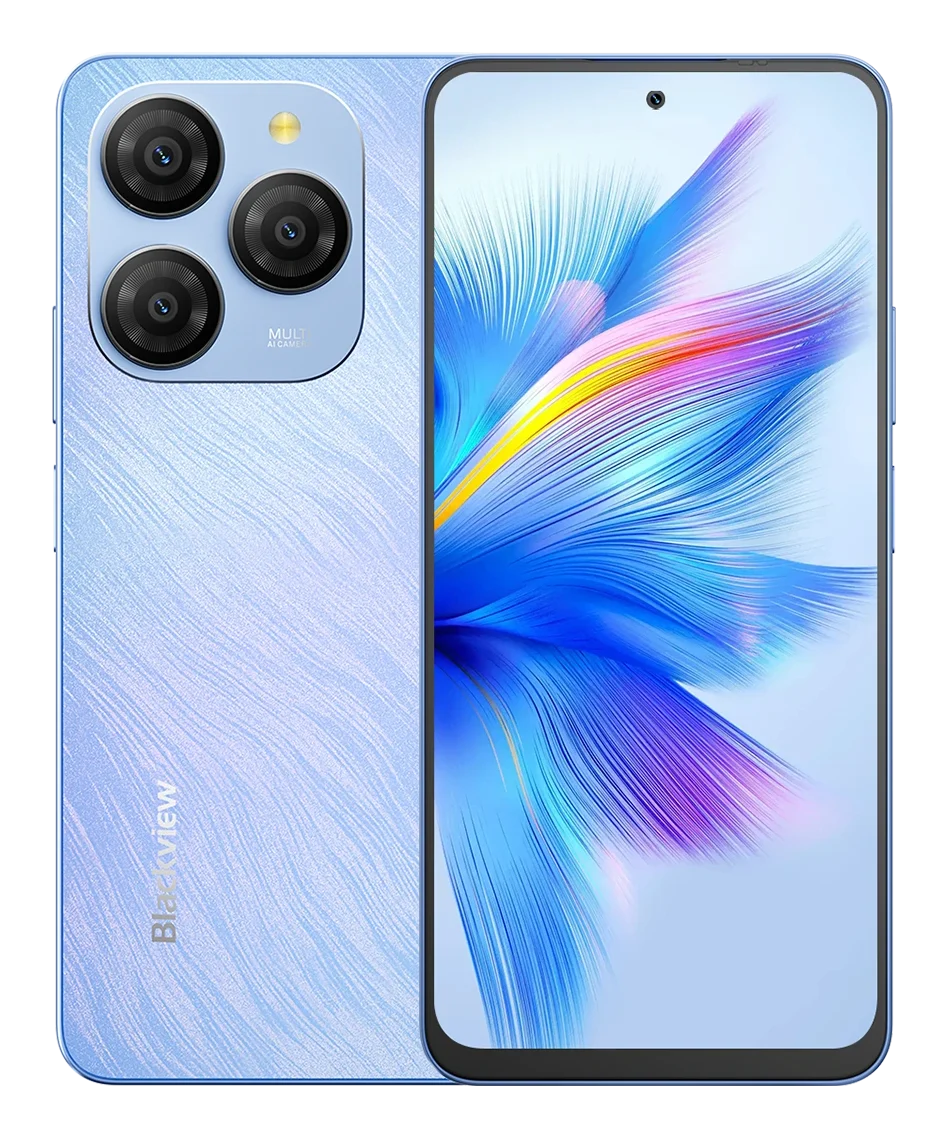
#1,125 of 1,392 phonesBlackview's SHARK 9 is a budget 5G phone with a Unisoc T820 chipset, 8GB RAM, 256GB UFS 2.2 storage, a 6.67-inch 90Hz HD+ LCD and a 5,000mAh battery with 18W charging. It was announced in October 2024 and sales began on AliExpress on 11 November 2024.
Pros
- Unisoc T820 5G chipset with 8GB RAM and 256GB UFS 2.2 storage
- 5,000mAh battery with 18W wired charging in a slim 8.65mm, 200g body
- 6.67-inch 90Hz display with 700 nits peak brightness
- Dual speakers, NFC and a 3.5mm headphone jack
- microSD expansion up to 2TB
Cons
- HD+ (720x1604) resolution gives only about 264ppi on a 6.67-inch panel
- Only a 50MP main camera with 2MP macro and depth sensors, no ultra-wide
- Wi-Fi 5 and Bluetooth 5.0 only
- No IP dust or water rating is listed
Performance uses the published results of the Unisoc Tiger T820, because we have no benchmark result for this device itself yet.
Blackview SHARK 9 benchmarks
We have no benchmark result for the Blackview SHARK 9 itself yet, so its bars show the published results of its chip, the Unisoc Tiger T820, tagged as the chip's
Geekbench 6 (single)
- Redmi 14C 5G chip result · via Qualcomm Snapdragon 4 Gen 2 vs 921
- HONOR Play 60 chip result · via MediaTek Dimensity 6300 vs 783
- Infinix HOT 50 vs 739
- Blackview SHARK 9 chip result · via Unisoc Tiger T820690
- Doogee Note59 Pro chip result · via Unisoc T8200 vs 687
Published results: review runs where we found them, otherwise typical published figures. A chip's figure is normally the median of review runs on devices with that chip.
Geekbench 6 (multi)
- Blackview SHARK 9 chip result · via Unisoc Tiger T8202,250
- Redmi 14C 5G chip result · via Qualcomm Snapdragon 4 Gen 22,246
- Infinix HOT 502,033
- HONOR Play 60 chip result · via MediaTek Dimensity 63001,938
- Doogee Note59 Pro chip result · via Unisoc T82001,709
Published results: review runs where we found them, otherwise typical published figures. A chip's figure is normally the median of review runs on devices with that chip.
Blackview SHARK 9 specs
Everything we track for the Blackview SHARK 9
Display
- Screen size
- 6.67 ″
- Panel type
- IPS LCD
- Resolution
- 720x1604
- Pixel density
- 264 ppi
- Refresh rate
- 90 Hz
- Peak brightness
- 700 nits
- Screen-to-body
- 86.1 %
Performance
- Chipset
- Unisoc T820
- RAM (max)
- 8 GB
- Storage options
- 256GB
- Storage type
- UFS 2.2
Camera
- Main camera
- 50 MP
- Main aperture
- f/1.8
- Max video
- 4K@30fps
- Front camera
- 8 MP
Battery
- Capacity
- 5,000 mAhBattery capacity by year and maker
- Wired charging
- 18 W
Design
- Weight
- 200 g
- Thickness
- 8.7 mm
Connectivity
- 5G
- Yes
- Wi-Fi
- Wi-Fi 5
- Bluetooth
- 5.0
- NFC
- Yes
- USB
- USB-C
Software
- OS at launch
- Android 14 (DokeOS 4.0)
EU energy label (manufacturer-declared)
- Energy class
- BEvery EU label in the registry, compared
- Battery endurance per cycle
- 49.1 hEU battery endurance leaderboard
- Battery cycles to 80% capacity
- 800
- Repairability class
- B
- Drop resistance class
- C
- EPREL registration
- 2394826
Audio
- Stereo speakers
- Yes
- 3.5mm jack
- Yes
Page last updated Nov 23, 2026.
Blackview SHARK 9 FAQ
Is the Blackview SHARK 9 good in 2026?
The Blackview SHARK 9 earns an Inno Score of 35.1/100 (“Below average”), #1,125 of 1,392 phones. Blackview's SHARK 9 is a budget 5G phone with a Unisoc T820 chipset, 8GB RAM, 256GB UFS 2.2 storage, a 6.67-inch 90Hz HD+ LCD and a 5,000mAh battery with 18W charging. It was announced in October 2024 and sales began on AliExpress on 11 November 2024.
What are the key specs of the Blackview SHARK 9?
Chipset: Unisoc T820 · Screen size: 6.67 ″ · Capacity: 5,000 mAh · Main camera: 50 MP
What are the closest alternatives to the Blackview SHARK 9?
Its closest rivals on InnoReviews are HONOR Play 60, realme C73 5G, realme NARZO 80 Lite 5G — open the comparison pages for a spec-by-spec breakdown.
Use this on your site or forum
Copy a ready-made link. Scores on this page update as new results are published, so the link always leads to the current figures.