 ZoomPhoto 1 of 1
Qualcomm
Qualcomm Snapdragon 4 Gen 2
Qualcomm's push to make 5G cheap: a 4nm entry chip with two Cortex-A78 cores and an Adreno 613, aimed at phones like the POCO M6 Pro 5G. The advanced node buys real battery life, but a 1080p video ceiling and Wi-Fi 5 mark exactly where the money was saved.
Pros
- 4nm process is unusual at this price point
- Genuine all-day battery endurance
- LPDDR5 memory support in an entry chip
- Brought 5G to sub-$150 phones
Cons
- Adreno 613 is the weakest GPU in its class
- Video capture capped at 1080p
- Wi-Fi 5 and Bluetooth 5.1 only
Below average
Computed from specs & benchmarks via our public methodology.
Full specifications
Everything we track for the Qualcomm Snapdragon 4 Gen 2
General
- Announced
- 2023
- Process
- 4 nm
- TDP (typical)
- 5 W
- Architecture
- Armv8.2
CPU
- Cores
- 8
- Core configuration
- 2x2.2 GHz Cortex-A78 + 6x2.0 GHz Cortex-A55
- Max clock
- 2.2 GHz
GPU
- GPU
- Adreno 613
AI
- NPU
- Hexagon NPU
Memory
- Memory type
- LPDDR5-6400
Connectivity
- Modem
- Snapdragon X61 5G
- Max download
- 2.5 Gbps
- Wi-Fi
- Wi-Fi 5
- Bluetooth
- 5.1
Media
- Max display
- FHD+ @ 120Hz
- Video capture
- 1080p@60fps
Benchmarks
- AnTuTu (typical)
- 452,000
- Geekbench 6 (single)
- 924Bottom 41%
- Geekbench 6 (multi)
- 2,051Bottom 35%
- 3DMark Wild Life Extreme
- 340Bottom 16%
Devices with the Qualcomm Snapdragon 4 Gen 2
27 devices in our catalog use this chip


Quick answers
Is the Qualcomm Snapdragon 4 Gen 2 good in 2026?
The Qualcomm Snapdragon 4 Gen 2 earns an Inno Score of 34.9/100 (“Below average”) based on its specs and benchmark results. Qualcomm's push to make 5G cheap: a 4nm entry chip with two Cortex-A78 cores and an Adreno 613, aimed at phones like the POCO M6 Pro 5G. The advanced node buys real battery life, but a 1080p video ceiling and Wi-Fi 5 mark exactly where the money was saved.
What is the Qualcomm Snapdragon 4 Gen 2 AnTuTu score?
The Qualcomm Snapdragon 4 Gen 2 scores 452,000 points in AnTuTu. In Geekbench 6 it reaches 924 single-core and 2,051 multi-core.
Which devices use the Qualcomm Snapdragon 4 Gen 2?
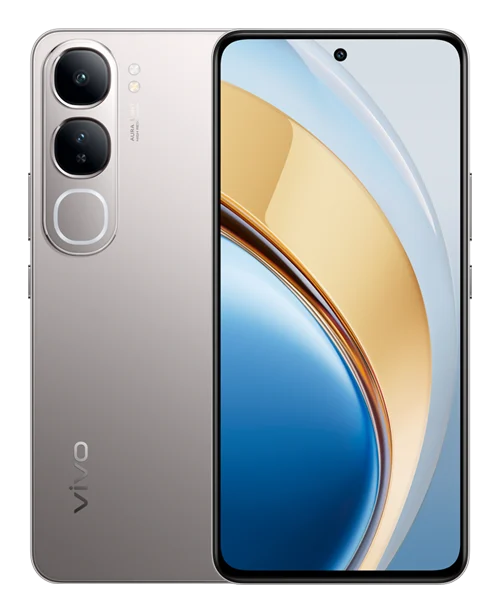
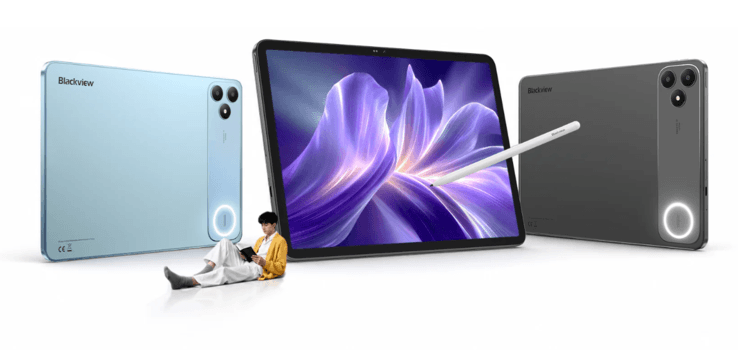
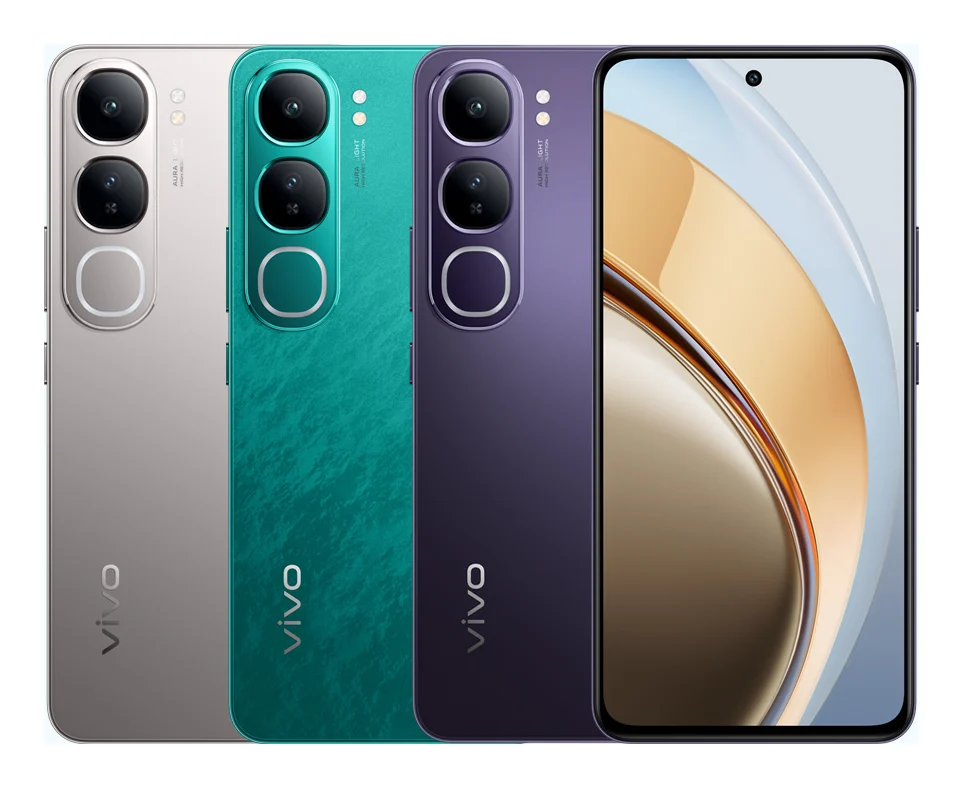
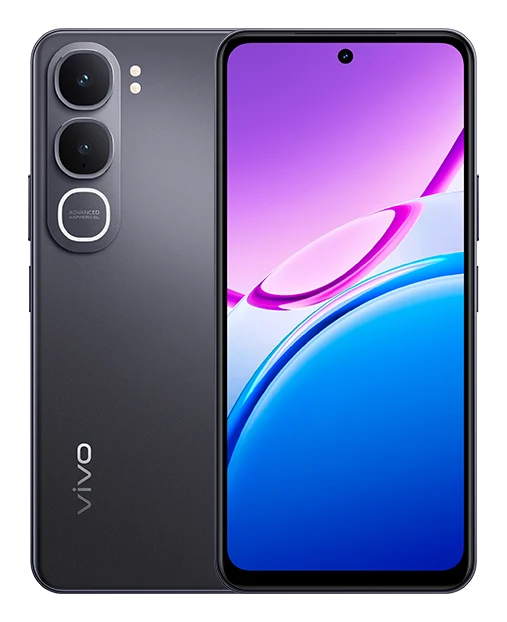
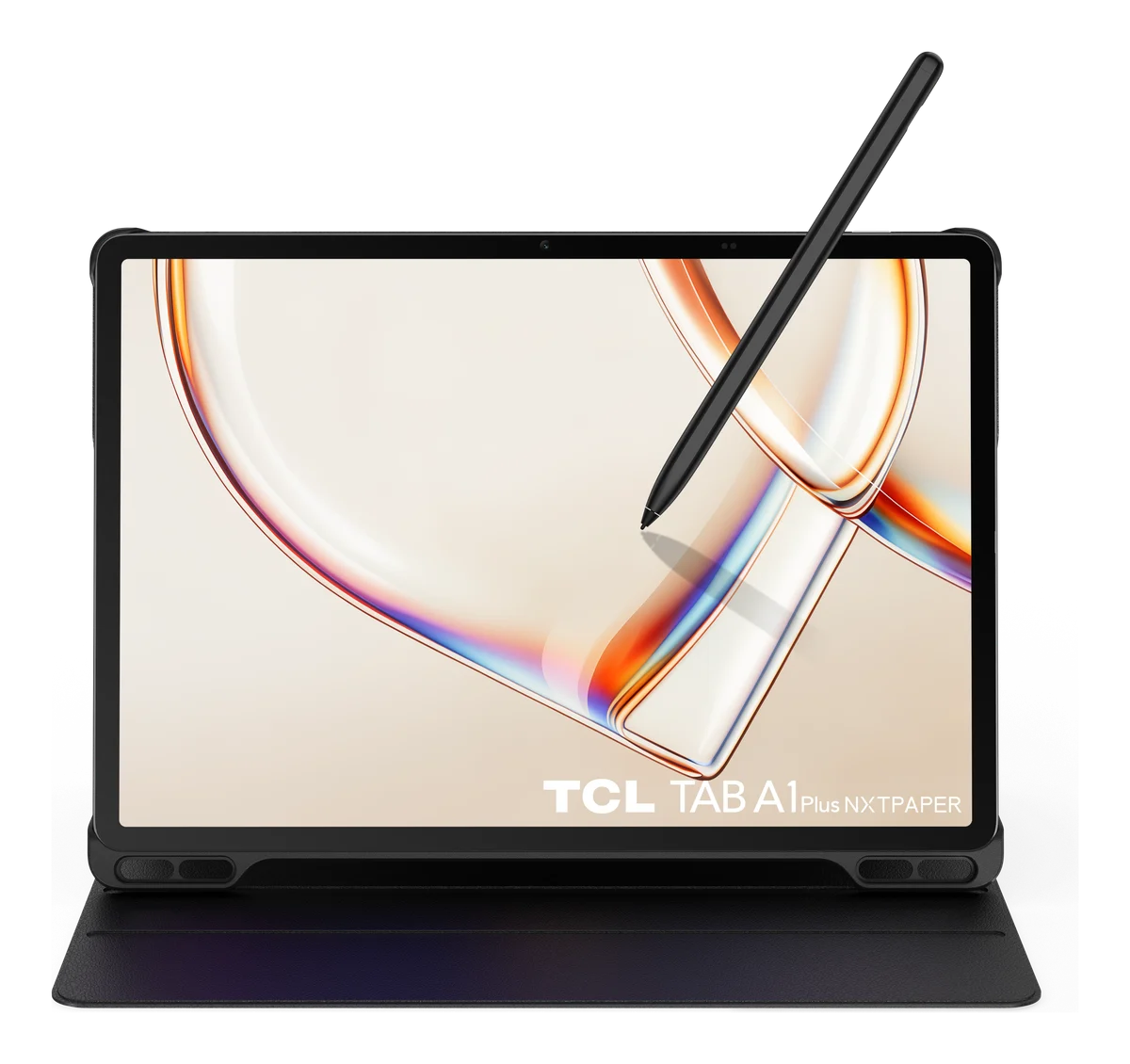
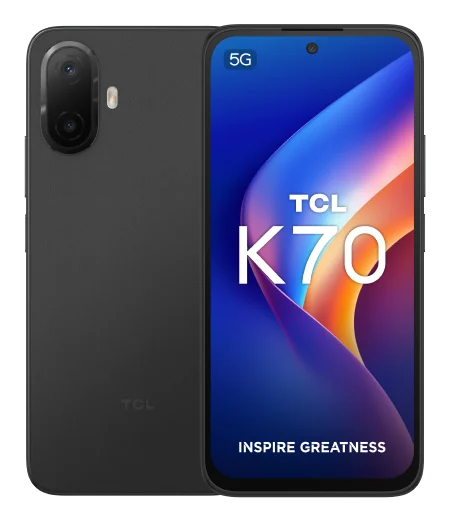
27 devices in our catalog use the Qualcomm Snapdragon 4 Gen 2: vivo Y400 5G, vivo V40 Lite 5G, Blackview Zeno 6 Pro, vivo Y300 5G, vivo Y31s 5G, and more.
What are the key specs of the Qualcomm Snapdragon 4 Gen 2?
Cores: 8 · Process: 4 nm · AnTuTu: 452,000 · GPU: Adreno 613
What are the closest alternatives to the Qualcomm Snapdragon 4 Gen 2?
Its closest rivals on InnoReviews are Huawei Kirin 990 5G, MediaTek Dimensity 7050, Qualcomm Snapdragon 685 — open the comparison pages for a spec-by-spec breakdown.