 ZoomPhoto 1 of 1
Apple
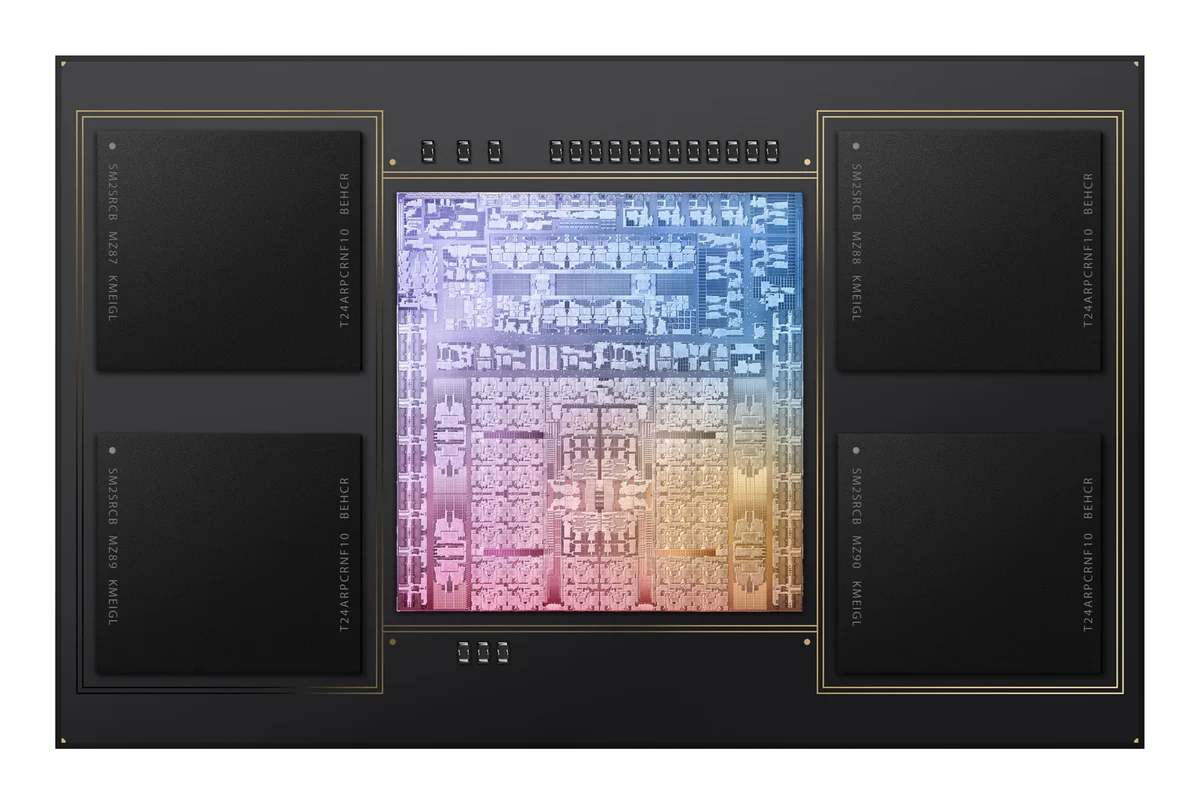
Apple M3 Max (16-core)
The chip that made desktop-class rendering portable: 12 performance cores and a 40-core ray-tracing GPU let the 2023 MacBook Pro finish jobs on battery that tower workstations once owned, a year before M4 raised the bar.
Pros
- Workstation-class multi-core in a 14-inch chassis
- 40-core GPU with hardware ray tracing
- Up to 128GB unified memory at 400GB/s
- Sustains full performance on battery
- Dual ProRes engines accelerate video work
Cons
- Locked to expensive MacBook Pro configurations
- No memory or storage upgrades after purchase
- Superseded by M4 Max within a year
Very good
Computed from specs & benchmarks via our public methodology.
Full specifications
Everything we track for the Apple M3 Max (16-core)
General
- Announced
- 2023
- Process
- 3 nm
Cores & Clocks
- Cores
- 16
- Performance cores
- 12
- Efficiency cores
- 4
- Threads
- 16
- Boost clock
- 4.1 GHz
Integrated GPU
- iGPU
- Apple 40-core GPU
Memory
- Memory support
- LPDDR5-6400
- Max memory
- 128 GB
Benchmarks
- Geekbench 6 (single)
- 3,130Top 11%
- Geekbench 6 (multi)
- 21,200Top 6%
- Cinebench R23 (single)
- 1,950Top 27%
- Cinebench R23 (multi)
- 24,200Top 12%
- PassMark
- 41,192Top 12%
- PassMark (single thread)
- 4,780Top 4%
Devices with the Apple M3 Max (16-core)
1 device in our catalog uses this chip
Quick answers
Is the Apple M3 Max (16-core) good in 2026?
The Apple M3 Max (16-core) earns an Inno Score of 72.9/100 (“Very good”) based on its specs and benchmark results. The chip that made desktop-class rendering portable: 12 performance cores and a 40-core ray-tracing GPU let the 2023 MacBook Pro finish jobs on battery that tower workstations once owned, a year before M4 raised the bar.
Does the Apple M3 Max (16-core) count as "Core i7 or equivalent"?
Its PassMark CPU Mark average is 41,192 (cpubenchmark.net, retrieved Sep 26–Oct 8, 2026), which puts it in Tier A of our CPU tier checker: current Core i7 H / Core Ultra 7 / Ryzen 7 class and above. It is an Arm-based chip, so a requirement that asks specifically for an Intel or AMD (x86-64) processor excludes it. Requirement pages word this differently, so check the exact wording with your department.
Which devices use the Apple M3 Max (16-core)?
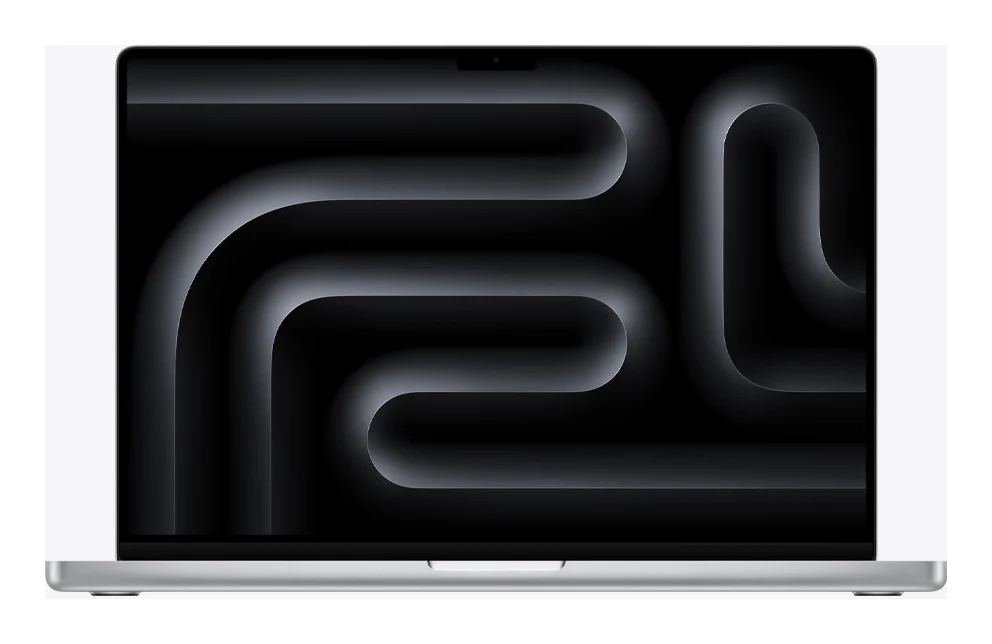
One device in our catalog uses the Apple M3 Max (16-core): Apple MacBook Pro 16 (M3 Max).
What are the key specs of the Apple M3 Max (16-core)?
Cores: 16 · Threads: 16 · Boost clock: 4.1 GHz
What are the closest alternatives to the Apple M3 Max (16-core)?
Its closest rivals on InnoReviews are Intel Core Ultra 9 290HX Plus, Qualcomm Snapdragon X2 Elite X2E-94-100, Qualcomm Snapdragon X2 Elite X2E-88-100 — open the comparison pages for a spec-by-spec breakdown.