 ZoomPhoto 1 of 1
NVIDIA
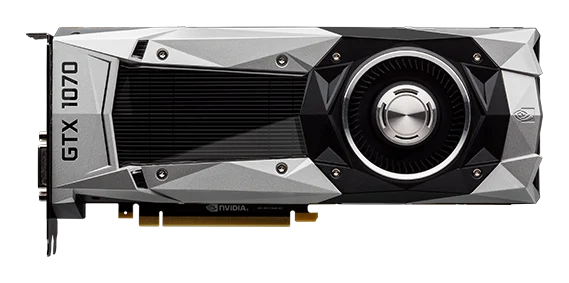
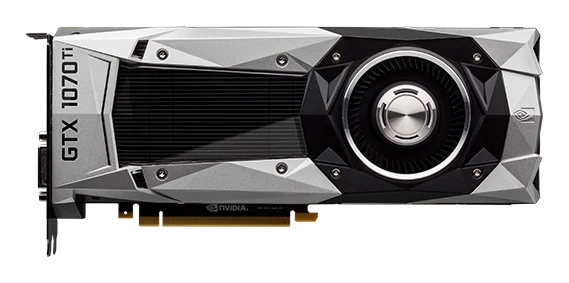
NVIDIA GeForce GTX 1070 Ti
A near-full GP104 die squeezed between NVIDIA's own GTX 1070 and 1080: 2432 CUDA cores, 8GB of GDDR5, and a 180W reference design priced at $450 to answer AMD's Radeon RX Vega 56.
Pros
- 2432 CUDA cores bring it within reach of GTX 1080 performance
- 8GB of GDDR5 on a 256-bit bus gives real headroom at 1440p
- 180W TDP runs from a single 8-pin connector, simplifying PSU needs
- 16nm Pascal process keeps clocks high at up to 1683 MHz boost
Cons
- $450 launch price sat awkwardly close to the cheaper GTX 1070 and pricier GTX 1080
- NVIDIA required board partners to ship at reference clocks, limiting factory overclocks
- GDDR5 and 256 GB/s bandwidth trail the GDDR5X fitted to the GTX 1080
- Superseded within two years by RTX 20-series cards with hardware ray tracing
Below average
Computed from specs & benchmarks via our public methodology.
Full specifications
Everything we track for the NVIDIA GeForce GTX 1070 Ti
General
- Announced
- 2017
- Architecture
- Pascal
- Process
- 16 nm
- TDP
- 180 W
- Power connector
- 1x 8-pin
Cores & Clocks
- Shading units
- 2,432
- Base clock
- 1,607 MHz
- Boost clock
- 1,683 MHz
Memory
- VRAM
- 8 GB
- VRAM type
- GDDR5
- Bus width
- 256 bit
- Bandwidth
- 256 GB/s
Benchmarks
- 3DMark Time Spy
- 6,838Bottom 23%
- PassMark G3D
- 14,679Bottom 31%
Quick answers
Is the NVIDIA GeForce GTX 1070 Ti good in 2026?
The NVIDIA GeForce GTX 1070 Ti earns an Inno Score of 36.8/100 (“Below average”) based on its specs and benchmark results. A near-full GP104 die squeezed between NVIDIA's own GTX 1070 and 1080: 2432 CUDA cores, 8GB of GDDR5, and a 180W reference design priced at $450 to answer AMD's Radeon RX Vega 56.
What are the key specs of the NVIDIA GeForce GTX 1070 Ti?
VRAM: 8 GB · Boost clock: 1,683 MHz · TDP: 180 W · 3DMark Time Spy: 6,838
What are the closest alternatives to the NVIDIA GeForce GTX 1070 Ti?
Its closest rivals on InnoReviews are NVIDIA GeForce GTX 1070, NVIDIA GeForce GTX 1660 Super, NVIDIA GeForce GTX 1660 Ti — open the comparison pages for a spec-by-spec breakdown.