 ZoomPhoto 1 of 1
NVIDIA
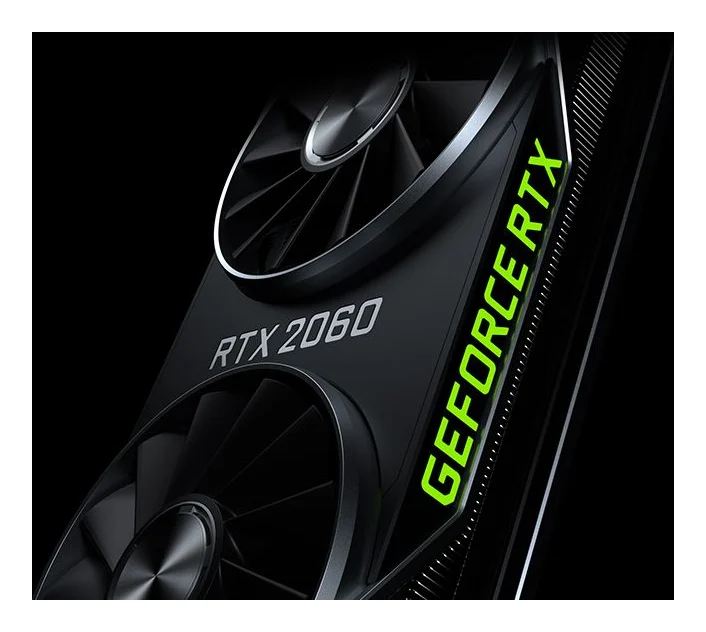
NVIDIA GeForce RTX 2060
The card that made ray tracing affordable in 2019: 1,920 Turing CUDA cores, 30 RT cores and 6GB of GDDR6 on a 192-bit bus for $349. DLSS support has kept it relevant far longer than its raw 1080p raster numbers suggest.
Pros
- First sub-$350 GPU with RT and tensor hardware
- Still a capable 1080p high-settings card
- 336GB/s from a 192-bit bus
- Modest 160W draw on one 8-pin
Cons
- 6GB of VRAM is now the limiting factor
- Ray tracing is largely a checkbox at this performance tier
- No frame generation support
Below average
Computed from specs & benchmarks via our public methodology.
Full specifications
Everything we track for the NVIDIA GeForce RTX 2060
General
- Announced
- 2019
- Architecture
- Turing
- Process
- 12 nm
- TDP
- 160 W
- Power connector
- 1x 8-pin
Cores & Clocks
- Shading units
- 1,920
- RT cores
- 30
- Tensor / AI cores
- 240
- Base clock
- 1,365 MHz
- Boost clock
- 1,680 MHz
Memory
- VRAM
- 6 GB
- VRAM type
- GDDR6
- Bus width
- 192 bit
- Bandwidth
- 336 GB/s
Benchmarks
- 3DMark Time Spy
- 7,563Bottom 32%
- 3DMark Speed Way
- 1,399Bottom 10%
- PassMark G3D
- 14,072Bottom 34%
- 1080p Ultra
- 51 fpsBottom 5%
- 1440p Ultra
- 35 fpsBottom 5%
- 4K Ultra
- 19 fpsBottom 5%
Features
- Upscaling
- DLSS 4 (no FG)
Quick answers
Is the NVIDIA GeForce RTX 2060 good in 2026?
The NVIDIA GeForce RTX 2060 earns an Inno Score of 37.8/100 (“Below average”) based on its specs and benchmark results. The card that made ray tracing affordable in 2019: 1,920 Turing CUDA cores, 30 RT cores and 6GB of GDDR6 on a 192-bit bus for $349. DLSS support has kept it relevant far longer than its raw 1080p raster numbers suggest.
What are the key specs of the NVIDIA GeForce RTX 2060?
VRAM: 6 GB · Boost clock: 1,680 MHz · TDP: 160 W · 3DMark Time Spy: 7,563
What are the closest alternatives to the NVIDIA GeForce RTX 2060?
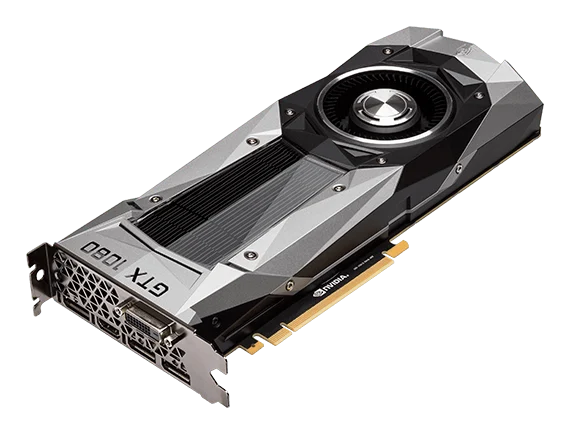
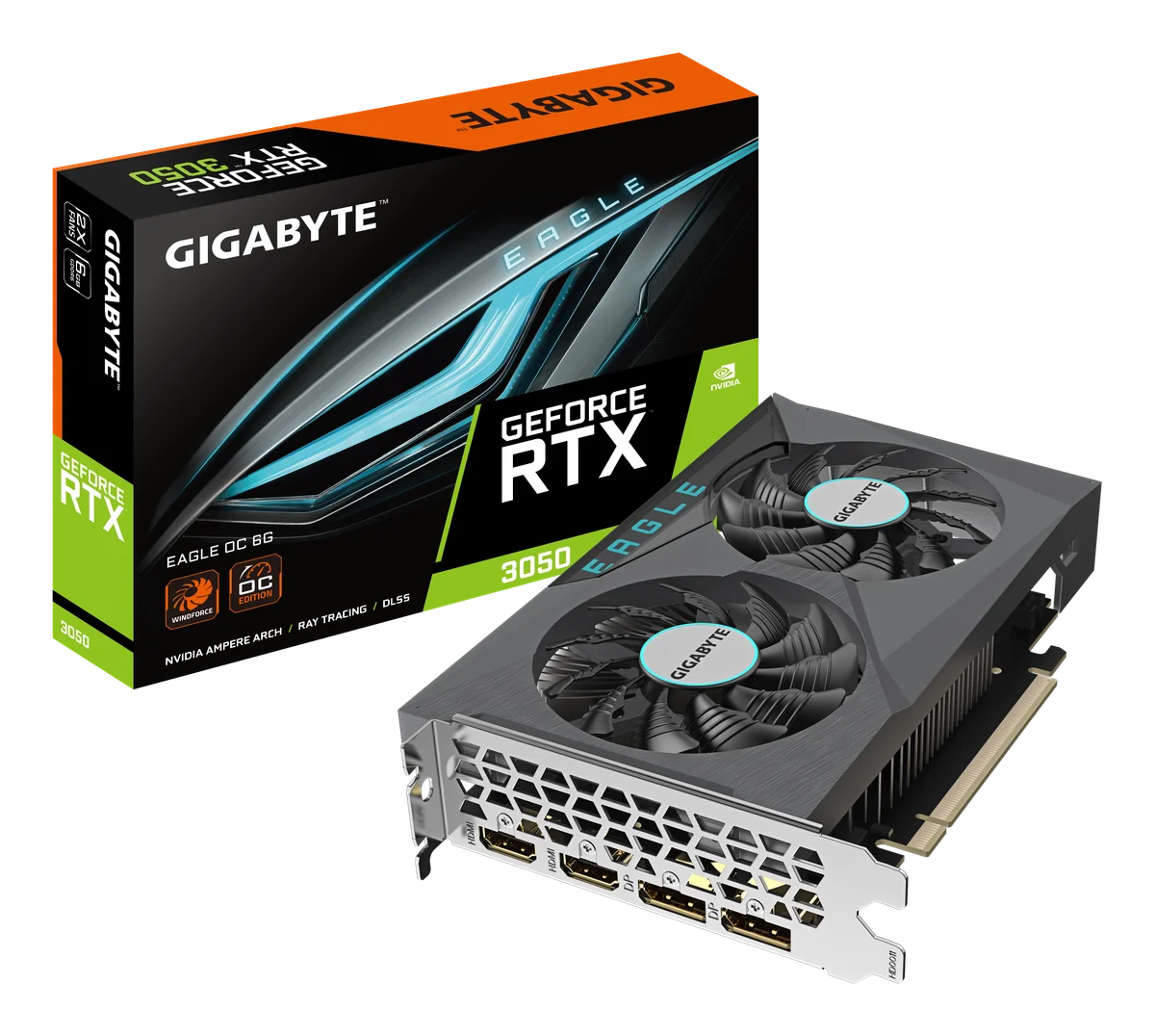
Its closest rivals on InnoReviews are NVIDIA GeForce GTX 1080, NVIDIA GeForce RTX 3050, AMD Radeon RX Vega 56 — open the comparison pages for a spec-by-spec breakdown.