NVIDIA
NVIDIA RTX 5000 Ada Generation
The NVIDIA RTX 5000 Ada Generation is a dual-slot workstation graphics card with 12,800 CUDA cores and 32 GB of ECC GDDR6 memory. It is rated at 250 W and aimed at professional design, rendering and AI work.
Pros
- 32 GB of ECC GDDR6 memory for large datasets and scenes
- Third-generation RT cores and fourth-generation Tensor cores
- Dual-slot design with four DisplayPort 1.4a outputs
- 250 W power rating for a card of this class
Cons
- Launch price around $4,000 is high for most buyers
- Needs a 16-pin power connector
- Workstation card, not tuned for gaming value
Good
Computed from specs & benchmarks via our public methodology.
Full specifications
Everything we track for the NVIDIA RTX 5000 Ada Generation
General
- Announced
- 2023
- Architecture
- Ada Lovelace
- Process
- 4 nm
- TDP
- 250 W
- Power connector
- 1x 16-pin
Cores & Clocks
- Shading units
- 12,800
- RT cores
- 100
- Tensor / AI cores
- 400
Memory
- VRAM
- 32 GB
- VRAM type
- GDDR6
- Bus width
- 256 bit
- Bandwidth
- 576 GB/s
Benchmarks
- 3DMark Time Spy
- 18,676Top 25%
- 3DMark Speed Way
- 6,871Top 12%
- PassMark G3D
- 30,951Top 10%
Features
- Upscaling
- DLSS 3
Quick answers
Is the NVIDIA RTX 5000 Ada Generation good in 2026?
The NVIDIA RTX 5000 Ada Generation earns an Inno Score of 60.8/100 (“Good”) based on its specs and benchmark results. The NVIDIA RTX 5000 Ada Generation is a dual-slot workstation graphics card with 12,800 CUDA cores and 32 GB of ECC GDDR6 memory. It is rated at 250 W and aimed at professional design, rendering and AI work.
What are the key specs of the NVIDIA RTX 5000 Ada Generation?
VRAM: 32 GB · TDP: 250 W · 3DMark Time Spy: 18,676
What are the closest alternatives to the NVIDIA RTX 5000 Ada Generation?
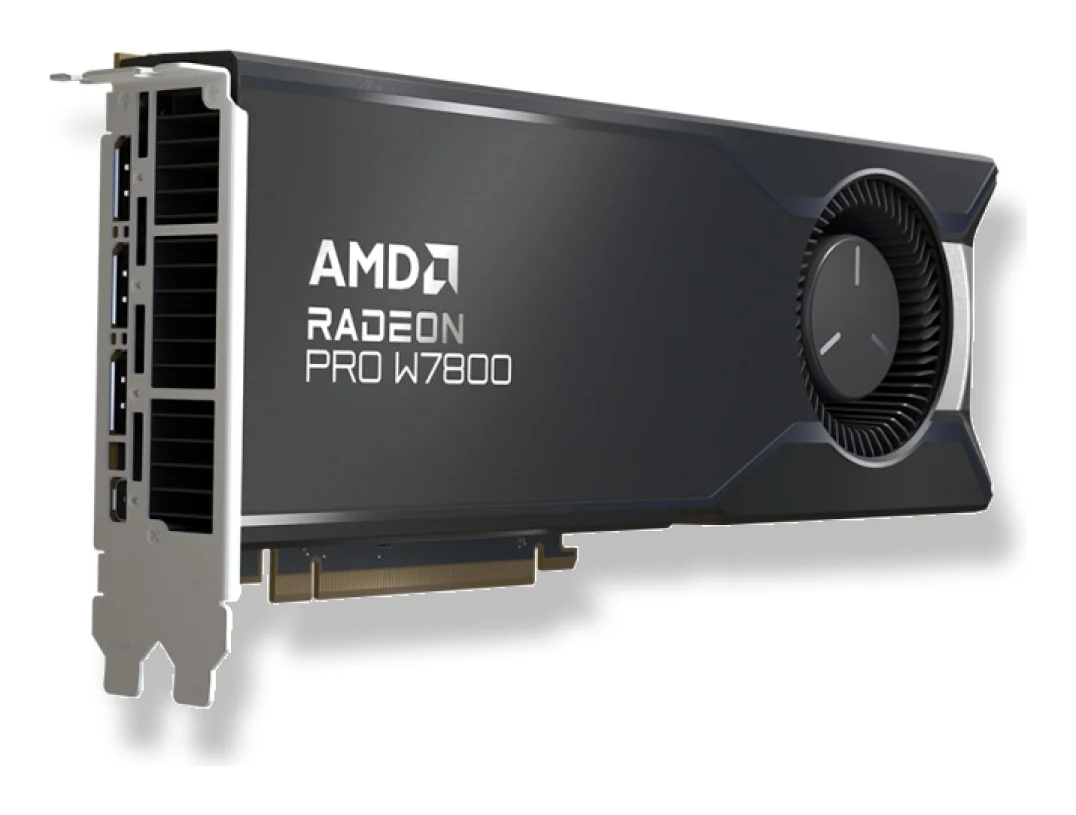
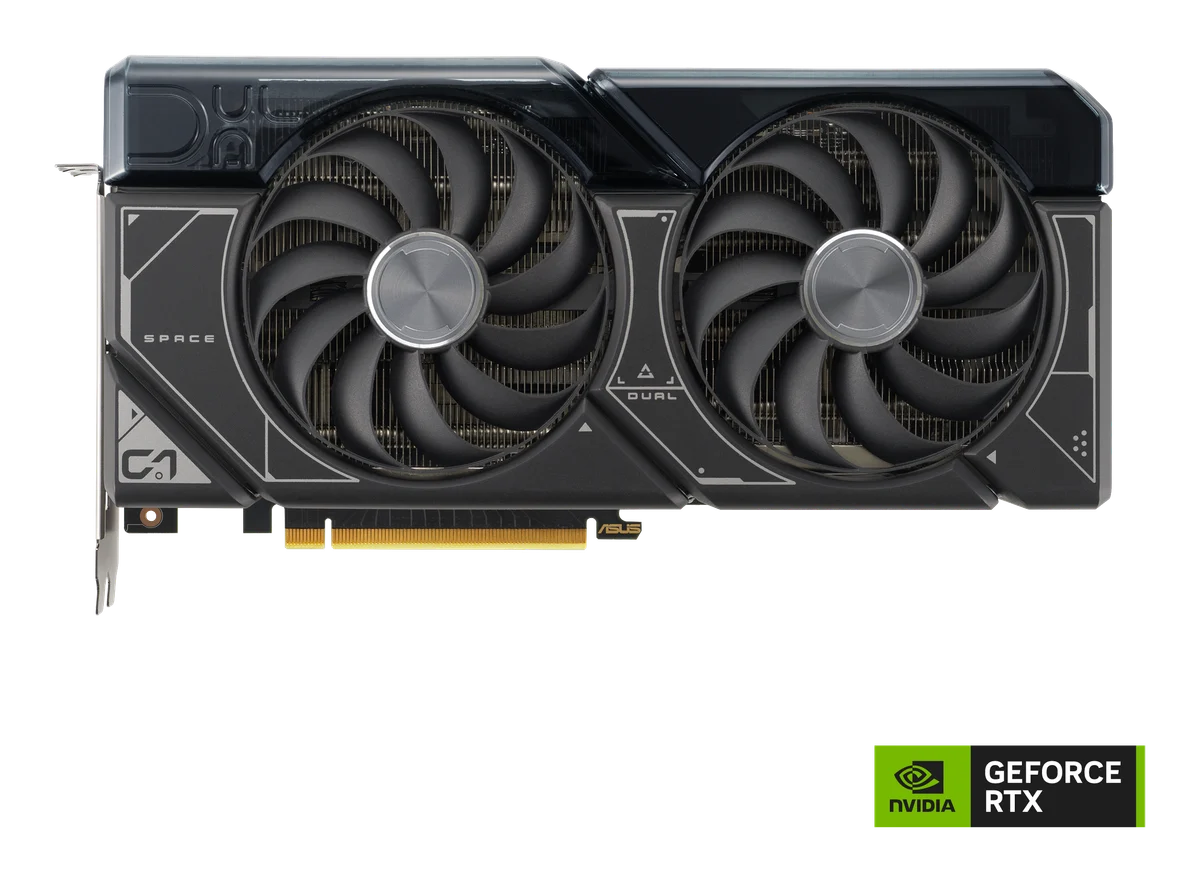
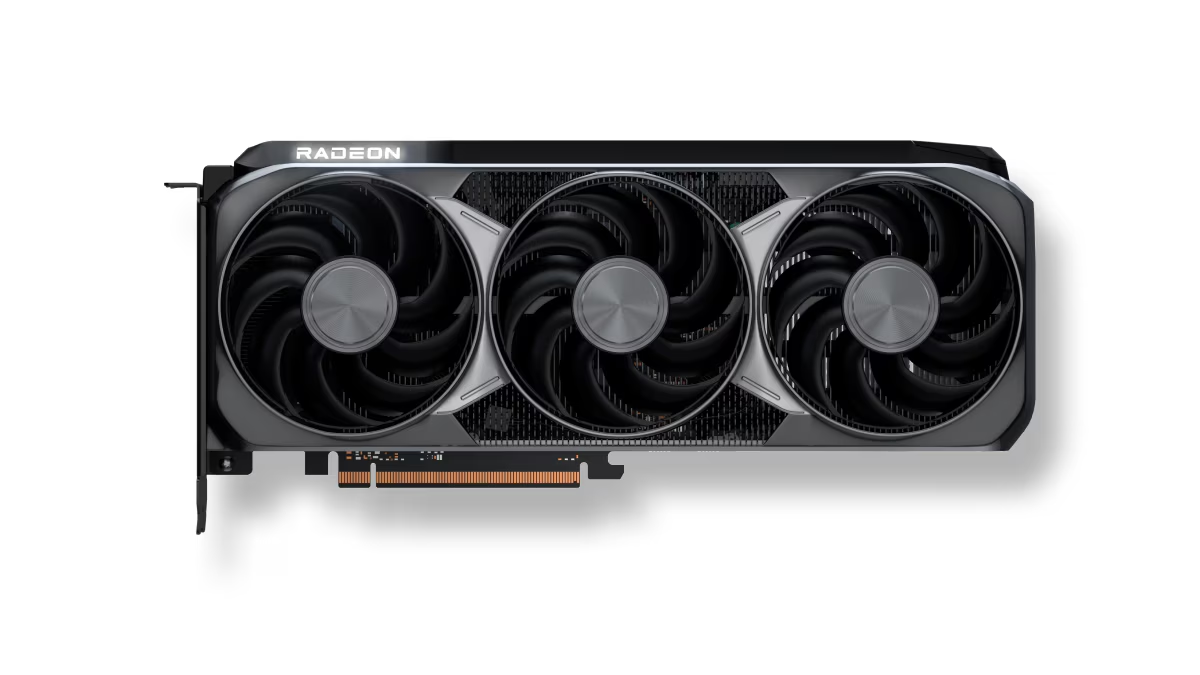
Its closest rivals on InnoReviews are AMD Radeon PRO W7900, AMD Radeon PRO W7800, NVIDIA GeForce RTX 4070 Ti Super — open the comparison pages for a spec-by-spec breakdown.