 ZoomPhoto 1 of 1
NVIDIA
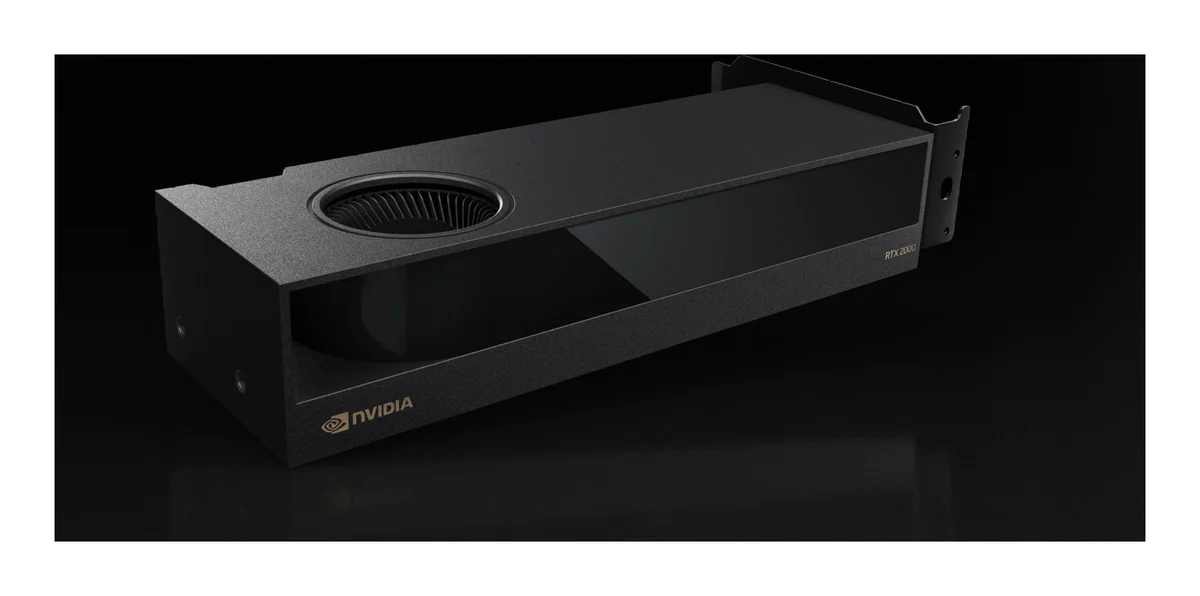
NVIDIA RTX 2000 Ada Generation
The NVIDIA RTX 2000 Ada Generation is a compact dual-slot Ada Lovelace workstation graphics card with 2,816 CUDA cores and 16 GB of ECC GDDR6 on a 128-bit bus. It is rated at 70 W total board power, uses a PCIe 4.0 x8 interface and succeeds the RTX A2000.
Pros
- 16 GB of GDDR6 memory with ECC, more than the 12 GB RTX A2000
- Compact 2.7-inch by 6.6-inch dual-slot card rated at 70 W
- AV1 encode and decode support
- Four mini DisplayPort 1.4a outputs
Cons
- 128-bit memory bus limits bandwidth to 224 GB/s
- Only one video encode engine and one decode engine, versus two of each on the RTX 4500 Ada
- No NVLink support
Below average
Computed from specs & benchmarks via our public methodology.
Full specifications
Everything we track for the NVIDIA RTX 2000 Ada Generation
General
- Announced
- 2024
- Architecture
- Ada Lovelace
- Process
- 4 nm
- TDP
- 70 W
- Power connector
- None (slot powered)
Cores & Clocks
- Shading units
- 2,816
- RT cores
- 22
- Tensor / AI cores
- 88
Memory
- VRAM
- 16 GB
- VRAM type
- GDDR6
- Bus width
- 128 bit
- Bandwidth
- 224 GB/s
Benchmarks
- 3DMark Time Spy
- 8,038Bottom 34%
- 3DMark Speed Way
- 2,036Bottom 24%
- PassMark G3D
- 16,936Bottom 46%
Features
- Upscaling
- DLSS 3
Quick answers
Is the NVIDIA RTX 2000 Ada Generation good in 2026?
The NVIDIA RTX 2000 Ada Generation earns an Inno Score of 43.5/100 (“Below average”) based on its specs and benchmark results. The NVIDIA RTX 2000 Ada Generation is a compact dual-slot Ada Lovelace workstation graphics card with 2,816 CUDA cores and 16 GB of ECC GDDR6 on a 128-bit bus. It is rated at 70 W total board power, uses a PCIe 4.0 x8 interface and succeeds the RTX A2000.
What are the key specs of the NVIDIA RTX 2000 Ada Generation?
VRAM: 16 GB · TDP: 70 W · 3DMark Time Spy: 8,038
What are the closest alternatives to the NVIDIA RTX 2000 Ada Generation?
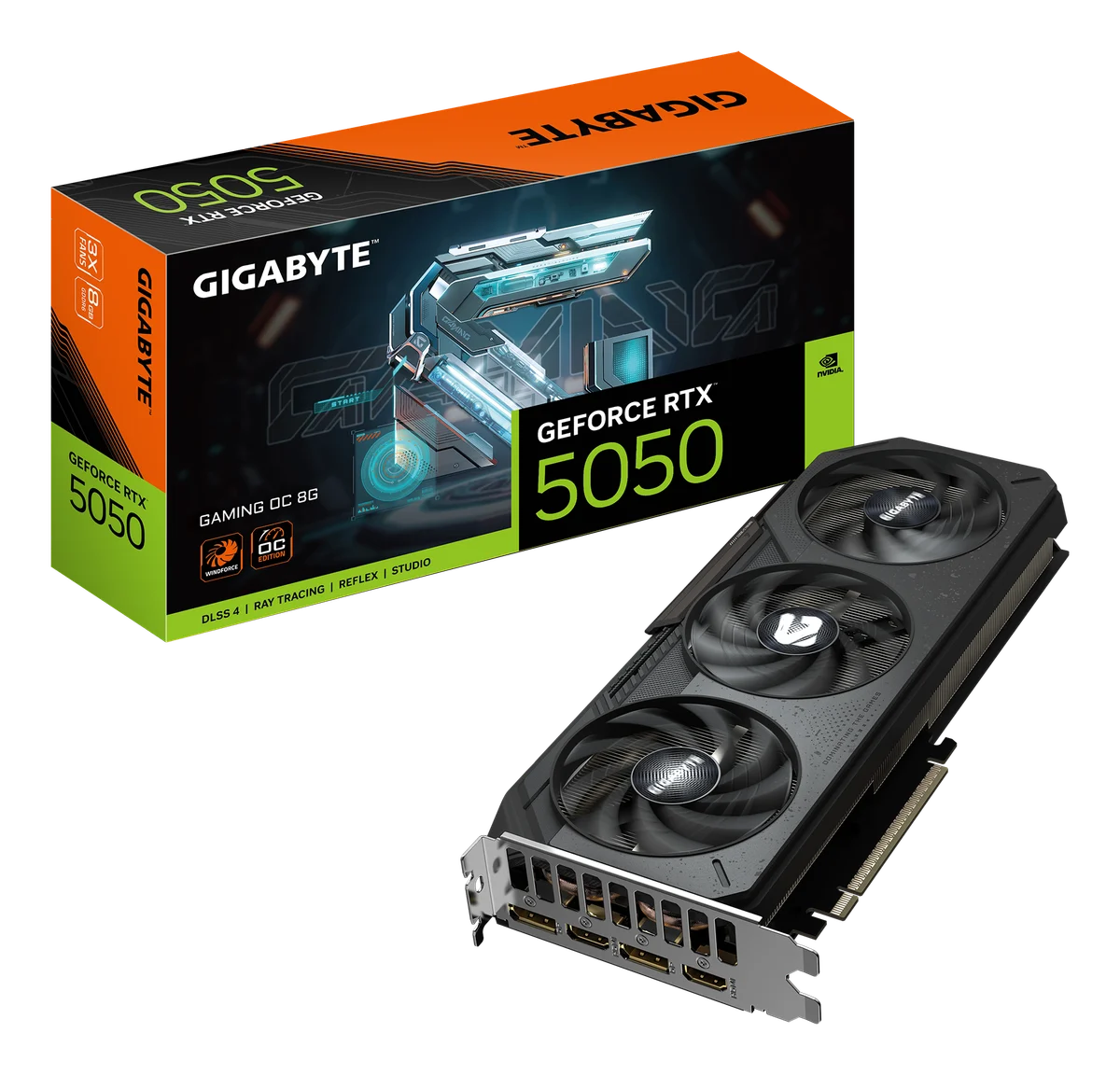
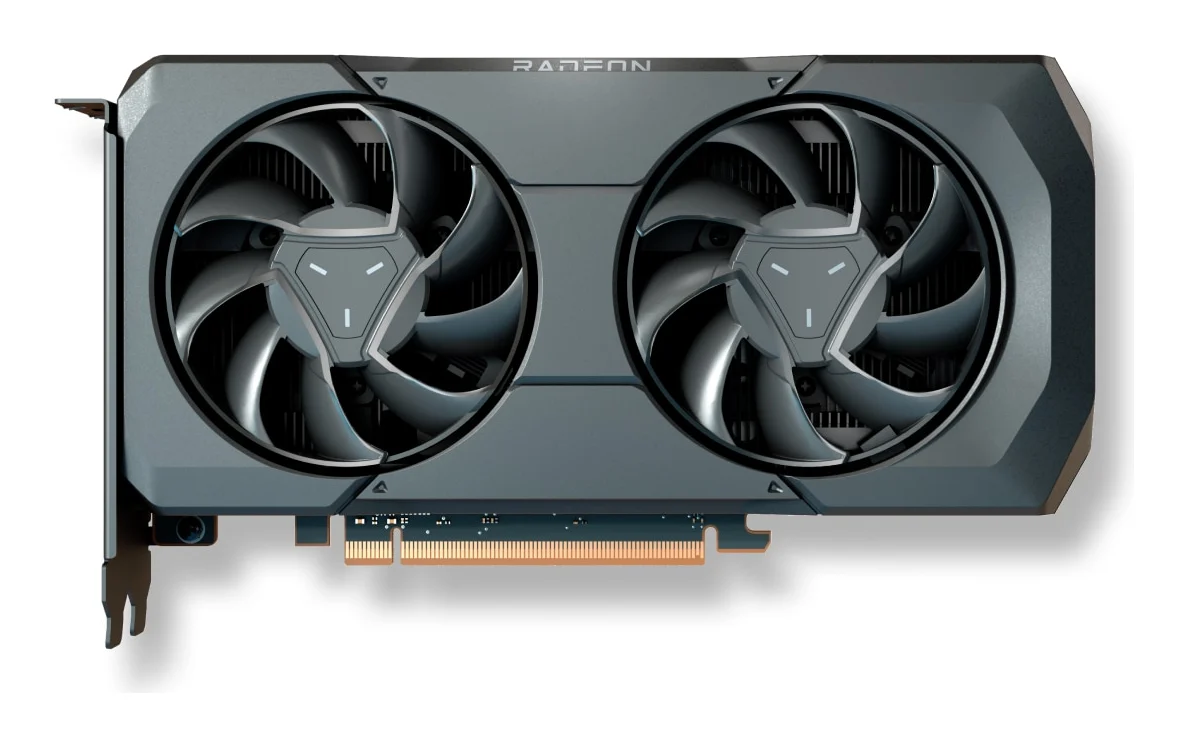
Its closest rivals on InnoReviews are NVIDIA GeForce RTX 5050, AMD Radeon RX 6700, AMD Radeon RX 7600 XT 16GB — open the comparison pages for a spec-by-spec breakdown.