 ZoomPhoto 1 of 1
Apple
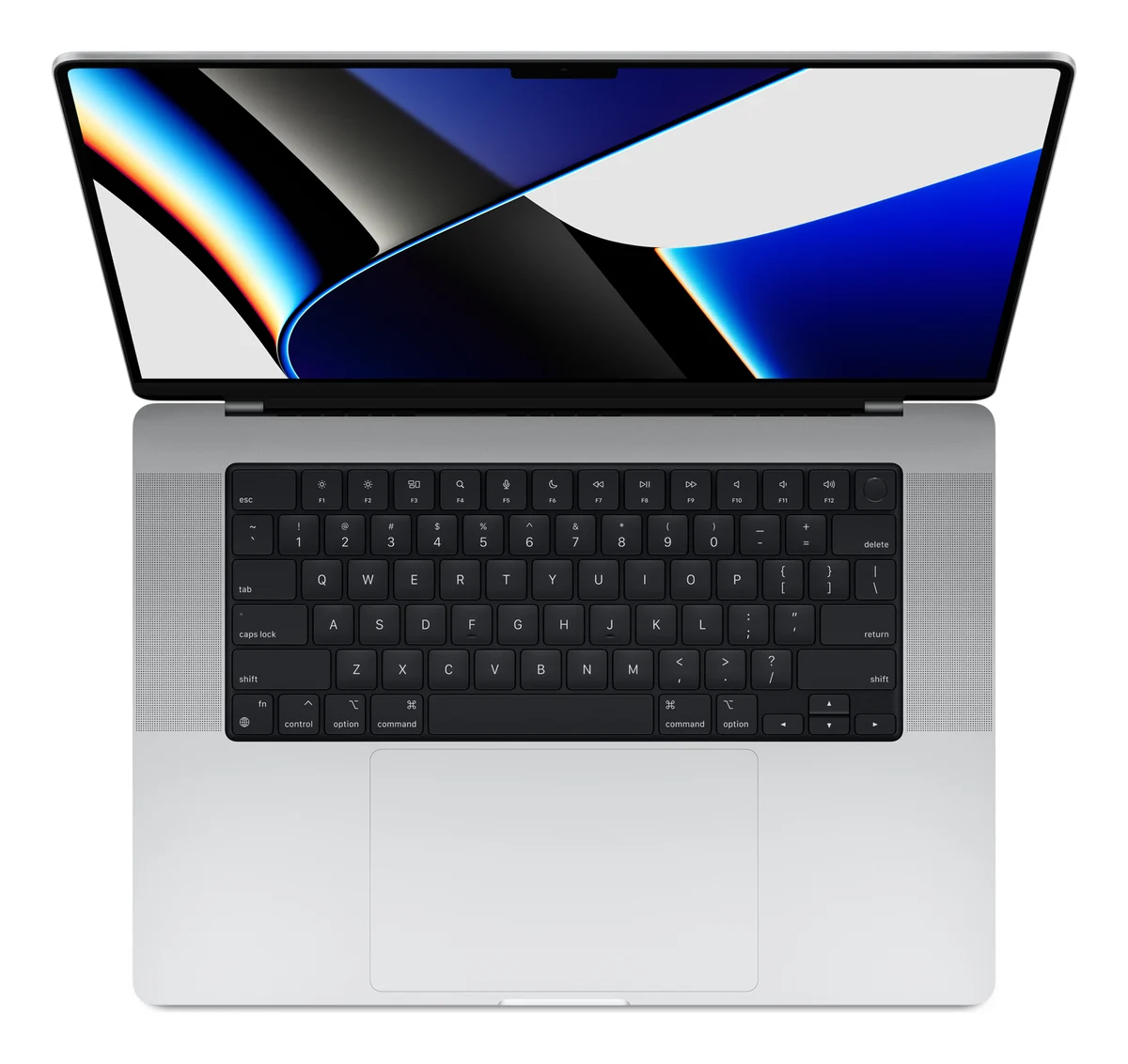
Apple MacBook Pro 16 (M1 Pro)
- Processor
- Apple M1 Pro (10-core)
- RAM
- 16 GB
- Screen size
- 16.2 ″
- Weight
- 2.1 kg
Newer model: Apple MacBook Pro 16 (M2 Pro) (2023) · compare →
The base 16-inch MacBook Pro of the 2021 redesign: a 10-core M1 Pro with 16GB of unified memory and a 512GB SSD for $2,499, with M1 Max as the upgrade. It brought back HDMI, an SD slot and MagSafe 3 alongside a 120Hz mini-LED display and a 1080p camera.
Compare with
Same generation:
Pros
- 120Hz mini-LED display with 1,600 nits HDR peak
- Three Thunderbolt 4 ports plus HDMI, SDXC and MagSafe 3
- Over 14 hours of web browsing in review testing
- 10-core CPU with 200GB/s memory bandwidth
- 1080p FaceTime HD camera
Cons
- Heavy and thick at 2.1kg and 16.8mm
- Display notch cuts into the top of the screen
- Wi-Fi 6 and Bluetooth 5.0 only, no Wi-Fi 6E
- Base model has just 512GB of storage and 16GB of memory
Performance uses the published results of the Apple M1 Pro (10-core), because we have no benchmark result for this device itself yet.
Apple MacBook Pro 16 (M1 Pro) benchmarks
We have no benchmark result for the Apple MacBook Pro 16 (M1 Pro) itself yet, so its bars show the published results of its chip, the Apple M1 Pro (10-core), tagged as the chip's
Geekbench 6 (single)
- Apple MacBook Pro 16 (M2 Pro) chip result · via Apple M2 Pro (12-core) vs 2,663
- Apple MacBook Pro 13 (M2) chip result · via Apple M2 (8-core) vs 2,599
- Apple MacBook Pro 16 (M1 Pro) chip result · via Apple M1 Pro (10-core)2,409
- Apple MacBook Pro 13 (M1) chip result · via Apple M1 (8-core) vs 2,363
Published results: review runs where we found them, otherwise typical published figures. A chip's figure is normally the median of review runs on devices with that chip.
Geekbench 6 (multi)
- Apple MacBook Pro 16 (M2 Pro) chip result · via Apple M2 Pro (12-core)14,568
- Apple MacBook Pro 16 (M1 Pro) chip result · via Apple M1 Pro (10-core)12,440
- Apple MacBook Pro 13 (M2) chip result · via Apple M2 (8-core)10,089
- Apple MacBook Pro 13 (M1) chip result · via Apple M1 (8-core)8,622
Published results: review runs where we found them, otherwise typical published figures. A chip's figure is normally the median of review runs on devices with that chip.
Apple MacBook Pro 16 (M1 Pro) specs
Everything we track for the Apple MacBook Pro 16 (M1 Pro)
Display
- Screen size
- 16.2 ″
- Panel type
- Mini-LED (Liquid Retina XDR)
- Resolution
- 3456x2234
- Refresh rate
- 120 Hz
- Peak brightness
- 1,600 nits
Performance
- Processor
- Apple M1 Pro (10-core)
- Graphics
- Apple M1 Pro 16-core GPU
- RAM
- 16 GB
- RAM type
- LPDDR5 (unified)
- Storage
- 512 GB
- Storage type
- SSD
Battery
- Capacity
- 99.6 Wh
- Web browsing endurance
- 14.3 h
- Charging
- 140 W
Design
- Weight
- 2.1 kg
- Thickness
- 16.8 mm
- Material
- Aluminum
Connectivity
- Ports
- 3x Thunderbolt 4, HDMI, SDXC, MagSafe 3, 3.5mm
- Wi-Fi
- Wi-Fi 6
- Bluetooth
- 5.0
- Webcam
- 1080p FaceTime HD
- Biometrics
- Touch ID
Software
- Operating system
- macOS Monterey
Page last updated Nov 6, 2026.
Apple MacBook Pro 16 (M1 Pro) FAQ
Is the Apple MacBook Pro 16 (M1 Pro) good in 2026?
The Apple MacBook Pro 16 (M1 Pro) earns an Inno Score of 60.6/100 (“Good”), #118 of 602 laptops. Its successor, the Apple MacBook Pro 16 (M2 Pro), came out in 2023 and scores 63.8. The base 16-inch MacBook Pro of the 2021 redesign: a 10-core M1 Pro with 16GB of unified memory and a 512GB SSD for $2,499, with M1 Max as the upgrade. It brought back HDMI, an SD slot and MagSafe 3 alongside a 120Hz mini-LED display and a 1080p camera.
What are the key specs of the Apple MacBook Pro 16 (M1 Pro)?
Processor: Apple M1 Pro (10-core) · RAM: 16 GB · Screen size: 16.2 ″ · Weight: 2.1 kg
What are the closest alternatives to the Apple MacBook Pro 16 (M1 Pro)?
Its closest rivals on InnoReviews are Apple MacBook Pro 16 (M2 Pro), Apple MacBook Pro 14 (M1 Pro), Apple MacBook Pro 13 (M2) — open the comparison pages for a spec-by-spec breakdown.
Use this on your site or forum
Copy a ready-made link. Scores on this page update as new results are published, so the link always leads to the current figures.