 ZoomPhoto 1 of 1
Lenovo
Lenovo Yoga Pro 9i Aura Edition Gen 11 (16IPH11)
- Geekbench 6 (multi)
- 16,816Top 28%
- Processor
- Intel Core Ultra 9 386H
- RAM
- 32 GB
- Screen size
- 16 ″
Previous model: Lenovo Yoga Pro 9i Aura Edition Gen 10 (16IAH10) (2025) · compare →
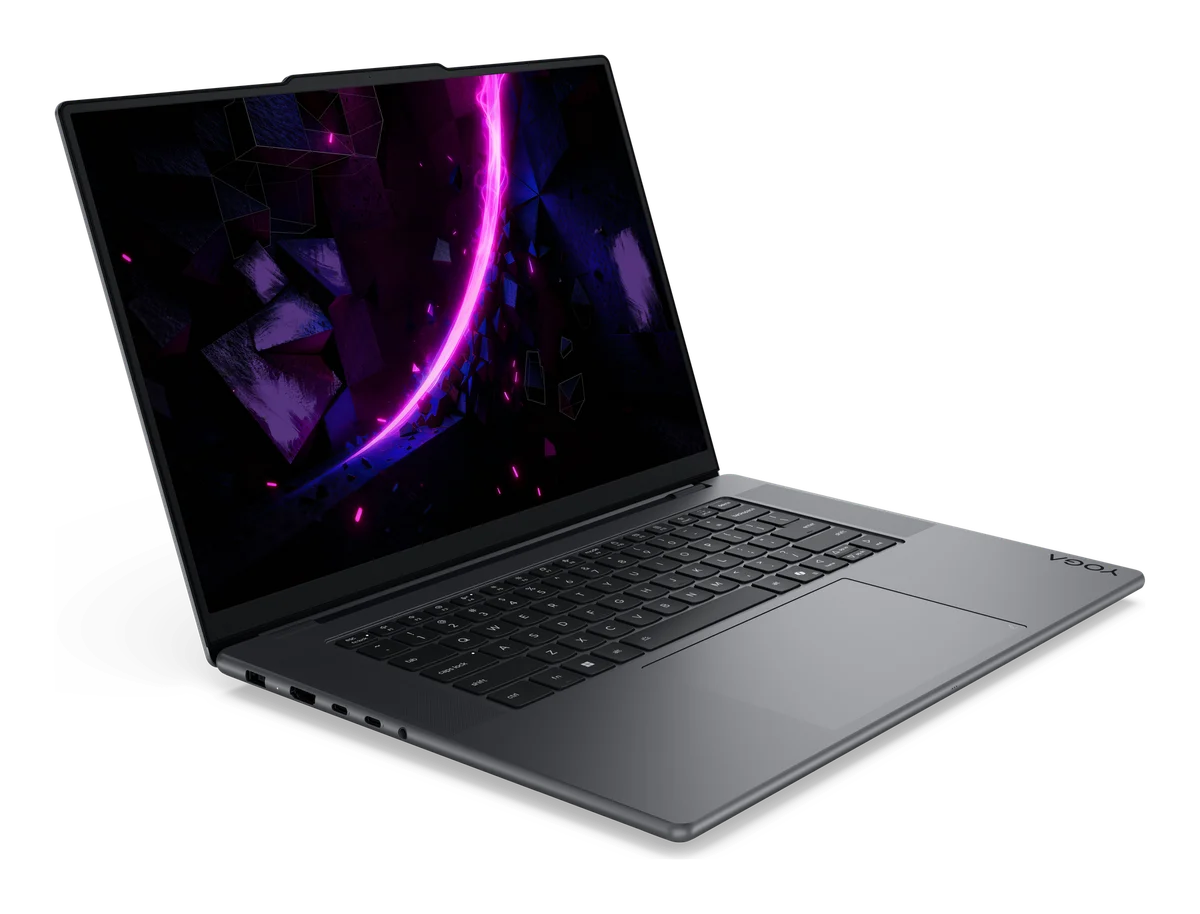
Lenovo's Yoga Pro 9i Aura Edition Gen 11 (16IPH11, also marketed as the Pro 9i Aura Edition) is a 16-inch creator laptop with a Core Ultra 9 386H, an RTX 50-series GPU and a 120Hz OLED touchscreen. Specs here are for the RTX 5060, 32GB, 1TB model with the 3.2K Tandem OLED; some markets add a Core Ultra 7 356H and RTX 5070. US pricing starts at $2,799.
Pros
- 16-inch 3200x2000 Tandem OLED touchscreen at up to 120Hz, rated at 1,600 nits HDR peak and 100% DCI-P3, and measured at about 1,480 nits in HDR in review testing
- Core Ultra 9 386H with a 100W GeForce RTX 5060 (8GB GDDR7); scored 2,895 single-core and 16,816 multi-core in Geekbench 6.7 in review testing
- Two M.2 SSD slots (up to 2TB each), two Thunderbolt 4 ports, two USB-A ports, HDMI 2.1, a UHS-II SD card reader and a 3.5mm jack
- 17.3mm thick and from 1.90kg, slightly thinner and lighter than the previous generation, with a 92.5Wh battery up from 84Wh
- Six speakers with Dolby Atmos, a glass ForcePad with pen support and a 5MP IR camera with an e-shutter
Cons
- Wi-Fi browsing lasted about 9.9 hours at 150 nits and a fixed 60Hz refresh rate in review testing, less than the previous generation, the Dell XPS 16 and the MSI Prestige 16 managed in the same test
- The Core Ultra 9 386H performed almost the same as the previous generation's Core Ultra 9 285H in review testing
- Fans get loud in Performance mode, the numpad was dropped, and Advanced Optimus is supported but G-Sync is not
- Starts at $2,799 in the US with the RTX 5050 and 2.8K OLED; the 3.2K, RTX 5060 configuration reviewed costs about $3,100, and memory is soldered
Lenovo Yoga Pro 9i Aura Edition Gen 11 (16IPH11) benchmarks
Published results for the Lenovo Yoga Pro 9i Aura Edition Gen 11 (16IPH11), next to its closest rivals and its predecessor
Geekbench 6 (single)
- MSI Crosshair 16 Max HX E2W chip result · via Intel Core Ultra 9 290HX Plus vs 3,198
- ASUS ProArt P16 (H7607) chip result · via NVIDIA RTX Spark N1X vs 3,092
- Lenovo Yoga Pro 9i Aura Edition Gen 11 (16IPH11)2,895 Top 34%
- Razer Blade 16 (2026) vs 2,886
- MSI Raider A16 HX B8W chip result · via AMD Ryzen 9 8940HX vs 2,814
Published results: review runs where we found them, otherwise typical published figures. A chip's figure is normally the median of review runs on devices with that chip.
Geekbench 6 (multi)
- MSI Crosshair 16 Max HX E2W chip result · via Intel Core Ultra 9 290HX Plus21,581
- ASUS ProArt P16 (H7607) chip result · via NVIDIA RTX Spark N1X20,296
- Lenovo Yoga Pro 9i Aura Edition Gen 10 (16IAH10)17,174
- ASUS ROG Zephyrus G16 (2026) GU60616,960
- Razer Blade 16 (2026)16,903
- Lenovo Yoga Pro 9i Aura Edition Gen 11 (16IPH11)16,816 Top 28%
- MSI Raider A16 HX B8W chip result · via AMD Ryzen 9 8940HX15,120
Published results: review runs where we found them, otherwise typical published figures. A chip's figure is normally the median of review runs on devices with that chip.
Lenovo Yoga Pro 9i Aura Edition Gen 11 (16IPH11) vs Lenovo Yoga Pro 9i Aura Edition Gen 10 (16IAH10): what changed
The biggest differences from the Lenovo Yoga Pro 9i Aura Edition Gen 10 (16IAH10), the previous generation, in our spec and benchmark data.
| Spec | Lenovo Yoga Pro 9i Aura Edition Gen 10 (16IAH10) | Lenovo Yoga Pro 9i Aura Edition Gen 11 (16IPH11) |
|---|---|---|
| Peak brightness | 1,100 nits | 1,600 nits |
| Charging | 170 W | 245 W |
| Capacity | 84 Wh | 92.5 Wh |
| Thickness | 17.9 mm | 17.3 mm |
Lenovo Yoga Pro 9i Aura Edition Gen 11 (16IPH11) specs
Everything we track for the Lenovo Yoga Pro 9i Aura Edition Gen 11 (16IPH11)
Display
- Screen size
- 16 ″
- Panel type
- Tandem OLED (touch, glossy)
- Resolution
- 3200x2000
- Refresh rate
- 120 Hz
- Peak brightness
- 1,600 nits
Performance
- Processor
- Intel Core Ultra 9 386H
- RAM
- 32 GB
- RAM type
- LPDDR5X-7467 (soldered)
- Storage
- 1,024 GB
- Storage type
- PCIe 4.0 NVMe SSD (2x M.2 slots)
Benchmarks
- Geekbench 6 (single)
- 2,895Top 34%
- Geekbench 6 (multi)
- 16,816Top 28%#68 of 249
- 3DMark Time Spy Graphics (GPU)
- 12,021Bottom 31%
Battery
- Capacity
- 92.5 Wh
- Charging
- 245 W
Design
- Weight
- 1.9 kg
- Thickness
- 17.3 mm
- Material
- Aluminum (top and bottom, anodized)
Connectivity
- Ports
- 2x Thunderbolt 4 (USB PD 65-100W, DisplayPort 2.1), 2x USB-A (10Gbps, one always-on), HDMI 2.1 (up to 8K/60Hz), UHS-II SD card reader, 3.5mm combo audio jack
- Wi-Fi
- Wi-Fi 7
- Bluetooth
- 5.4
- Webcam
- 5MP + IR with e-shutter
- Biometrics
- IR camera for Windows Hello face recognition (no fingerprint reader)
Software
- Operating system
- Windows 11 (Home or Pro)
Page last updated Nov 22, 2026.
Lenovo Yoga Pro 9i Aura Edition Gen 11 (16IPH11) FAQ
Is the Lenovo Yoga Pro 9i Aura Edition Gen 11 (16IPH11) good in 2026?
The Lenovo Yoga Pro 9i Aura Edition Gen 11 (16IPH11) earns an Inno Score of 65.1/100 (“Good”), #46 of 602 laptops. Lenovo's Yoga Pro 9i Aura Edition Gen 11 (16IPH11, also marketed as the Pro 9i Aura Edition) is a 16-inch creator laptop with a Core Ultra 9 386H, an RTX 50-series GPU and a 120Hz OLED touchscreen. Specs here are for the RTX 5060, 32GB, 1TB model with the 3.2K Tandem OLED; some markets add a Core Ultra 7 356H and RTX 5070. US pricing starts at $2,799.
What are the key specs of the Lenovo Yoga Pro 9i Aura Edition Gen 11 (16IPH11)?
Processor: Intel Core Ultra 9 386H · RAM: 32 GB · Screen size: 16 ″ · Weight: 1.9 kg
What are the closest alternatives to the Lenovo Yoga Pro 9i Aura Edition Gen 11 (16IPH11)?
Its closest rivals on InnoReviews are Lenovo Yoga Pro 9i Aura Edition Gen 10 (16IAH10), ASUS ProArt P16 (H7607), ASUS ROG Zephyrus G16 (2026) GU606 — open the comparison pages for a spec-by-spec breakdown.
Use this on your site or forum
Copy a ready-made link. Scores on this page update as new results are published, so the link always leads to the current figures.