ASUS ProArt P16 (H7607) vs Lenovo Yoga Pro 9i Aura Edition Gen 11 (16IPH11)
ASUS ProArt P16 (H7607): NVIDIA RTX Spark N1X, released Oct 16, 2026, $2,799
Lenovo Yoga Pro 9i Aura Edition Gen 11 (16IPH11): Intel Core Ultra 9 386H, released Apr 29, 2026, $2,799
The ASUS ProArt P16 (H7607) is 6 months newer.
Chip vs chip: NVIDIA RTX Spark N1X vs Intel Core Ultra 9 386H →
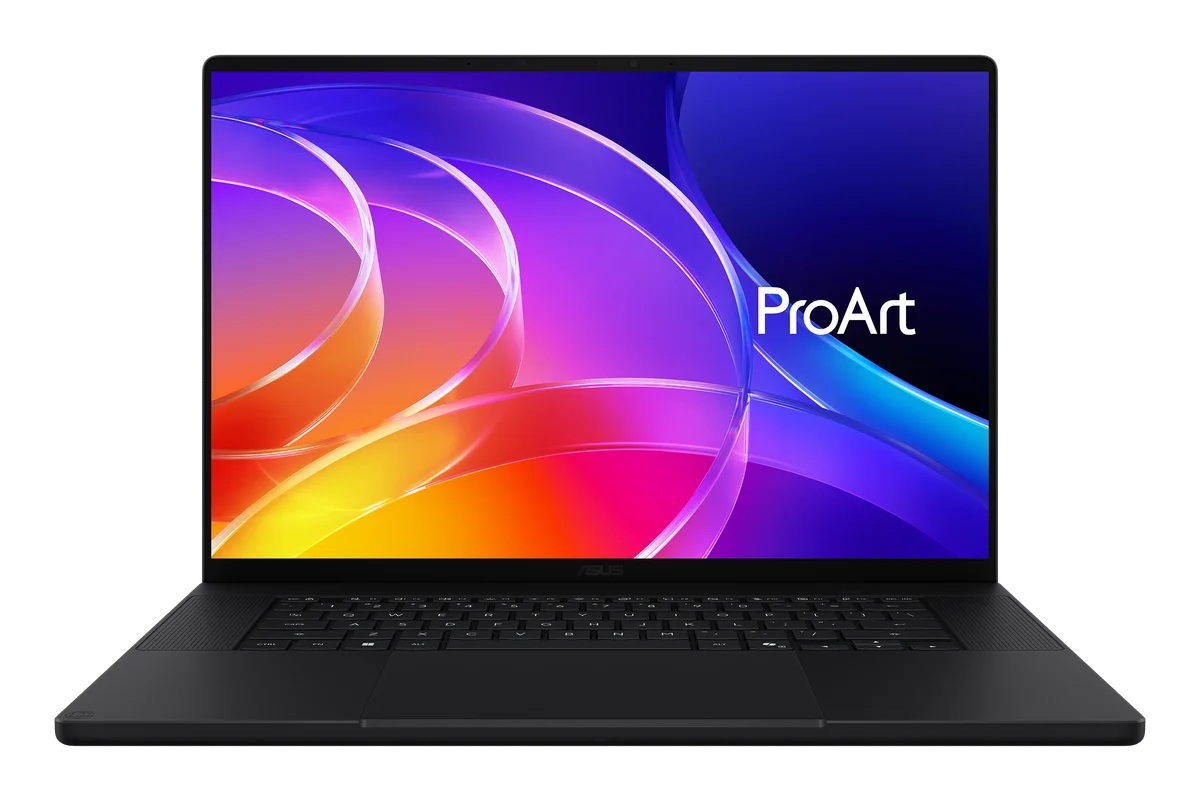
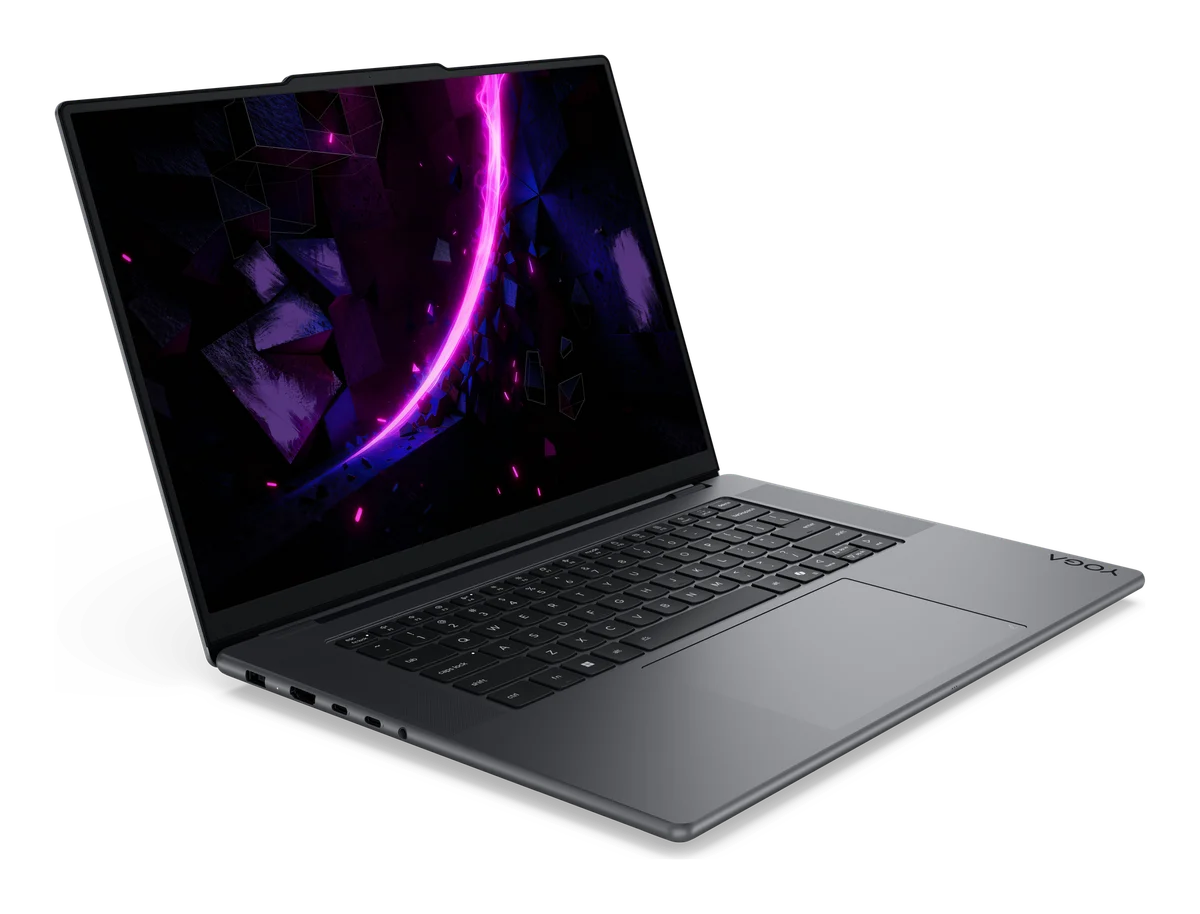
InnoReviews verdict
ASUS ProArt P16 (H7607) wins this laptop face-off, 69.5 to 65.1, pulling ahead mainly in performance (+12). Lenovo Yoga Pro 9i Aura Edition Gen 11 (16IPH11) is the better pick for charging.
Key differences
Reasons to pick the ASUS ProArt P16 (H7607)
- Stronger performance score: 69 vs 58
- 4.4 mm thinner: 12.9 mm vs 17.3 mm
- 100% higher RAM: 64 GB vs 32 GB
Reasons to pick the Lenovo Yoga Pro 9i Aura Edition Gen 11 (16IPH11)
- 75% higher charging: 245 W vs 140 W
Up next
ASUS ProArt P16 (H7607) vs Lenovo Yoga Pro 9i Aura Edition Gen 11 (16IPH11): benchmarks
Where we have no result for the ASUS ProArt P16 (H7607) itself, its bars show its chip's published results, tagged as the chip's
Geekbench 6 (single)
- ASUS ProArt P16 (H7607) chip result · via NVIDIA RTX Spark N1X3,092
- Lenovo Yoga Pro 9i Aura Edition Gen 11 (16IPH11)2,895
Published results: review runs where we found them, otherwise typical published figures. A chip's figure is normally the median of review runs on devices with that chip.
Geekbench 6 (multi)
- ASUS ProArt P16 (H7607) chip result · via NVIDIA RTX Spark N1X20,296
- Lenovo Yoga Pro 9i Aura Edition Gen 11 (16IPH11)16,816
Published results: review runs where we found them, otherwise typical published figures. A chip's figure is normally the median of review runs on devices with that chip.
Which would you pick?
ASUS ProArt P16 (H7607) vs Lenovo Yoga Pro 9i Aura Edition Gen 11 (16IPH11): full specs
Display
| Spec | ASUS ProArt P16 (H7607) | Lenovo Yoga Pro 9i Aura Edition Gen 11 (16IPH11) |
|---|---|---|
| Screen size | 16 ″ | 16 ″ |
| Panel type | OLED touchscreen (ASUS Lumina Pro, 100% DCI-P3) | Tandem OLED (touch, glossy) |
| Resolution | 3840x2400 | 3200x2000 |
| Refresh rate | 120 Hz | 120 Hz |
| Peak brightness | 1,600 nits | 1,600 nits |
Performance
| Spec | ASUS ProArt P16 (H7607) | Lenovo Yoga Pro 9i Aura Edition Gen 11 (16IPH11) |
|---|---|---|
| Processor | NVIDIA RTX Spark N1X | Intel Core Ultra 9 386H |
| Graphics | NVIDIA Blackwell RTX GPU (6144 CUDA cores, integrated) | NVIDIA GeForce RTX 5060 Laptop GPU (8GB GDDR7, 100W) |
| RAM | 64 GB+100% | 32 GB |
| RAM type | LPDDR5X (soldered, unified memory) | LPDDR5X-7467 (soldered) |
| Storage | 1,024 GB | 1,024 GB |
| Storage type | M.2 2280 NVMe PCIe 4.0 SSD | PCIe 4.0 NVMe SSD (2x M.2 slots) |
Benchmarks
| Spec | ASUS ProArt P16 (H7607) | Lenovo Yoga Pro 9i Aura Edition Gen 11 (16IPH11) |
|---|---|---|
| Geekbench 6 (single) | — | 2,895Top 34% |
| Geekbench 6 (multi) | — | 16,816Top 28% |
| 3DMark Time Spy Graphics (GPU) | — | 12,021Bottom 31% |
Battery
| Spec | ASUS ProArt P16 (H7607) | Lenovo Yoga Pro 9i Aura Edition Gen 11 (16IPH11) |
|---|---|---|
| Capacity | 99.9 Wh+8% | 92.5 Wh |
| Web browsing endurance | 9.5 h | — |
| Charging | 140 W | 245 W+75% |
Design
| Spec | ASUS ProArt P16 (H7607) | Lenovo Yoga Pro 9i Aura Edition Gen 11 (16IPH11) |
|---|---|---|
| Weight | 1.77 kg+7% | 1.9 kg |
| Thickness | 12.9 mm+25% | 17.3 mm |
| Material | Aluminum (CNC-machined) | Aluminum (top and bottom, anodized) |
Connectivity
| Spec | ASUS ProArt P16 (H7607) | Lenovo Yoga Pro 9i Aura Edition Gen 11 (16IPH11) |
|---|---|---|
| Ports | 3x USB4 Gen 3 Type-C (40Gbps, display and power delivery), 1x USB 3.2 Gen 2 Type-A, 1x HDMI 2.1 FRL, SD Express 7.0 card reader, 3.5mm combo audio jack | 2x Thunderbolt 4 (USB PD 65-100W, DisplayPort 2.1), 2x USB-A (10Gbps, one always-on), HDMI 2.1 (up to 8K/60Hz), UHS-II SD card reader, 3.5mm combo audio jack |
| Wi-Fi | Wi-Fi 7 (802.11be) | Wi-Fi 7 |
| Bluetooth | 5.4 | 5.4 |
| Webcam | FHD with IR | 5MP + IR with e-shutter |
| Biometrics | IR camera for Windows Hello face login | IR camera for Windows Hello face recognition (no fingerprint reader) |
Software
| Spec | ASUS ProArt P16 (H7607) | Lenovo Yoga Pro 9i Aura Edition Gen 11 (16IPH11) |
|---|---|---|
| Operating system | Windows 11 Home or Pro (Arm) | Windows 11 (Home or Pro) |
Quick answers
Which is better: ASUS ProArt P16 (H7607) or Lenovo Yoga Pro 9i Aura Edition Gen 11 (16IPH11)?
ASUS ProArt P16 (H7607) wins this laptop face-off, 69.5 to 65.1, pulling ahead mainly in performance (+12). Lenovo Yoga Pro 9i Aura Edition Gen 11 (16IPH11) is the better pick for charging.
How do the scores compare?
ASUS ProArt P16 (H7607) scores 69.5/100 overall; Lenovo Yoga Pro 9i Aura Edition Gen 11 (16IPH11) scores 65.1/100. ASUS ProArt P16 (H7607) wins 4 individual spec rows, Lenovo Yoga Pro 9i Aura Edition Gen 11 (16IPH11) wins 1.
What are the main differences between the ASUS ProArt P16 (H7607) and the Lenovo Yoga Pro 9i Aura Edition Gen 11 (16IPH11)?
ASUS ProArt P16 (H7607) advantages: Stronger performance score: 69 vs 58; 4.4 mm thinner: 12.9 mm vs 17.3 mm; 100% higher RAM: 64 GB vs 32 GB. Lenovo Yoga Pro 9i Aura Edition Gen 11 (16IPH11) advantages: 75% higher charging: 245 W vs 140 W.
Which is cheaper: ASUS ProArt P16 (H7607) or Lenovo Yoga Pro 9i Aura Edition Gen 11 (16IPH11)?
Lenovo Yoga Pro 9i Aura Edition Gen 11 (16IPH11) launched cheaper at $2,799, versus $2,799 for the ASUS ProArt P16 (H7607).
Use this on your site or forum
Copy a ready-made link. Scores on this page update as new results are published, so the link always leads to the current figures.