 ZoomPhoto 1 of 1
vivo
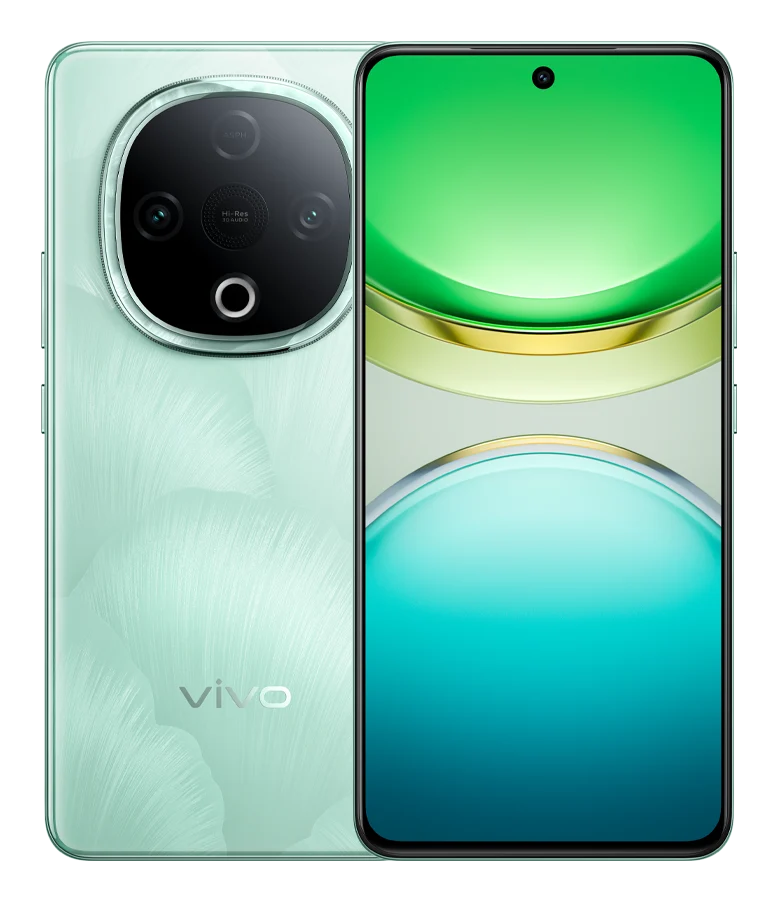
vivo Y300c
- Chipset
- MediaTek Dimensity 6300
- Screen size
- 6.77 ″
- Capacity
- 6,500 mAh
- Main camera
- 50 MP
Below average
#752 of 1,392 phonesvivo's Y300c is a China-market phone with the MediaTek Dimensity 6300, 12GB of RAM, a 6.77-inch 120Hz AMOLED display, a 6,500mAh battery with 44W charging and a 50MP main camera. It launched in China in June 2025 at CNY 1,399 for 12GB/256GB.
Pros
- 6,500mAh (6,380mAh rated) battery with 44W wired charging in a 7.79mm body
- 6.77-inch AMOLED display with 120Hz refresh rate and 1800 nits peak brightness
- 12GB LPDDR4X RAM with UFS 2.2 storage on every configuration
- Android 15-based OriginOS 5 at launch, with an under-display optical fingerprint sensor
Cons
- Only a 50MP main camera and a 2MP blur sensor on the back; there is no ultra-wide or telephoto lens
- Video recording tops out at 1080p
- IP rating, NFC and wireless charging are not listed in vivo's specification
- USB-C and a 6nm Dimensity 6300 put it in the entry-level performance tier
Performance uses the published results of the MediaTek Dimensity 6300, because we have no benchmark result for this device itself yet.
vivo Y300c benchmarks
We have no benchmark result for the vivo Y300c itself yet, so its bars show the published results of its chip, the MediaTek Dimensity 6300, tagged as the chip's
Geekbench 6 (single)
- TCL NXTPAPER 70 Pro chip result · via MediaTek Dimensity 7300 vs 1,033
- Doogee S118 Pro chip result · via MediaTek Dimensity 7050 vs 958
- TECNO POVA 7 5G vs 930
- vivo Y300c chip result · via MediaTek Dimensity 6300783
- Ulefone Armor 27 chip result · via MediaTek Helio G99 vs 728
- TECNO CAMON 40 chip result · via MediaTek Helio G100 vs 706
Published results: review runs where we found them, otherwise typical published figures. A chip's figure is normally the median of review runs on devices with that chip.
Geekbench 6 (multi)
- TCL NXTPAPER 70 Pro chip result · via MediaTek Dimensity 73002,972
- TECNO POVA 7 5G2,701
- Doogee S118 Pro chip result · via MediaTek Dimensity 70502,422
- Ulefone Armor 27 chip result · via MediaTek Helio G991,966
- vivo Y300c chip result · via MediaTek Dimensity 63001,938
- TECNO CAMON 40 chip result · via MediaTek Helio G1001,832
Published results: review runs where we found them, otherwise typical published figures. A chip's figure is normally the median of review runs on devices with that chip.
vivo Y300c specs
Everything we track for the vivo Y300c
Display
- Screen size
- 6.77 ″
- Panel type
- AMOLED
- Resolution
- 1080x2392
- Pixel density
- 387 ppi
- Refresh rate
- 120 Hz
- Peak brightness
- 1,800 nits
- Screen-to-body
- 94.2 %
Performance
- Chipset
- MediaTek Dimensity 6300
- RAM (max)
- 12 GB
- Storage options
- 256GB / 512GB
- Storage type
- UFS 2.2
Camera
- Main camera
- 50 MP
- Main aperture
- f/1.8
- Max video
- 1080p
- Front camera
- 8 MP
Battery
- Capacity
- 6,500 mAhBattery capacity by year and maker
- Wired charging
- 44 W
Design
- Weight
- 200 g
- Thickness
- 7.8 mm
- IP rating
- IP64
- Frame material
- Plastic
Connectivity
- 5G
- Yes
- Wi-Fi
- Wi-Fi 5
- Bluetooth
- 5.4
- USB
- USB-C
Software
- OS at launch
- Android 15 (OriginOS 5)
Audio
- Stereo speakers
- Yes
- 3.5mm jack
- No
Page last updated Nov 22, 2026.
vivo Y300c FAQ
Is the vivo Y300c good in 2026?
The vivo Y300c earns an Inno Score of 45.5/100 (“Below average”), #752 of 1,392 phones. vivo's Y300c is a China-market phone with the MediaTek Dimensity 6300, 12GB of RAM, a 6.77-inch 120Hz AMOLED display, a 6,500mAh battery with 44W charging and a 50MP main camera. It launched in China in June 2025 at CNY 1,399 for 12GB/256GB.
What are the key specs of the vivo Y300c?
Chipset: MediaTek Dimensity 6300 · Screen size: 6.77 ″ · Capacity: 6,500 mAh · Main camera: 50 MP
What are the closest alternatives to the vivo Y300c?
Its closest rivals on InnoReviews are Doogee S118 Pro, TCL NXTPAPER 70 Pro, TECNO CAMON 40 — open the comparison pages for a spec-by-spec breakdown.
Use this on your site or forum
Copy a ready-made link. Scores on this page update as new results are published, so the link always leads to the current figures.