ASUS TUF Gaming F16 (2024) FX607 vs Lenovo IdeaPad Vibe 15
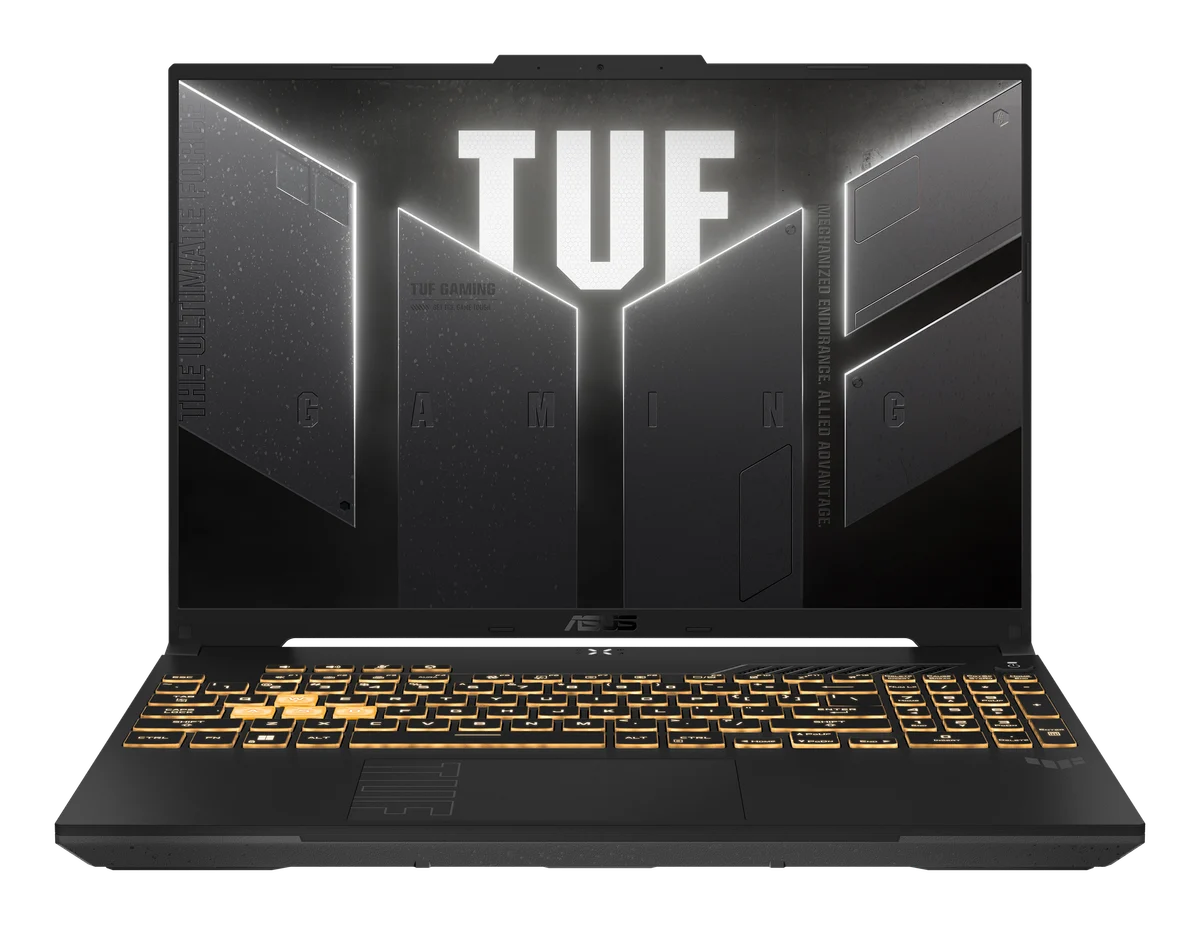
ASUS TUF Gaming F16 (2024) FX607: Intel Core i7-13650HX, released Mar 18, 2024
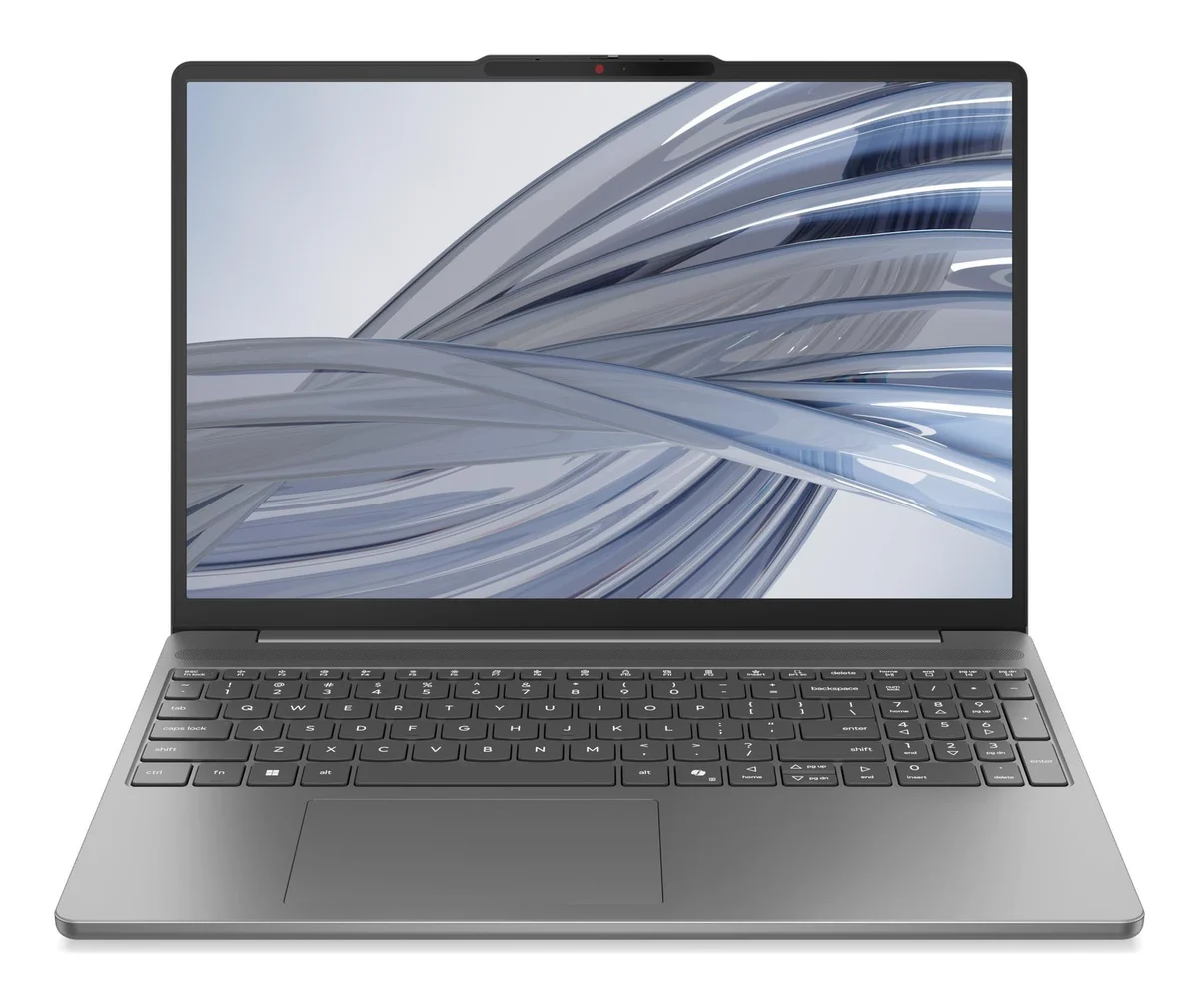
Lenovo IdeaPad Vibe 15: AMD Ryzen AI 7 445, released Oct 15, 2026, $700
The Lenovo IdeaPad Vibe 15 is 31 months newer.
InnoReviews verdict
ASUS TUF Gaming F16 (2024) FX607 wins this laptop face-off, 54.2 to 47.5, pulling ahead mainly in graphics (+41) and performance (+4). Lenovo IdeaPad Vibe 15 still makes sense if its price or standout specs fit your needs better.
Key differences
Reasons to pick the ASUS TUF Gaming F16 (2024) FX607
- Stronger performance score: 43 vs 39
- Stronger graphics score: 82 vs 41
- 269% higher charging: 240 W vs 65 W
- 38% higher refresh rate: 165 Hz vs 120 Hz
- 38% higher capacity: 90 Wh vs 65 Wh
Reasons to pick the Lenovo IdeaPad Vibe 15
- 83% higher peak brightness: 500 nits vs 273 nits
- 44% lower thickness: 15.8 mm vs 28.2 mm
- 35% lower weight: 1.47 kg vs 2.27 kg
Which would you pick?
ASUS TUF Gaming F16 (2024) FX607 vs Lenovo IdeaPad Vibe 15: full specs
Display
| Spec | ASUS TUF Gaming F16 (2024) FX607 | Lenovo IdeaPad Vibe 15 |
|---|---|---|
| Screen size | 16 ″+5% | 15.3 ″ |
| Panel type | IPS-level (G-Sync) | OLED |
| Resolution | 1920x1200 | 2160x1352 |
| Refresh rate | 165 Hz+38% | 120 Hz |
| Peak brightness | 273 nits | 500 nits+83% |
Performance
| Spec | ASUS TUF Gaming F16 (2024) FX607 | Lenovo IdeaPad Vibe 15 |
|---|---|---|
| Processor | Intel Core i7-13650HX | AMD Ryzen AI 7 445 |
| Graphics | NVIDIA GeForce RTX 4060 Laptop | AMD Radeon 840M (integrated) |
| RAM | 16 GB | 16 GB |
| RAM type | DDR5-4800 (2x SO-DIMM) | DDR5-5600 (SODIMM) |
| Storage | 512 GB | 512 GB |
| Storage type | PCIe 4.0 NVMe SSD (2 slots) | NVMe SSD (M.2 2242, PCIe 4.0) |
Benchmarks
| Spec | ASUS TUF Gaming F16 (2024) FX607 | Lenovo IdeaPad Vibe 15 |
|---|---|---|
| 3DMark Time Spy Graphics (GPU) | 10,397Bottom 22% | — |
Battery
| Spec | ASUS TUF Gaming F16 (2024) FX607 | Lenovo IdeaPad Vibe 15 |
|---|---|---|
| Capacity | 90 Wh+38% | 65 Wh |
| Charging | 240 W+269% | 65 W |
Design
| Spec | ASUS TUF Gaming F16 (2024) FX607 | Lenovo IdeaPad Vibe 15 |
|---|---|---|
| Weight | 2.27 kg | 1.47 kg+35% |
| Thickness | 28.2 mm | 15.8 mm+44% |
| Material | Aluminum lid, plastic base | Aluminium top, aluminium or PC-ABS bottom |
Connectivity
| Spec | ASUS TUF Gaming F16 (2024) FX607 | Lenovo IdeaPad Vibe 15 |
|---|---|---|
| Ports | Thunderbolt 4, USB 3.2 Gen 2 Type-C (DisplayPort, power delivery), 2x USB 3.2 Gen 1 Type-A, HDMI 2.1, RJ45 Ethernet, 3.5mm combo audio | 2x USB-C (5Gbps, DisplayPort 1.2, USB PD 65-100W), 2x USB-A (5Gbps), HDMI 1.4, microSD card reader, 3.5mm combo audio jack |
| Wi-Fi | Wi-Fi 6 (802.11ax) | Wi-Fi 7 (Wi-Fi 6 on some configurations) |
| Bluetooth | 5.2 | 5.4 (5.3 with Wi-Fi 6) |
| Webcam | 720p HD | 5MP with privacy shutter (IR camera optional) |
| Biometrics | None | No fingerprint reader; optional IR camera for Windows Hello face unlock |
Software
| Spec | ASUS TUF Gaming F16 (2024) FX607 | Lenovo IdeaPad Vibe 15 |
|---|---|---|
| Operating system | Windows 11 | Windows 11 Home |
Quick answers
Which is better: ASUS TUF Gaming F16 (2024) FX607 or Lenovo IdeaPad Vibe 15?
ASUS TUF Gaming F16 (2024) FX607 wins this laptop face-off, 54.2 to 47.5, pulling ahead mainly in graphics (+41) and performance (+4). Lenovo IdeaPad Vibe 15 still makes sense if its price or standout specs fit your needs better.
How do the scores compare?
ASUS TUF Gaming F16 (2024) FX607 scores 54.2/100 overall; Lenovo IdeaPad Vibe 15 scores 47.5/100. ASUS TUF Gaming F16 (2024) FX607 wins 4 individual spec rows, Lenovo IdeaPad Vibe 15 wins 3.
What are the main differences between the ASUS TUF Gaming F16 (2024) FX607 and the Lenovo IdeaPad Vibe 15?
ASUS TUF Gaming F16 (2024) FX607 advantages: Stronger performance score: 43 vs 39; Stronger graphics score: 82 vs 41; 269% higher charging: 240 W vs 65 W; 38% higher refresh rate: 165 Hz vs 120 Hz; 38% higher capacity: 90 Wh vs 65 Wh. Lenovo IdeaPad Vibe 15 advantages: 83% higher peak brightness: 500 nits vs 273 nits; 44% lower thickness: 15.8 mm vs 28.2 mm; 35% lower weight: 1.47 kg vs 2.27 kg.
Use this on your site or forum
Copy a ready-made link. Scores on this page update as new results are published, so the link always leads to the current figures.