AMD
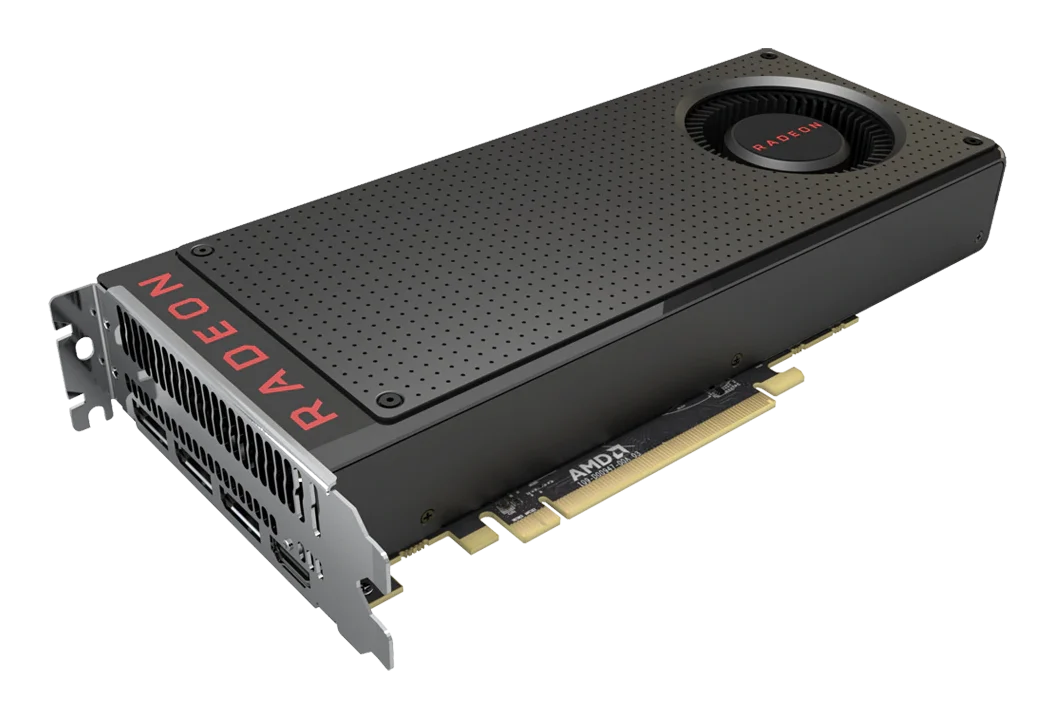
AMD Radeon RX 470
AMD's Polaris 10 card one step below the RX 480 enables 32 compute units (2,048 stream processors) on a 14nm process, with 4GB of GDDR5 on a 256-bit bus on the reference design. It launched in August 2016 at a suggested $179 with a 120W typical board power and a single 6-pin connector.
Pros
- 2,048 stream processors with up to 4.9 TFLOPs rated by AMD
- 256-bit GDDR5 bus gives 211GB/s of bandwidth
- 120W typical board power with a single 6-pin connector
- 14nm FinFET process with DirectX 12 and Vulkan support
Cons
- Reference design has 4GB of memory, which limits newer games at high texture settings
- No ray tracing hardware or machine-learning upscaling
- Four fewer compute units than the RX 480 for a modest price difference at launch
- Long out of production, with no current manufacturer support path
Below average
Computed from specs & benchmarks via our public methodology.
Full specifications
Everything we track for the AMD Radeon RX 470
General
- Announced
- 2016
- Architecture
- Polaris (GCN 4)
- Process
- 14 nm
- TDP
- 120 W
- Power connector
- 1x 6-pin
Cores & Clocks
- Shading units
- 2,048
- Base clock
- 926 MHz
- Boost clock
- 1,206 MHz
Memory
- VRAM
- 4 GB
- VRAM type
- GDDR5
- Bus width
- 256 bit
- Bandwidth
- 211 GB/s
Benchmarks
- 3DMark Time Spy
- 3,680Bottom 12%
Quick answers
Is the AMD Radeon RX 470 good in 2026?
The AMD Radeon RX 470 earns an Inno Score of 34.9/100 (“Below average”) based on its specs and benchmark results. AMD's Polaris 10 card one step below the RX 480 enables 32 compute units (2,048 stream processors) on a 14nm process, with 4GB of GDDR5 on a 256-bit bus on the reference design. It launched in August 2016 at a suggested $179 with a 120W typical board power and a single 6-pin connector.
What are the key specs of the AMD Radeon RX 470?
VRAM: 4 GB · Boost clock: 1,206 MHz · TDP: 120 W · 3DMark Time Spy: 3,680
What are the closest alternatives to the AMD Radeon RX 470?
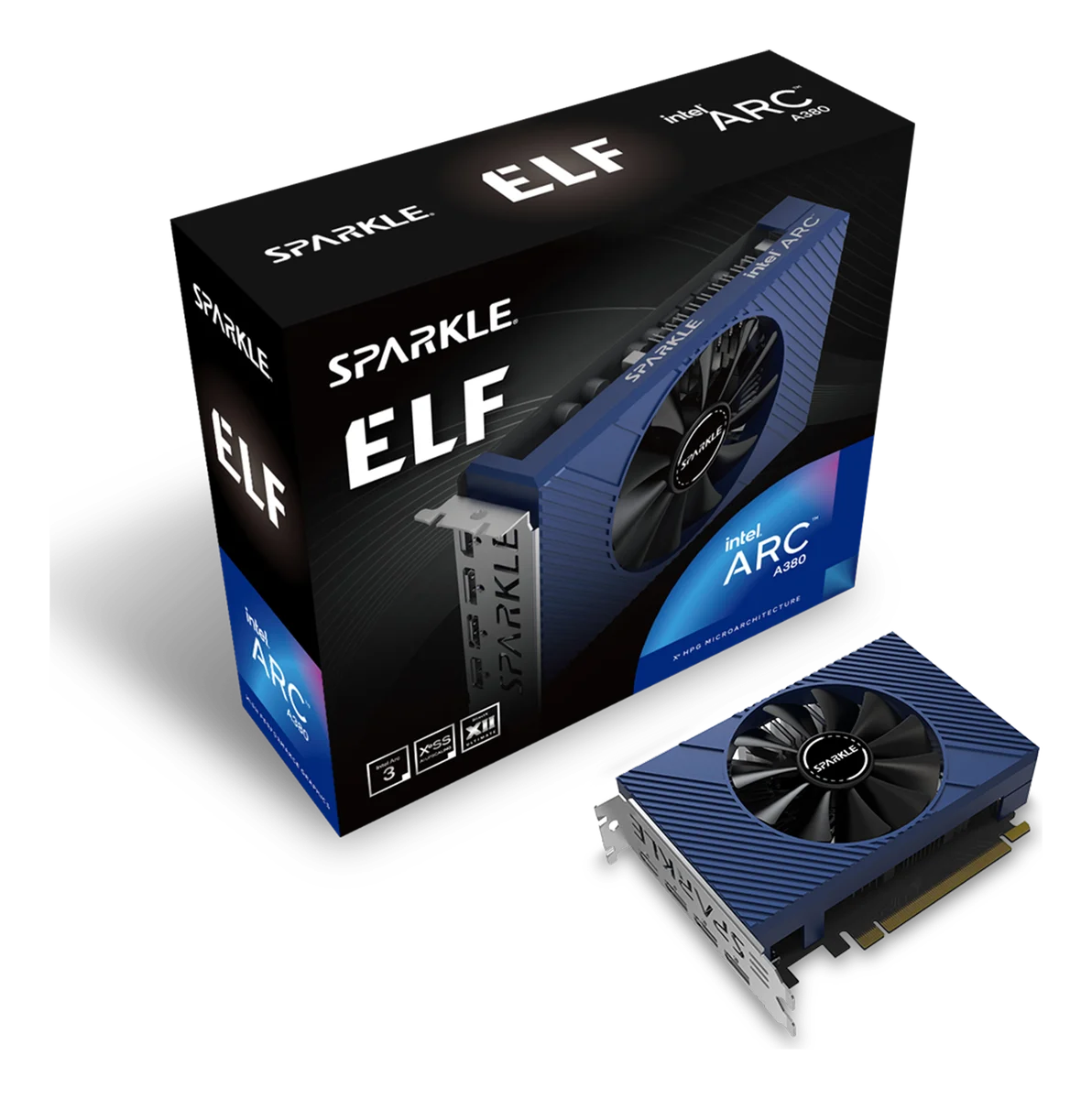
Its closest rivals on InnoReviews are AMD Radeon RX 6500 XT, AMD Radeon RX 480, Intel Arc A380 — open the comparison pages for a spec-by-spec breakdown.