NVIDIA
NVIDIA TITAN RTX
The NVIDIA TITAN RTX is a 2018 Turing-based desktop graphics card built around the full TU102 GPU with 4,608 CUDA cores and 24 GB of GDDR6. It is aimed at creators, researchers and enthusiasts who need large memory and RTX ray tracing hardware.
Pros
- Full TU102 GPU with 4,608 CUDA cores, 72 RT cores and 576 Tensor cores
- 24 GB of GDDR6 on a 384-bit bus with up to 672 GB/s of bandwidth
- Hardware ray tracing and DLSS support
- NVLink bridge support to pair two cards and reach 48 GB of combined memory
Cons
- Launch price of $2,499 is very high
- 280 W TDP and two 8-pin power connectors require a strong power supply
- Turing generation, so it lacks the newer features of later RTX cards
Below average
Computed from specs & benchmarks via our public methodology.
Full specifications
Everything we track for the NVIDIA TITAN RTX
General
- Announced
- 2018
- Architecture
- Turing
- Process
- 12 nm
- TDP
- 280 W
- Power connector
- 2x 8-pin
Cores & Clocks
- Shading units
- 4,608
- RT cores
- 72
- Tensor / AI cores
- 576
- Base clock
- 1,350 MHz
- Boost clock
- 1,770 MHz
Memory
- VRAM
- 24 GB
- VRAM type
- GDDR6
- Bus width
- 384 bit
- Bandwidth
- 672 GB/s
Benchmarks
- 3DMark Time Spy
- 15,019Top 34%
- 3DMark Speed Way
- 3,265Top 49%
- PassMark G3D
- 19,825Top 43%
Features
- Upscaling
- DLSS
Quick answers
Is the NVIDIA TITAN RTX good in 2026?
The NVIDIA TITAN RTX earns an Inno Score of 48.6/100 (“Below average”) based on its specs and benchmark results. The NVIDIA TITAN RTX is a 2018 Turing-based desktop graphics card built around the full TU102 GPU with 4,608 CUDA cores and 24 GB of GDDR6. It is aimed at creators, researchers and enthusiasts who need large memory and RTX ray tracing hardware.
What are the key specs of the NVIDIA TITAN RTX?
VRAM: 24 GB · Boost clock: 1,770 MHz · TDP: 280 W · 3DMark Time Spy: 15,019
What are the closest alternatives to the NVIDIA TITAN RTX?
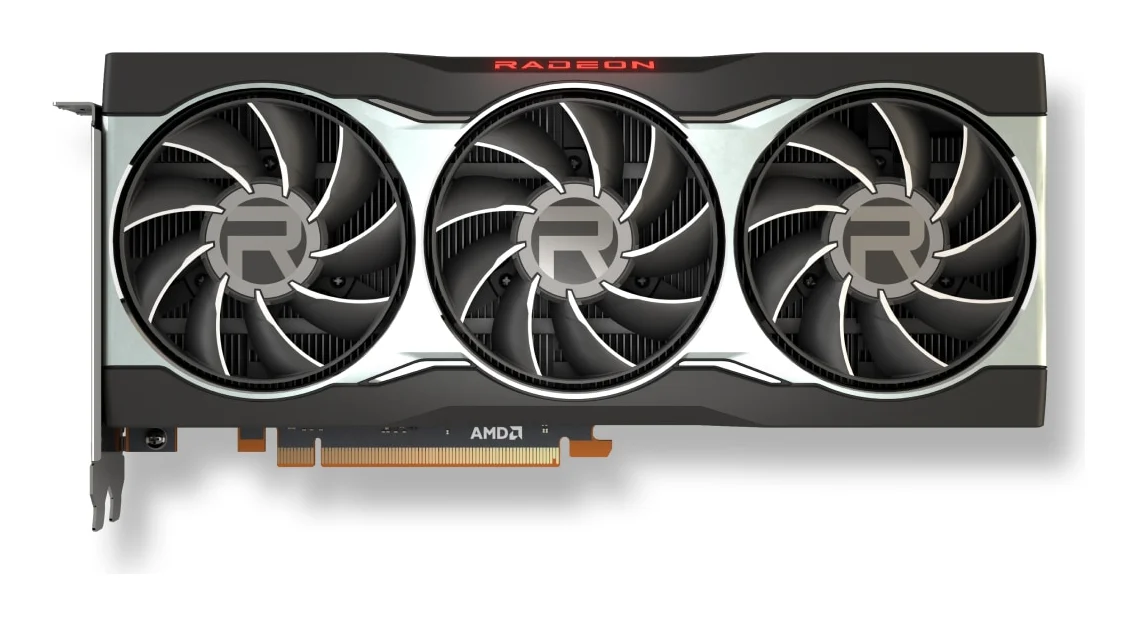
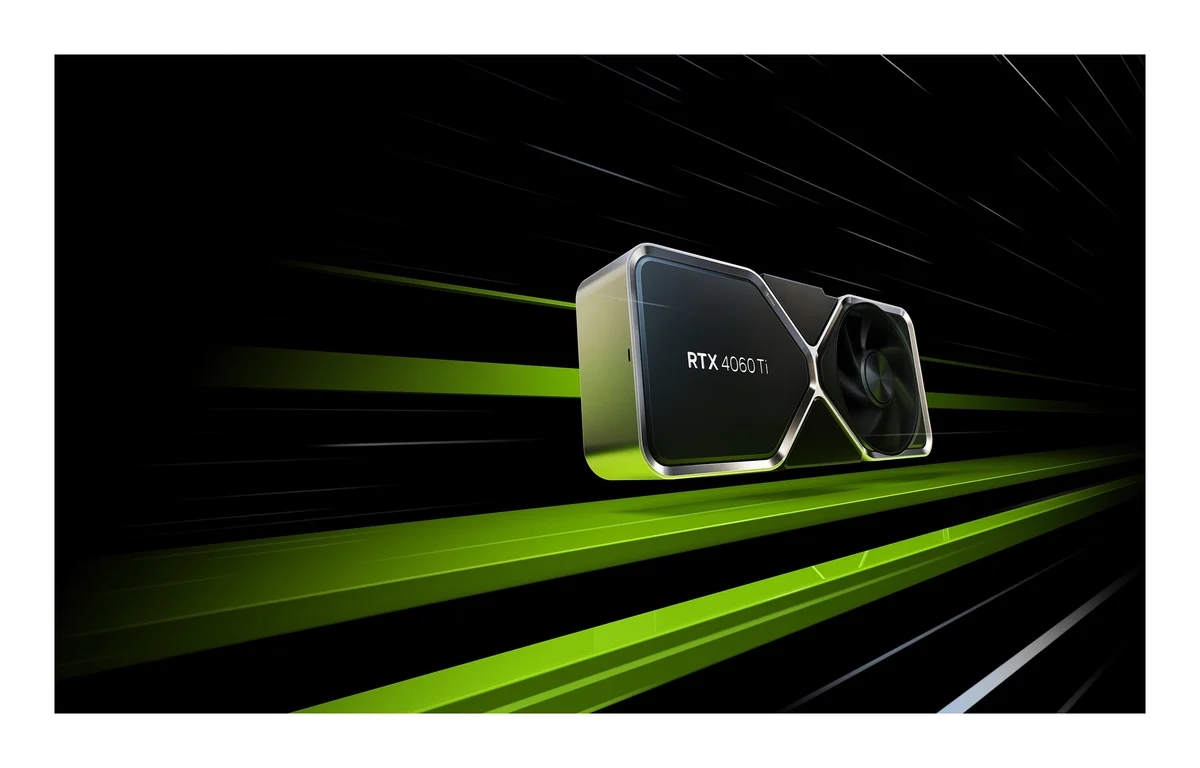
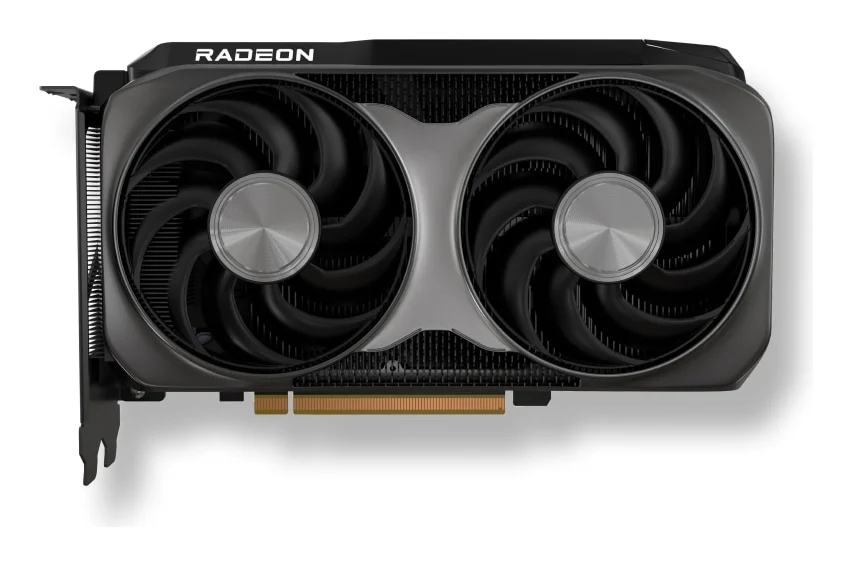
Its closest rivals on InnoReviews are AMD Radeon RX 6800, NVIDIA GeForce RTX 4060 Ti 16GB, AMD Radeon RX 9060 XT 16GB — open the comparison pages for a spec-by-spec breakdown.